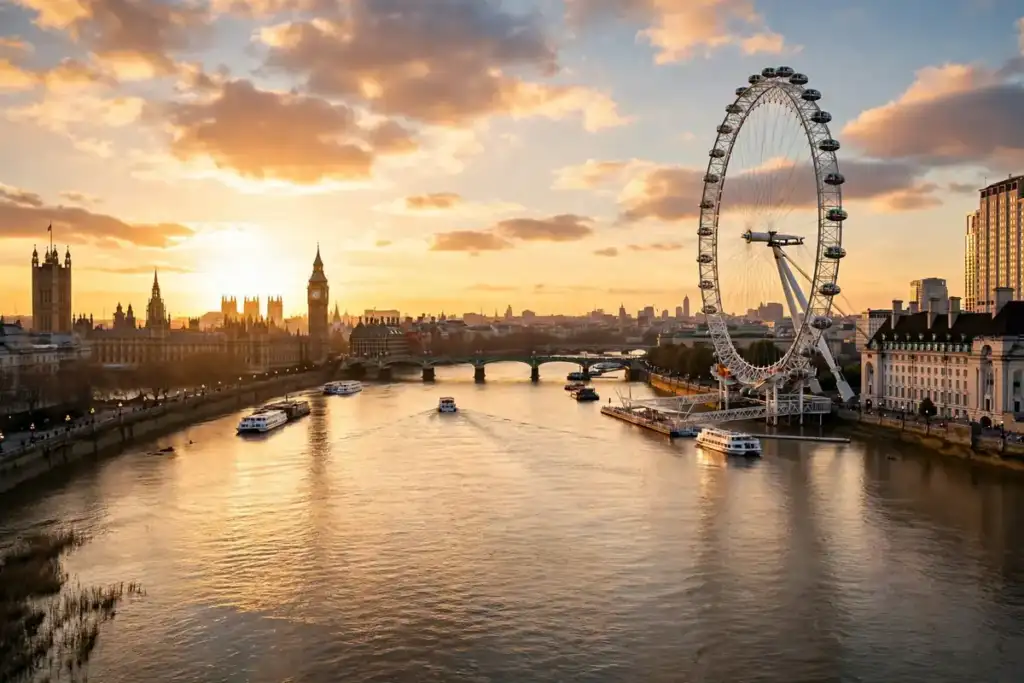
London can feel enormous on a first visit, and that is part of its charm. One street gives you Roman history, the next gives you a world-famous theatre, and the one after that gives you a quiet park where office workers eat lunch on the grass. The trick is not to try to see everything. Instead, pick a handful of classic experiences, group them by area, and leave room for wandering, because some of the best moments in London happen between the planned stops. This guide brings together the sights, tastes and practical tips that help a first-time visitor feel confident from the first morning to the last evening.
Start with the Skyline: The London Eye and the Thames
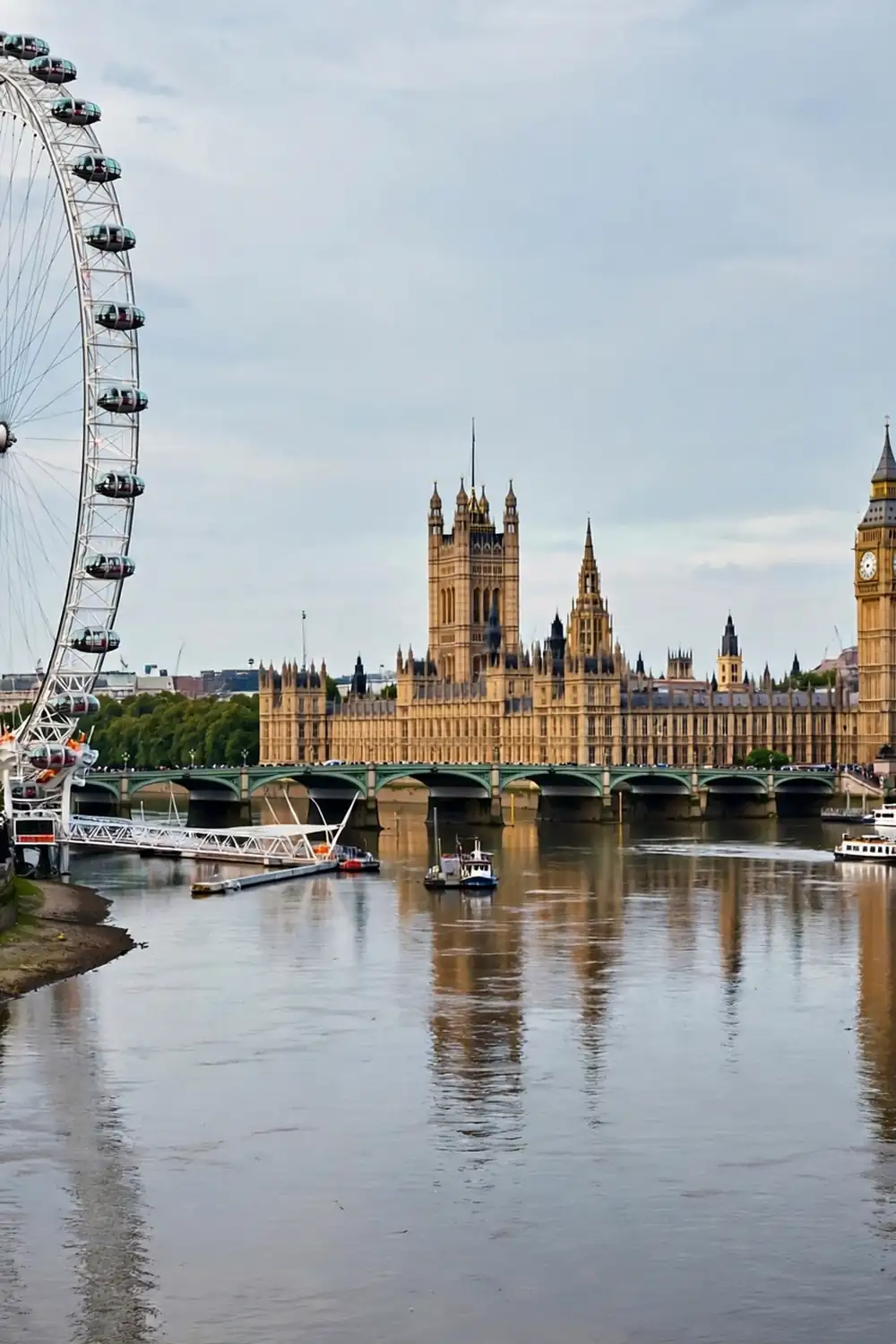
A slow turn on the London Eye is a gentle way to get your bearings. From the capsules you can trace the curve of the Thames, pick out the Houses of Parliament and Big Ben, and see how close together many of central London’s landmarks really are. On a clear day the view stretches a long way in every direction, but even on a grey day the river, the bridges and the busy boats below make the ride worthwhile. It is especially good early in a trip, because afterwards you will recognise places from above when you meet them at street level.
Once you are back on the ground, the river itself is the next logical step. A cruise along the Thames gives you a completely different angle on the city, with live or recorded commentary explaining the buildings as you pass them. You will glide past riverside wharves, grand hotels, historic bridges and modern towers, and you can simply sit back and watch London unfold without worrying about directions. Short cruises between the main piers are easy to fit into a day, while longer journeys east towards Greenwich or west towards Richmond make a pleasant half-day outing. If you are still shaping the shape of your trip, our guide on how to visit London in 2025 can help you decide how much to pack into each day.
Around the South Bank near the Eye you will also find several family attractions, including an aquarium and themed experiences that are popular with children. They are worth considering if you are travelling with younger visitors, but they are not essential for every first-timer. If you do want to combine them, look for combined tickets and check the official sites before you go, since opening times and ticket rules can change with the season.
Westminster, Buckingham Palace and the Royal Parks
No first visit feels complete without Westminster. The Palace of Westminster, with its famous clock tower, stands beside Westminster Abbey and the river, and the whole area rewards a slow walk rather than a quick photograph. Cross Westminster Bridge for the classic view back towards the palace, then follow the river path or head inland towards Parliament Square, where statues of historic figures line the green. Westminster Abbey itself is one of the most significant churches in Britain, and its interior, with royal tombs, memorials and centuries of craftsmanship, deserves unhurried time if you choose to go inside.
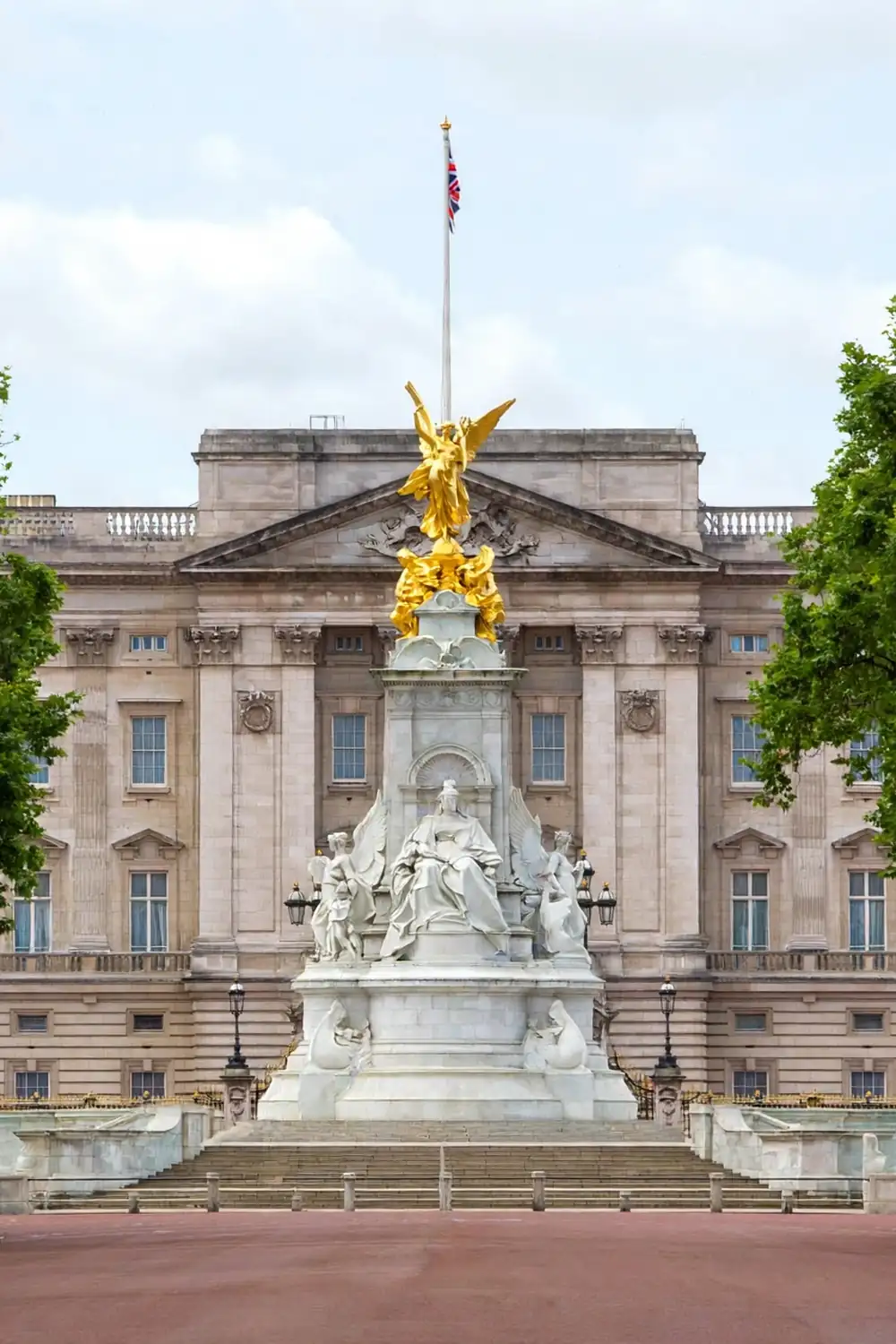
From Westminster it is a short, pleasant walk through St James’s Park to Buckingham Palace. The palace frontage, the Victoria Memorial and the wide ceremonial road known as the Mall make a fine sight in themselves, even if you do not time your visit for the Changing of the Guard. That ceremony draws large crowds, so if you do want to watch it, arrive early, check the official schedule before you go, and be prepared for a busy pavement. If you would rather enjoy the area in peace, a weekday morning outside ceremony times can feel much calmer.
Green Park, just beside the palace, is the perfect pause between sights. Unlike some of London’s more formal gardens, it is largely open lawns and mature trees, which makes it ideal for a rest, a picnic or simply sitting on a bench and watching the city slow down for a moment. From there you can continue to Trafalgar Square, with its fountains, lions and Nelson’s Column, and on to the National Gallery on the square’s northern side. Downing Street, the famous home of the Prime Minister, is nearby too, although you can only view its gated entrance from Whitehall, so treat it as a brief photo stop on a wider Westminster walk rather than a destination in its own right.
Museums That Cost Nothing to Enter
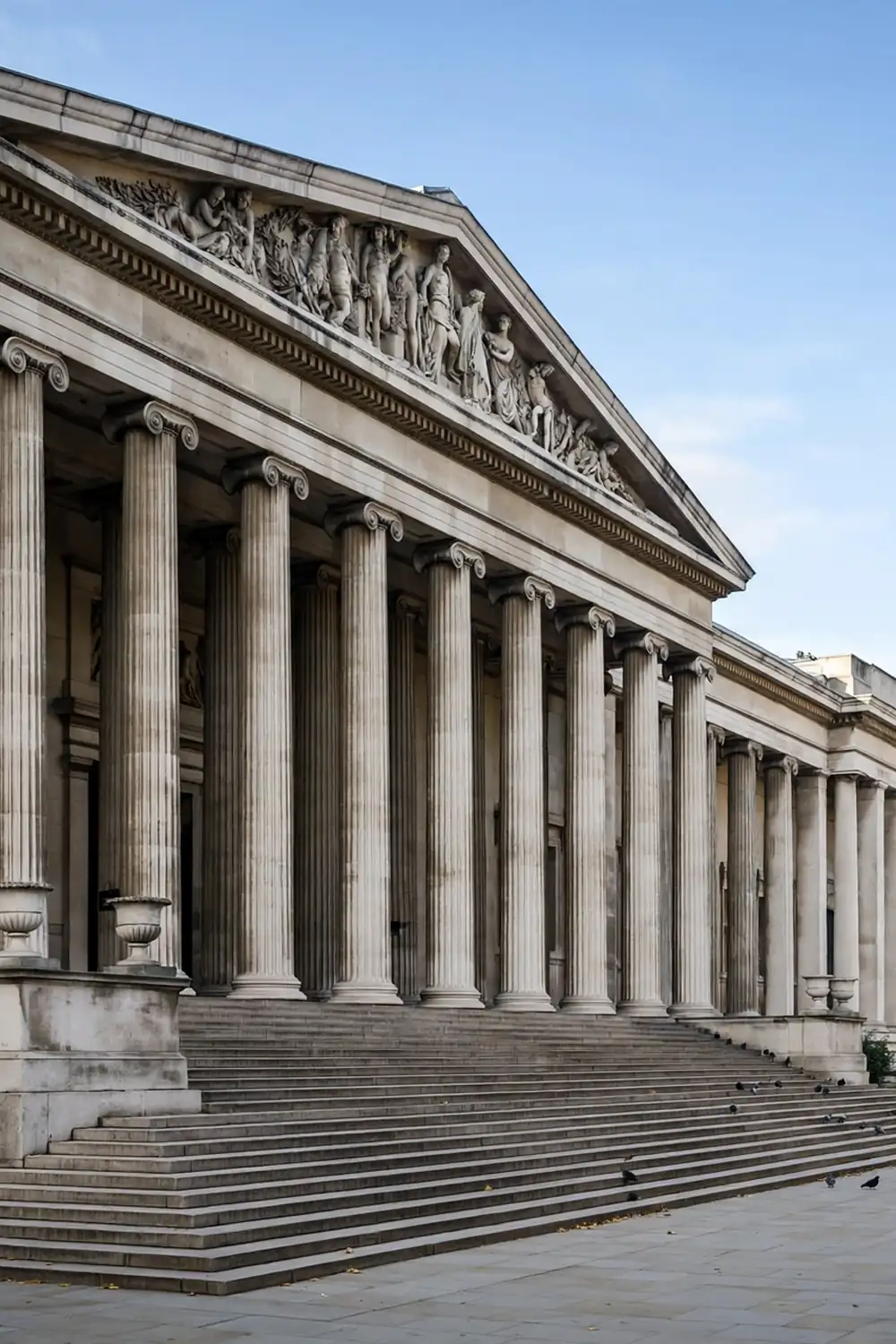
One of London’s great gifts to first-time visitors is that many of its major museums and galleries are free to enter. The British Museum, in Bloomsbury, holds an extraordinary collection spanning human history, from Egyptian mummies and the Rosetta Stone to Greek sculpture and objects from every continent. You could spend a whole day there and still only scratch the surface, so it helps to choose two or three galleries that interest you most and save the rest for a return visit.
The National Gallery, on Trafalgar Square, offers a different kind of pleasure. Its collection covers Western European painting from the thirteenth to the early twentieth century, including works by Van Gogh, Turner, Vermeer and many others. Even visitors who do not consider themselves art lovers often find themselves drawn into a single room or a single painting, and the gallery’s free entry means you can pop in for an hour without feeling you must see everything. Special exhibitions sometimes carry a charge, so check before you go if a particular show has caught your eye.
Beyond these two, London offers free national museums for science, natural history, design and modern art, as well as smaller galleries and historic houses across the city. The practical point is simple: you do not need a large sightseeing budget to fill a first trip with world-class culture. Just remember that free entry does not always mean no booking, especially at busy times, so check each museum’s official site for any timed-entry advice before you travel.
West End Evenings: Theatre, Music and Leicester Square
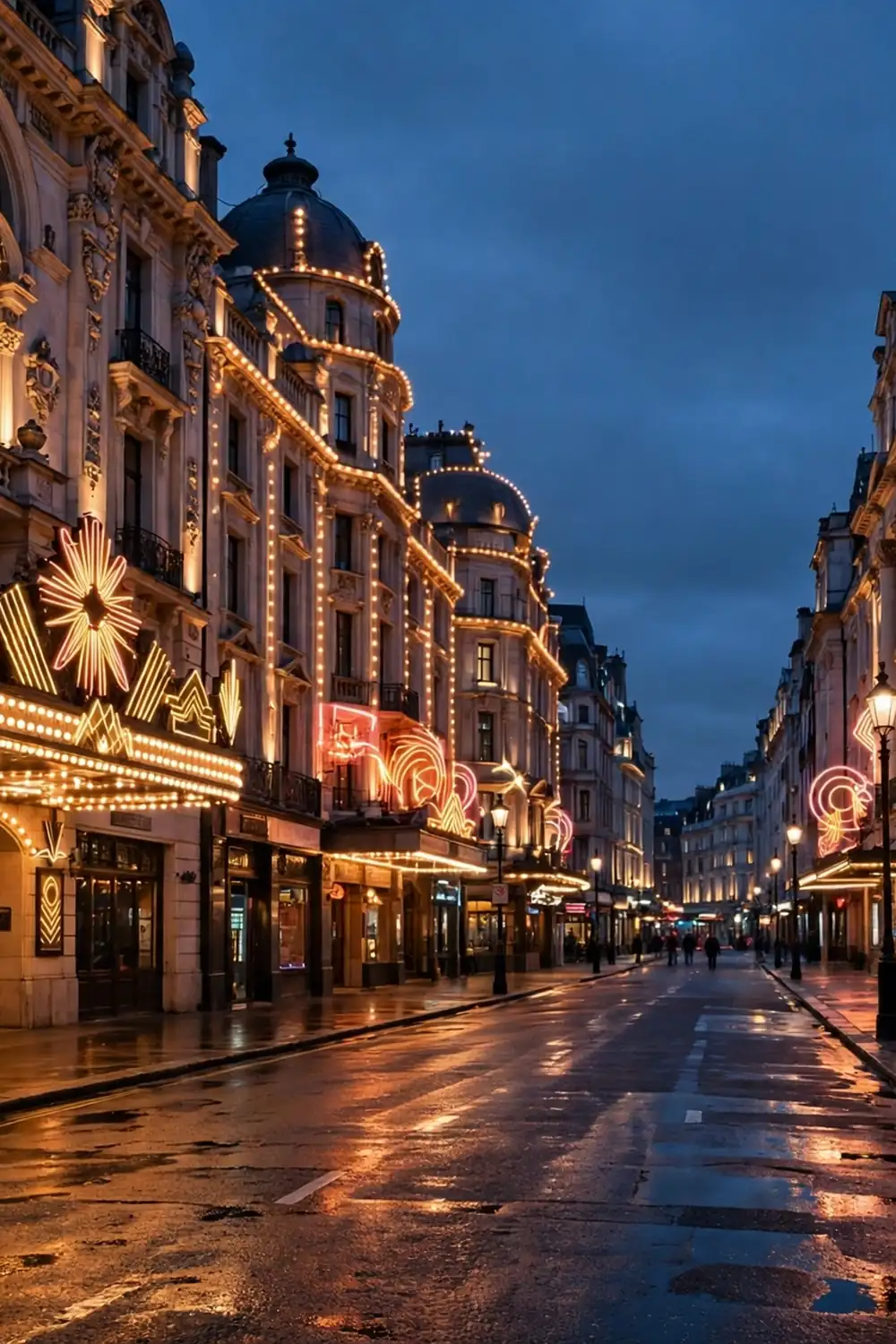
In the evening, London’s West End comes alive, and seeing a show is one of the most memorable things a first-timer can do. The district around Shaftesbury Avenue, Covent Garden and Leicester Square is packed with theatres staging long-running musicals, new plays, comedy and dance. Tickets for the most popular shows can be expensive, particularly for the best seats on a Saturday night, but there are sensible ways to keep costs down. Booking ahead for a weekday performance often helps, and the official last-minute ticket booth in Leicester Square sells same-day discounted tickets for a range of shows. The choice there depends on what is available on the day, which suits flexible visitors who are happy to let the evening surprise them.
If theatre is not your taste, London’s music scene is just as rich. On any given night the city hosts everything from arena concerts and classical recitals to small jazz clubs and pub gigs. A quick search for listings by date before you travel will show what is on during your stay, and you may be surprised by how many well-known acts pass through the capital. Leicester Square itself is worth a short stroll in the evening, when cinema premieres, bright lights and street performers give it a buzzing atmosphere, even though the square is mainly a meeting point and transport hub rather than a sight in itself. Its central position makes it a useful landmark: from here, Chinatown, Soho and Covent Garden are all within easy walking distance.
Eating and Drinking Like a Londoner
Food is a big part of a first visit, and London does traditional British dishes particularly well. A proper pub pie, for example, is a warming, satisfying meal, especially a steak and ale pie served with mash and gravy. Fish and chips remains a classic too, best eaten fresh and, if the weather allows, taken away and enjoyed by the river or in a park. Borough Market and other food markets are excellent places to sample a range of dishes in one visit, from artisan bread and cheese to street food from around the world.
Chinatown, just off Leicester Square, is another rewarding stop. Its lantern-lit streets are lined with restaurants serving dim sum, noodles, hotpots and roast meats, and the area is at its liveliest in the evening. As with any popular dining district, it pays to look at recent reviews and menus before choosing a restaurant, since quality can vary from place to place. A short walk away, Soho offers a denser mix of small restaurants, cafes and bars, while Covent Garden combines shopping, street performance and dining around its historic piazza and market buildings.
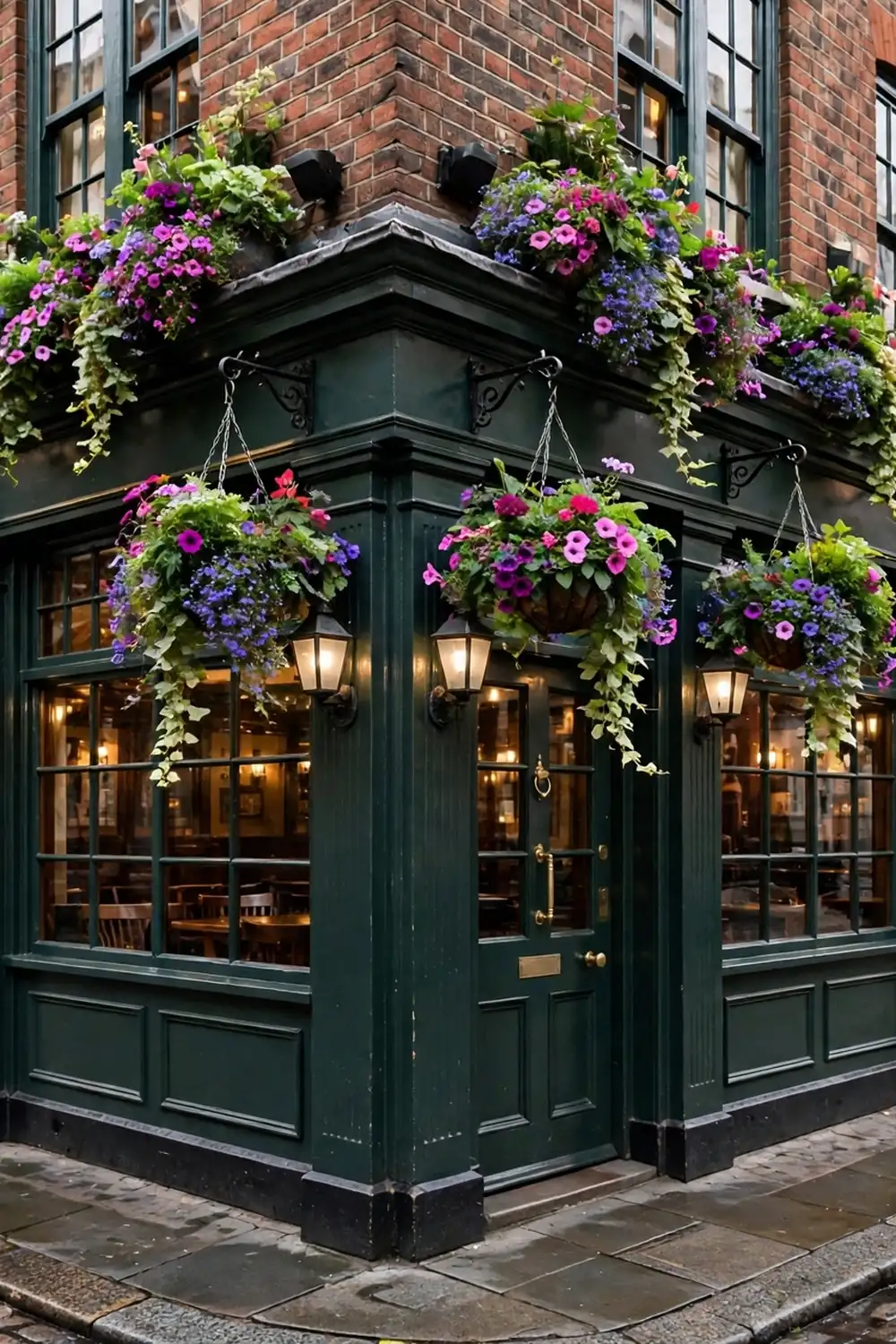
Finally, make time for a traditional pub. A British pub is as much about atmosphere as about drink: wood panelling, a roaring fire in winter, a garden or pavement tables in summer, and a menu of hearty food. Order at the bar unless table service is offered, take your time, and treat it as a restful break between sights rather than a rushed stop. Many pubs also serve excellent Sunday roasts, which make a fitting end to a weekend in the capital.
Getting Around and Where to Stay
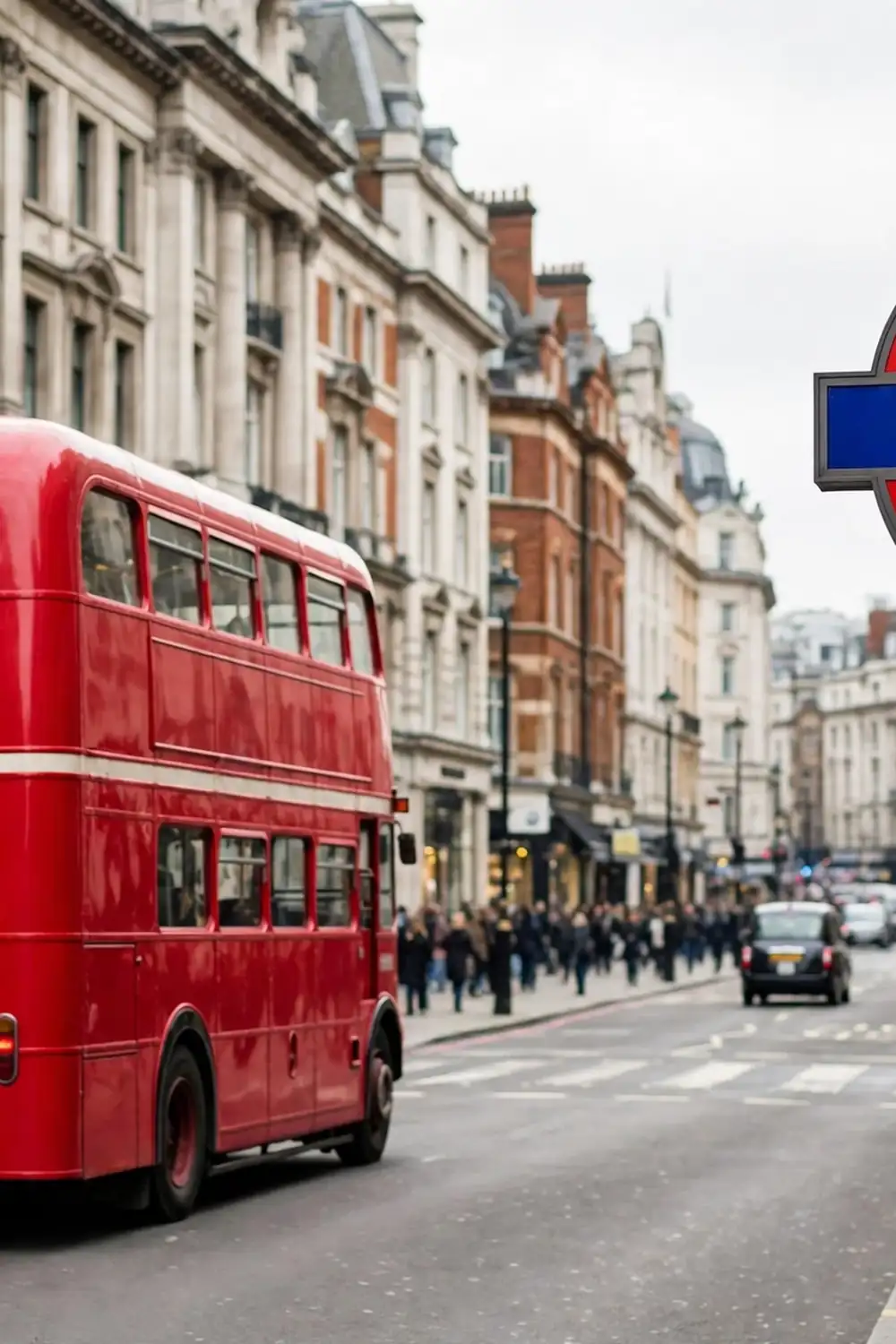
London’s Underground, known to everyone as the Tube, is the fastest way to cross the city, and it is much easier than it first looks. Each line has its own colour, stations are clearly signed, and contactless bank cards and mobile payments generally work for adult fares in the central zones, so most visitors do not need a separate travel card. Buses are slower but give you a free sightseeing tour from the top deck, and walking is often the best option in central London, where many sights are closer together than the Tube map suggests.
For a first visit, staying centrally usually pays off, even if rooms cost more than they would further out. Areas such as Covent Garden, Soho, Westminster, South Bank and Bloomsbury put you within walking distance of many sights and make it easy to return to your hotel for a rest in the afternoon. Central hotels vary enormously in price and character, from grand historic properties to compact modern rooms, so compare location, room size and breakfast arrangements carefully before booking. If you are planning a longer stay, our guide to spend 3 days in London as a first-time visitor shows how to balance famous sights with quieter neighbourhoods over several days.
A few practical habits will make the whole trip smoother. Carry a portable phone charger, since maps and tickets drain batteries quickly, wear comfortable shoes for cobbles and long walks, and keep a light waterproof layer in your bag whatever the forecast says. London weather can change within an hour, and a short shower need not spoil a day if you are prepared for it.
A Free View to Finish With
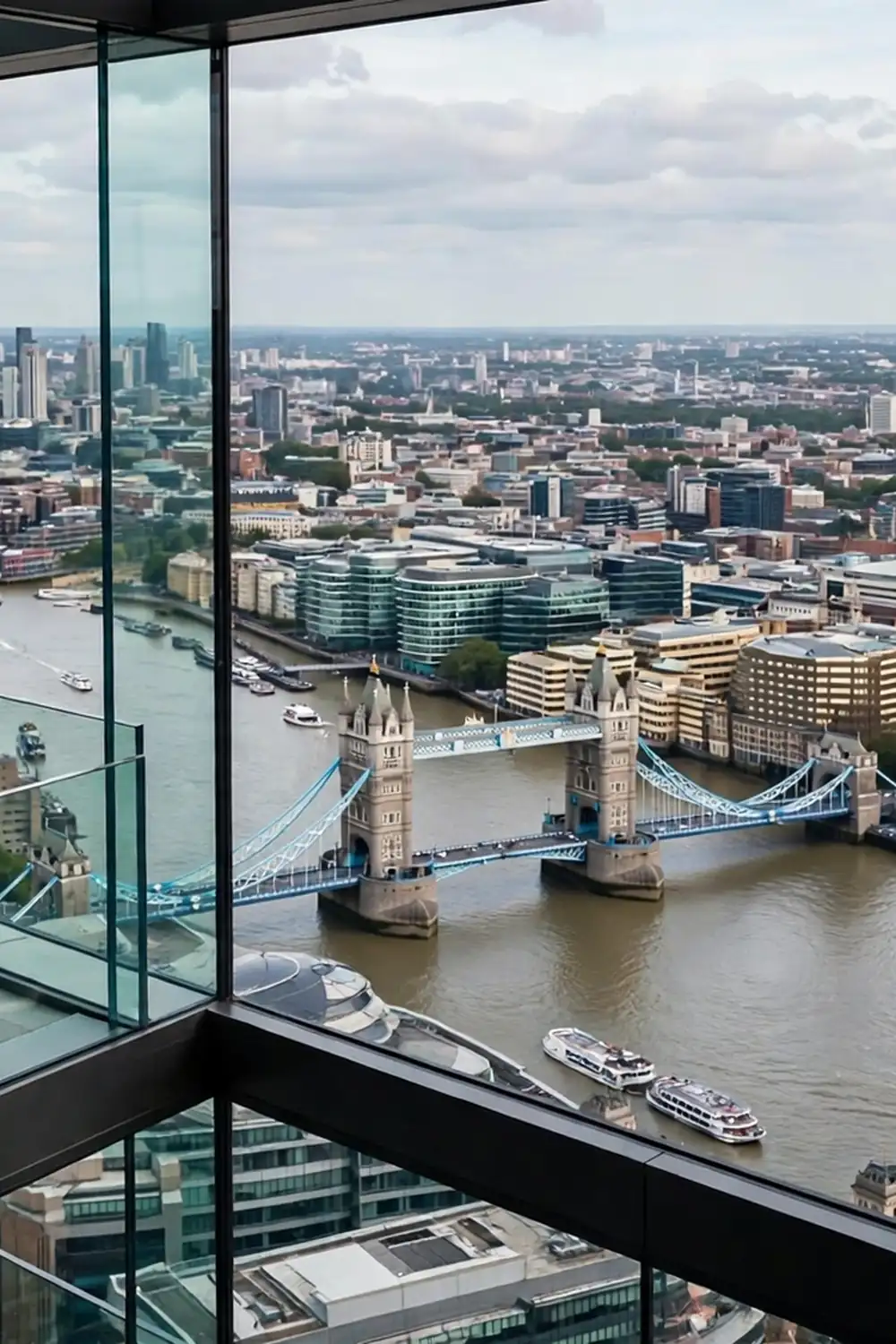
For a memorable final experience, seek out one of London’s free viewpoints. The Sky Garden, high above the City, offers panoramic views across the Thames, the Tower of London and the wider skyline from inside a landscaped glass dome, and entry to its public viewing areas is free when booked in advance. It makes a wonderful contrast to the street-level sights of Westminster and the West End, because from up there you can see how the old and new city fit together. Book ahead, arrive in good time for security checks, and check the official site before you go for current opening hours and ticket rules.
Other free viewpoints include the garden at 120 Fenchurch Street and the viewing terrace at the Tate Modern, each offering a different angle on the river and the skyline. Whichever you choose, try to go when the light is kind, whether that is a crisp morning or the golden hour before sunset. If you want to compare the options before deciding, our roundup of the best free view of London sets out the strengths of each spot.
Good to Know
- Group sights by area: Westminster, the West End and the South Bank each make a natural half-day or full-day walk.
- Many major museums are free, but always check the official site before you go for booking advice, opening hours and special exhibitions.
- Book popular attractions, theatre tickets and free viewpoints in advance where booking is available, especially for weekends.
- Wear comfortable shoes and carry a light waterproof layer; London rewards walking and the weather can change quickly.
- Use contactless payment on the Tube and buses where eligible, and walk between nearby central sights whenever you can.
FAQ
How many days do I need for a first trip to London?
Three full days give you a comfortable first taste, covering Westminster, a museum or two, a West End evening and a river trip, with time for neighbourhood wandering. Two days can still work if you prioritise ruthlessly, while four or five days let you add day trips and quieter areas without rushing.
What is the best area to stay in for a first visit?
Central areas such as Covent Garden, Soho, Westminster and Bloomsbury are the most convenient for first-timers, because many sights are within walking distance and transport links are excellent. Staying centrally usually costs more, but it saves time and makes afternoon breaks much easier.
Are London’s major museums really free?
Yes, entry to the permanent collections of many national museums and galleries, including the British Museum and the National Gallery, is free. Special exhibitions may charge, and some venues advise booking a timed entry slot at busy periods, so check the official site before you go.
Do I need to book the London Eye and other attractions in advance?
Booking in advance is strongly recommended for the most popular attractions, especially at weekends and in school holidays. It usually secures your preferred time and can sometimes save money compared with buying on the day, but always check the official ticket rules first.
Is the Tube difficult for a first-time visitor?
Not at all. The Tube map is colour-coded by line, stations are well signed, and contactless payment generally covers adult travel in the central zones. If you are unsure, station staff can help, and walking between nearby central stations is often just as quick.
What should I do if it rains during my visit?
Rain need not spoil a London trip. Head indoors to a free museum or gallery, enjoy a long pub lunch, see a matinee show, or visit a covered market. Many viewpoints are also under cover, so a wet day can still offer wonderful views across the city.





4 thoughts on “First Time in London: A First-Timer’s Guide to the Capital’s Classics”