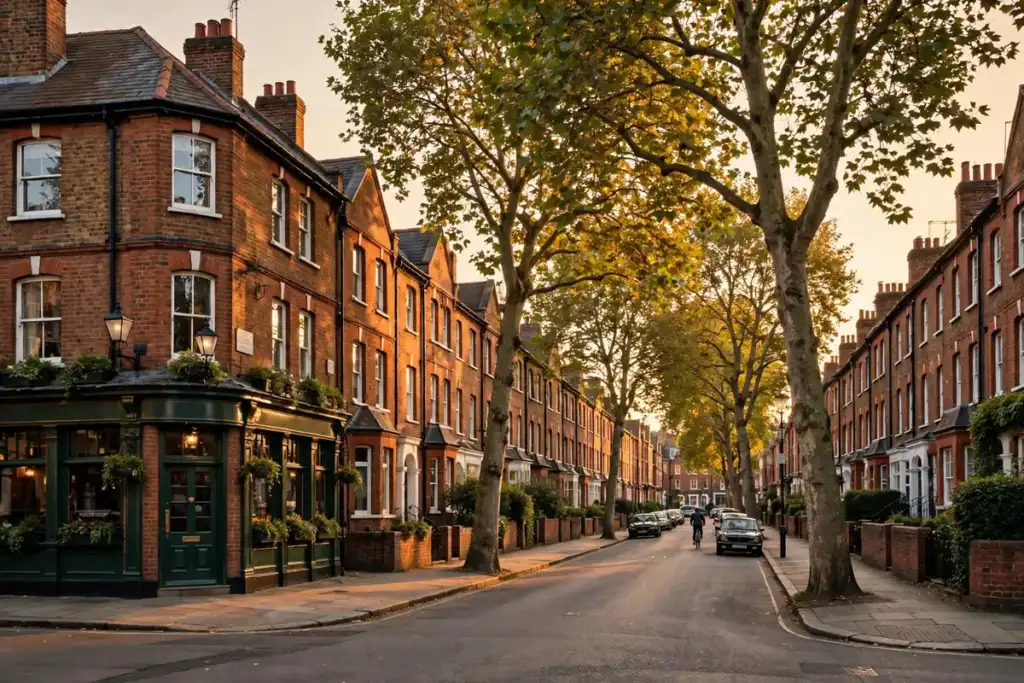
London rewards the visitor who slows down. The city is at its best not when you are racing between famous landmarks with a phone in one hand and a map in the other, but when you are sitting in a neighbourhood café watching the morning unfold, wandering a side street you had not planned to find, or chatting with a market trader about what is in season. To experience London like a local is less about secret locations and more about a different rhythm: fewer stops, longer stays, and a willingness to let one place lead you to the next.
That does not mean skipping the great sights. It means building your days around how Londoners actually live in this city — the walks they take, the pubs they return to, the markets they shop at on a Saturday, and the small courtesies that make shared spaces work. This guide will help you do exactly that, whether you are here for a long weekend or a full week, and whether you are staying in the centre or a little further out.
Start With a Neighbourhood, Not a Checklist
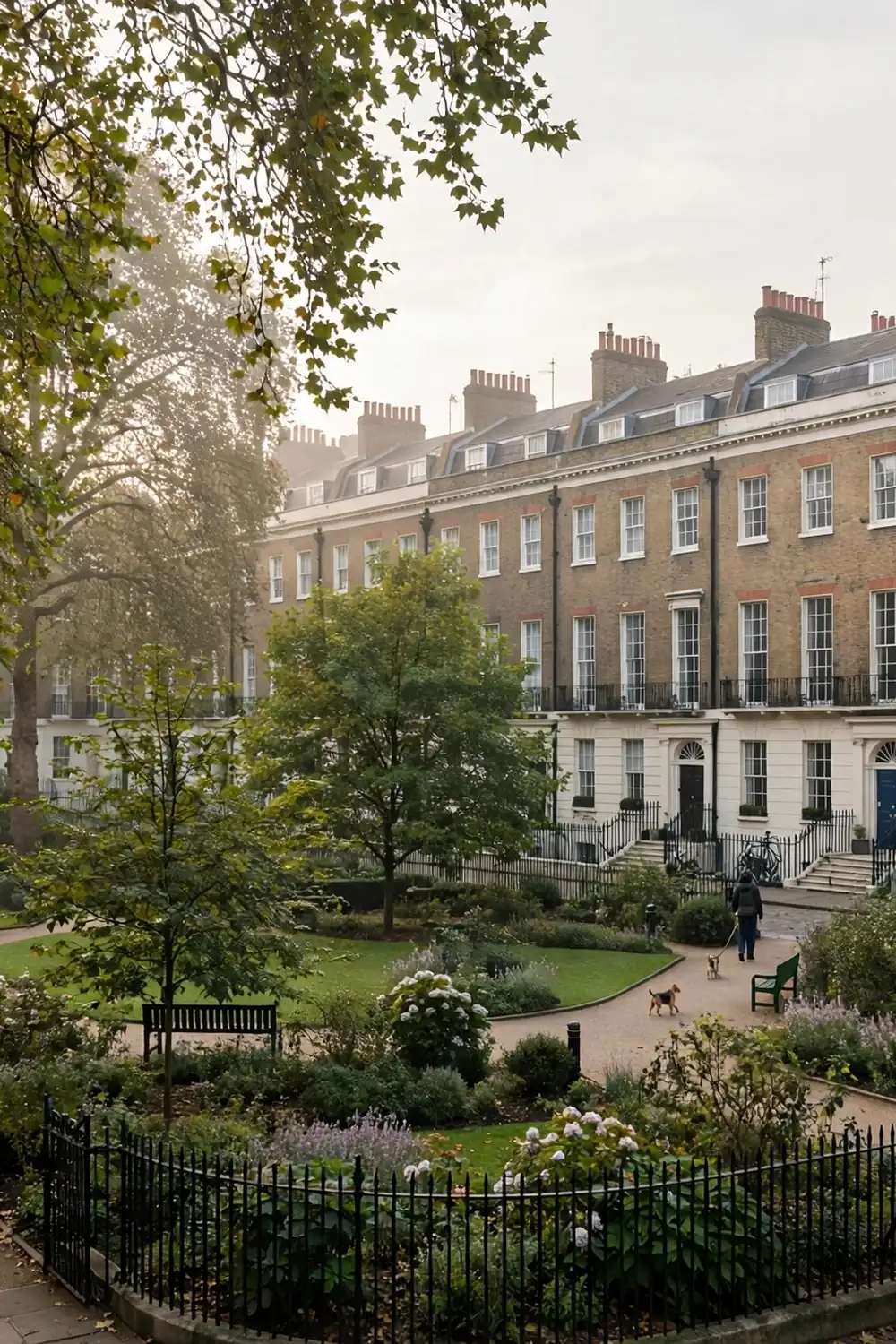
The single biggest difference between a tourist trip and a local-feeling trip is the base you choose and how you treat it. Visitors often stay near a station, sleep, and leave each morning for somewhere else. Londoners, by contrast, know their patch intimately: the best coffee within five minutes, the park that catches the evening sun, the bookshop that stays open late, the takeaway that is worth queuing for. If you pick one neighbourhood and learn it properly, the whole city starts to feel more familiar.
Choose a place with everyday life, not just hotels
Look for streets where people actually live, not only where visitors sleep. That usually means a high street with a greengrocer, a pharmacy, a bakery and a pub, rather than a parade of souvenir shops and chain restaurants. Areas such as Islington, Bermondsey, Greenwich, Hackney, Clapham and Marylebone all offer that mix in different ways, but the principle matters more than any single postcode. A neighbourhood with a morning buzz — parents on the school run, dog walkers in the park, shopkeepers opening shutters — will teach you more about London in an hour than a whole day spent in a queue.
When you arrive, resist the urge to plan every hour. Take one unhurried walk around your local streets first. Notice where the light falls, which cafés are full, and where people are sitting outside even when the weather is uncertain. That first wander becomes your anchor. From then on, you will have somewhere to return to for breakfast, somewhere to decompress in the afternoon, and somewhere that feels like yours, even if only for a few days.
Learn the local landmarks that are not on postcards
Every neighbourhood has its own small landmarks: a handsome square, a historic church, a canal towpath, a library, a lido, a farmers market, a mural on a railway arch. These are the places Londoners point out to friends, and they are often far more memorable than another photograph of a crowded attraction. Ask at your hotel, your host, or a local café what they love nearby. People in London are usually happy to share a favourite walk or a quiet viewpoint, especially if you show genuine curiosity rather than asking for a generic list.
If you are deciding where to begin, it helps to balance the famous sights with a neighbourhood base. Our guide to the best places to visit in London is a good starting point for the headline attractions, but treat it as background, not as a daily order of march. Pick one or two big sights per day at most, and let the rest of the day belong to the streets around you.
Stay put for breakfast and the evening
Two simple habits change the feel of a trip immediately. First, eat breakfast near where you are staying, at the same place if you can. By the second morning, the staff may recognise you, you will know what to order, and you will start to feel like a regular rather than a passer-by. Second, spend at least one evening in your own neighbourhood instead of travelling across town for dinner. A local pub, a small restaurant, or a walk to the nearest park at dusk gives you a sense of belonging that no itinerary can manufacture.
Walk, Wander and Use Transport Like a Londoner
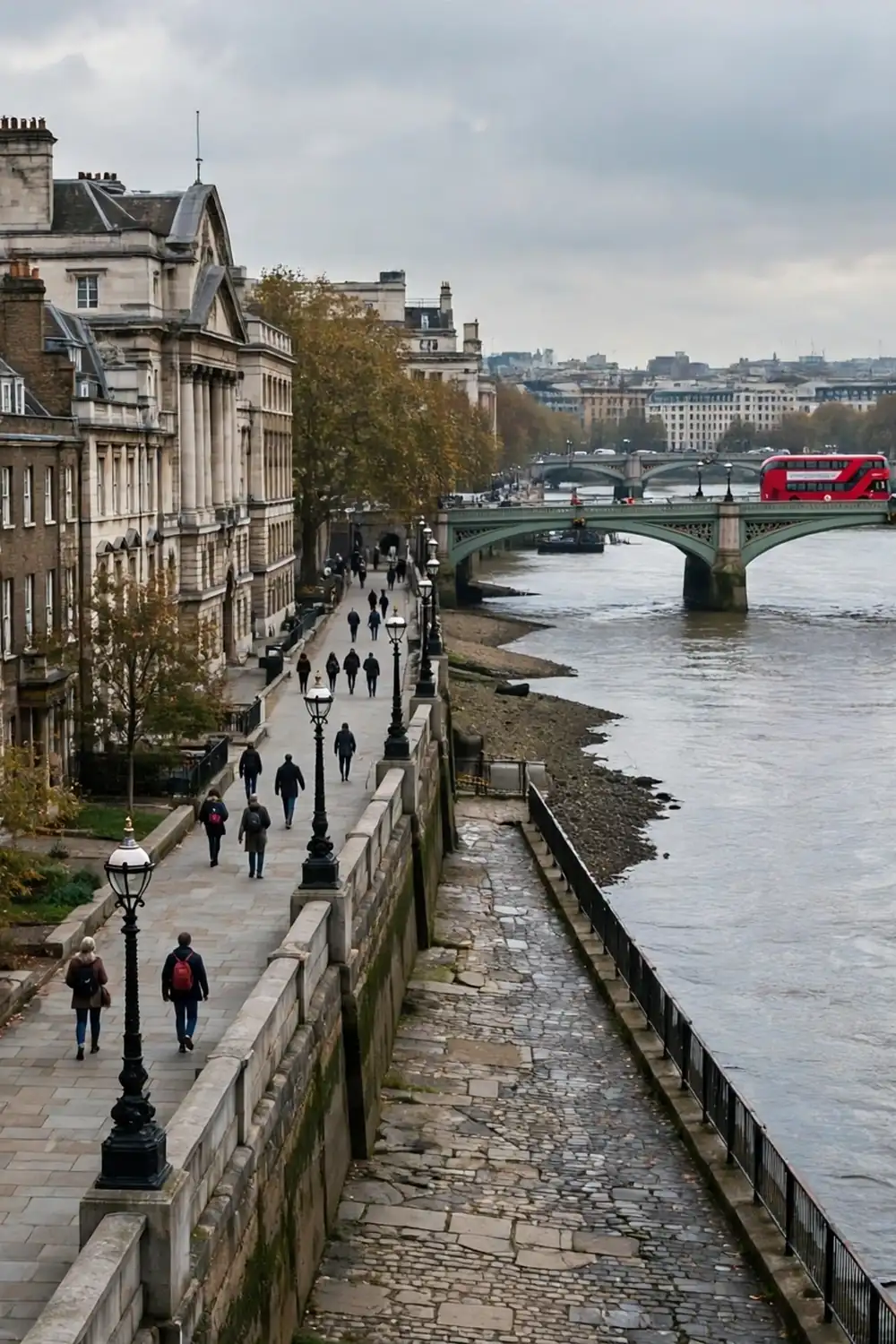
London is a walking city in a way that surprises many first-time visitors. Its centre is compact, its river threads the major districts together, and some of its best discoveries happen on foot between two places you already planned to visit. Londoners walk a great deal, partly because it is often quicker than waiting for a bus in traffic, and partly because walking is how you learn the city. A twenty-minute walk through back streets can reveal a garden square, a tiny museum, or a street market you would never have found from a train window.
Plan walks along the river, canals and parks
The Thames Path, the Regent’s Canal towpath, and the green chain of parks from Hyde Park to Richmond offer some of the most pleasant walking in the city. These routes are flat, well signed, and full of variety: houseboats and cafés along the canal, rowers and riverside pubs along the Thames, deer and open meadows further out. You do not need to walk an entire route. Pick a stretch of an hour or so, walk it slowly, and stop whenever something catches your eye. That is how locals use these paths — as part of a day out, not as a route to be completed.
Use the Tube and buses with confidence
Public transport is the great leveller in London. Everyone uses it, from students to chief executives, and learning its habits quickly makes you feel at home. The Underground is fastest for longer hops across the city, while buses are wonderful for shorter journeys because you actually see where you are going. Sit upstairs at the front of a double-decker if you can; it is one of the cheapest and most enjoyable ways to watch the city pass by.
A contactless bank card or a phone payment usually works for Tube and bus fares, but do check the official transport information before you travel, as rules and fare caps can change. Avoid travelling at the very peak of the morning and evening rush if your schedule allows it. Mid-morning and early afternoon trains are calmer, seats are easier to find, and you will enjoy the journey far more. If you are unsure which line to take, station staff and clear platform signs are genuinely helpful, and most Londoners will point you in the right direction if you ask politely.
Leave gaps in the day for wandering
The most local-feeling days are rarely the most packed. Leave an unplanned hour between major stops. Use it to follow an interesting street, sit in a churchyard garden, browse a charity shop, or simply watch the world from a bench. London rewards this kind of soft attention. A side street in Soho, a mews in Kensington, or a row of colourful houses in Notting Hill can become the memory you talk about long after the famous sights blur together. If you are visiting for the first time, our first-time in London guide can help you pace those first days so that wandering has room to breathe.
Eat, Drink and Shop Where Locals Actually Go
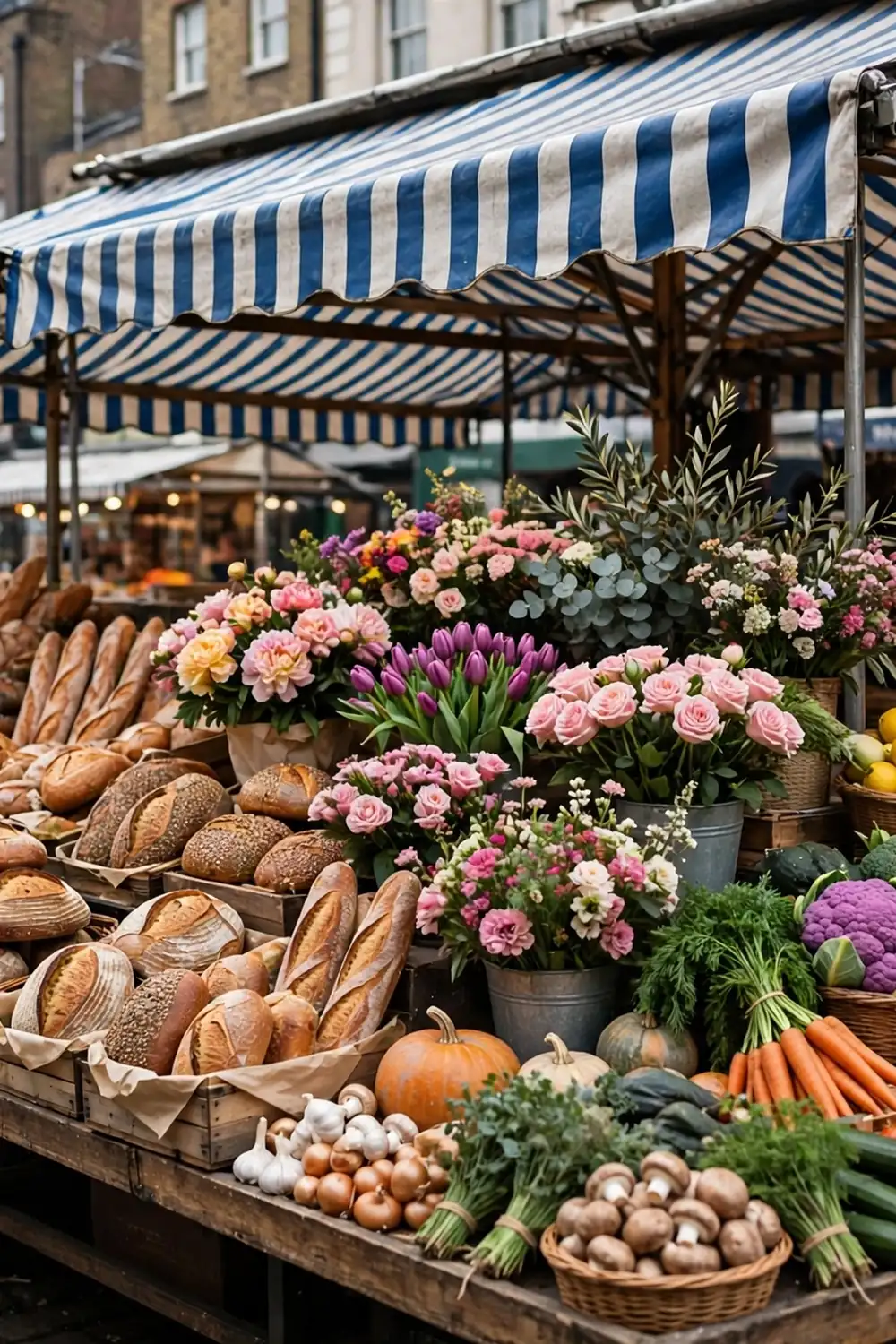
Food is one of the quickest ways into local life. London’s eating scene is gloriously mixed: a proper fry-up in a family-run café, a bowl of noodles in Soho, a Sunday roast in a neighbourhood pub, a pastry from a bakery queue, a curry on Brick Lane. The common thread is not a particular cuisine but a place that is loved by the people who live near it. If a restaurant is full of locals at lunchtime on a weekday, that is usually a better sign than any review or ranking.
Start the day like a local
Breakfast in London can be as simple or as elaborate as you like. Many locals grab coffee and a pastry on the way to work, while others linger over a full English breakfast at the weekend. Try both. On a weekday, join the morning queue at a good bakery or coffee shop and eat at the counter or on a bench outside. At the weekend, find a café that does brunch well, arrive a little early to beat the queue, and settle in with a newspaper or a book. Eating slowly in the morning sets a calmer tone for the whole day.
Understand the pub
The pub is London’s living room, and understanding a few basics will help you enjoy it. Order at the bar rather than waiting for table service, unless the pub clearly offers it. It is normal to buy a round for your group rather than paying separately each time. Many pubs serve excellent food, especially at lunchtime, and a quiet corner with a Sunday roast can be one of the most comforting meals of a trip. If you are unsure what to drink, ask the staff for a recommendation — they are used to it, and it often leads to a good conversation.
Shop on the high street and in independent stores
London’s high streets are worth exploring in their own right. Independent bookshops, record shops, florists, delicatessens and vintage stores give each neighbourhood its character, and browsing them is a pleasure in itself. You do not need to buy much. A small purchase — a book, a bunch of flowers, a bar of chocolate, a jar of chutney from a market stall — supports a local business and gives you a souvenir with a story. Avoid spending a whole day in a single shopping centre if you want a local feel; the high street, with its mix of old and new, tells you far more about a place.
Markets, Parks and Everyday London Rituals
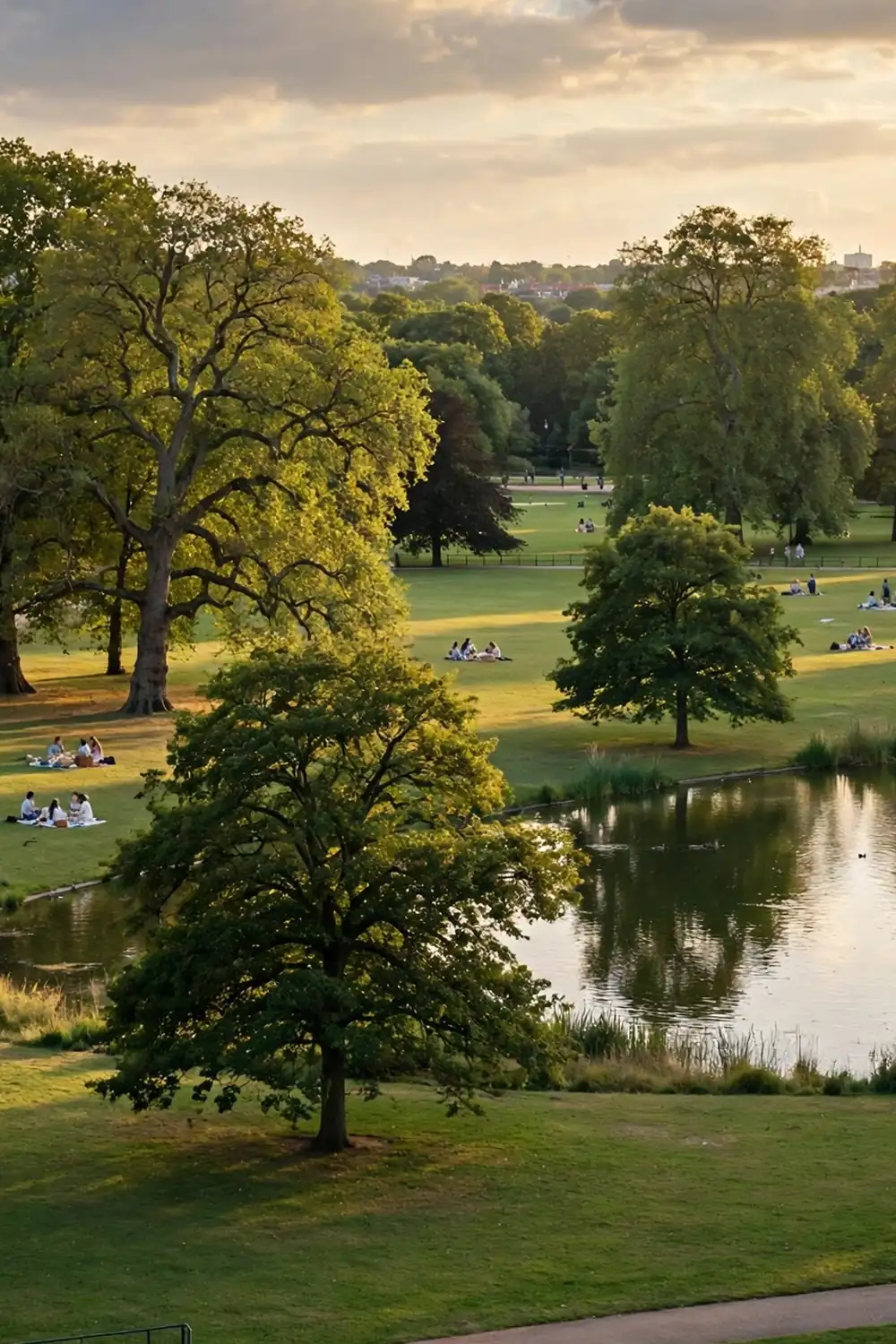
Markets and parks are where London’s daily life is most visible, and they are often free or inexpensive to enjoy. A Saturday morning at a food market, with samples to taste and traders to chat with, is a ritual for many Londoners. So is a walk in the park before work, a lunchtime sandwich on a bench, or a Sunday afternoon in a beer garden. These are not attractions with opening hours to rush through; they are places to linger.
Make time for green space
London is one of the greenest major cities in the world, and its parks are used in every season. In summer, they fill with picnics, runners, and families. In winter, a brisk walk through frosty grass or a visit to a heated greenhouse can be just as rewarding. Take a book, buy a coffee, and sit for a while. Watch how people use the space: dog walkers greeting each other by name, children learning to ride bikes, office workers eating lunch in the sun. You are not watching a performance; you are sharing a place, and that is the point.
Enjoy free culture the local way
Many of London’s major museums and galleries are free to enter, and locals use them the way other cities use libraries: popping in for an hour, revisiting a favourite room, or meeting a friend in the café. You do not need to see everything in one visit. Choose one exhibition or one wing, enjoy it properly, and leave before museum fatigue sets in. The same applies to churches, markets, and historic houses. A short, focused visit often leaves a stronger impression than a marathon day.
Local Etiquette: The Unwritten Rules That Help You Blend In
Blending in is not about pretending to be a Londoner. It is about small courtesies that make shared spaces work for everyone. London is a crowded city, and its unwritten rules are mostly about flow, patience, and respect for other people’s time and space. Learn a few, and your days will run more smoothly.
On transport and pavements
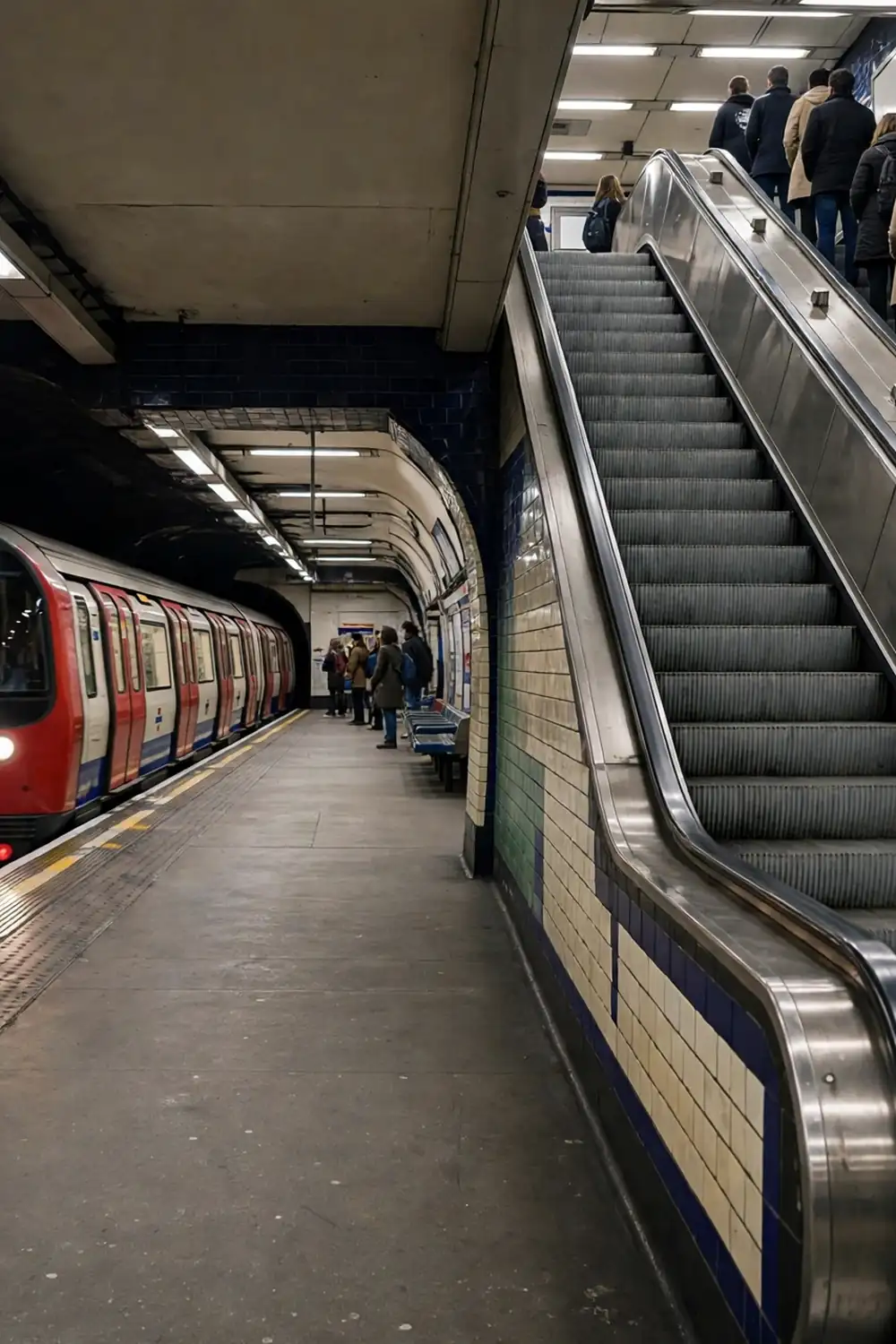
On the Underground, stand on the right of escalators and walk on the left, so that people in a hurry can pass. Let passengers off the train before you board, and move down inside the carriage rather than blocking the doorway. On pavements, keep to one side if you are walking slowly or stopping to look at a map, and avoid blocking a narrow pavement with a large group. These habits sound small, but in a city where millions of journeys happen each day, they keep everything moving and earn you quiet goodwill.
In pubs, cafés and shops
In cafés and shops, a brief greeting and a thank you go a long way. London service is often friendly but not effusive, and that is normal. In pubs, avoid saving large tables during busy times if you are a small group, and be mindful of noise late at night in residential areas. If you take photographs, be thoughtful about including strangers, especially children. And if you are unsure about a custom — whether to tip, how to queue, or where to stand — watch what others do for a moment, or simply ask. Most people would rather help than watch someone struggle in silence.
Good to Know
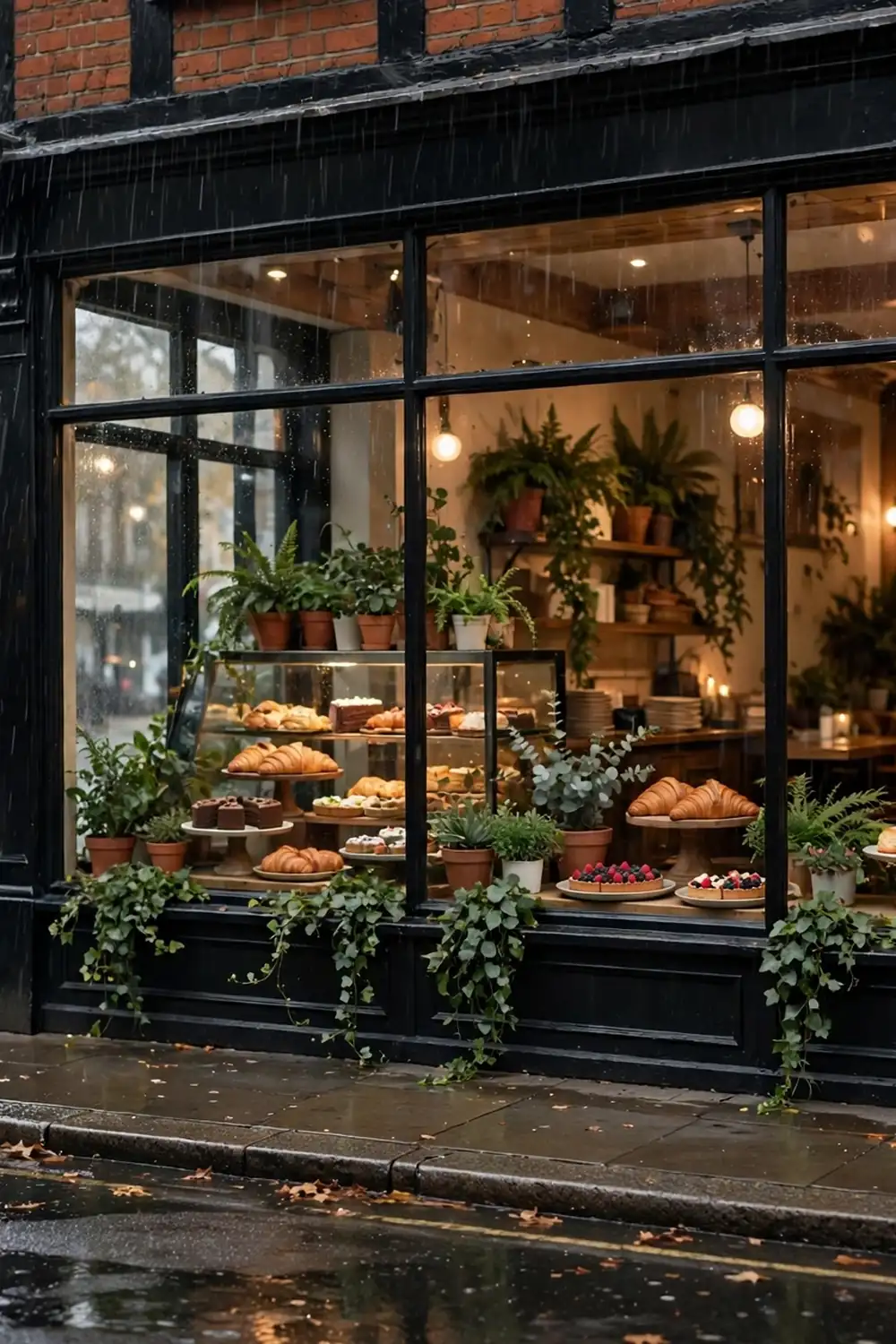
- Weather: London weather changes quickly. Pack a light waterproof layer and comfortable walking shoes, even in summer, and dress in layers you can add or remove.
- Money: Cards and phone payments are accepted almost everywhere, including on public transport. Carry a little cash for small market stalls, but you will rarely need large amounts.
- Checking details: Opening times, market days, and transport services can change for holidays, events, or engineering works. Check the official page for any place or service that matters to your day before you set out.
- Safety: London is generally safe for visitors, but keep an eye on your belongings in crowded places, use well-lit routes at night, and trust your instincts if a situation feels uncomfortable.
- Pacing: Aim for one major sight and one neighbourhood experience per day, with unplanned time in between. You will remember more, enjoy more, and return home less tired.
- Helpful reading: If you want to avoid common first-trip mistakes, our guide to 21 things I wish I knew before visiting London pairs well with this slower, local approach.
A local-feeling trip is not about doing less. It is about doing things with more attention: choosing a neighbourhood, walking its streets, eating where its residents eat, and giving yourself time to notice what makes it distinct. London will repay that attention many times over, with small moments — a perfect coffee, a quiet square, a market conversation, a sunset over the river — that no checklist can promise and no photograph quite captures.
FAQ
How many days do I need to experience London like a local?
Three to five days is a good minimum. That gives you time to settle into a neighbourhood, try a few local routines, and still see the major sights without rushing. A week is even better, as it allows for a slower pace, a day trip, or simply a day with no fixed plans at all.
Which neighbourhood should I stay in for a local experience?
Choose somewhere with everyday life: a high street, a park, a market, and good transport links. Islington, Greenwich, Bermondsey, Hackney, and Clapham all work well, but the best choice depends on your interests and budget. What matters most is that you stay put and get to know your patch, rather than moving every night.
Is it better to walk or use public transport in London?
Both. Walk for short distances and for exploring neighbourhoods, and use the Tube or bus for longer hops across the city. Buses are especially enjoyable because you can see the streets as you travel. Plan your days so that walking and transport complement each other, rather than choosing one for everything.
Do I need to book pubs, markets and museums in advance?
Most pubs, markets, and free museums do not need booking. Popular paid attractions, special exhibitions, and well-known restaurants at weekends are worth booking ahead, especially in peak season. For everything else, turning up and joining the queue is part of the local experience.
What should I pack to blend in and stay comfortable?
Comfortable walking shoes, a light waterproof jacket, and layers are the essentials. Londoners dress practically rather than formally for everyday outings, so smart-casual clothing in neutral colours will help you blend in. A small day bag for a water bottle, a map or phone, and a book is all you need for most days out.
Can I experience London like a local on a budget?
Yes. Many of the best local experiences are free or inexpensive: walking along the river or canals, exploring parks and markets, visiting free museums, and enjoying a coffee in a neighbourhood café. Save your budget for one or two special meals or paid attractions, and let the everyday pleasures of the city fill the rest of your days.