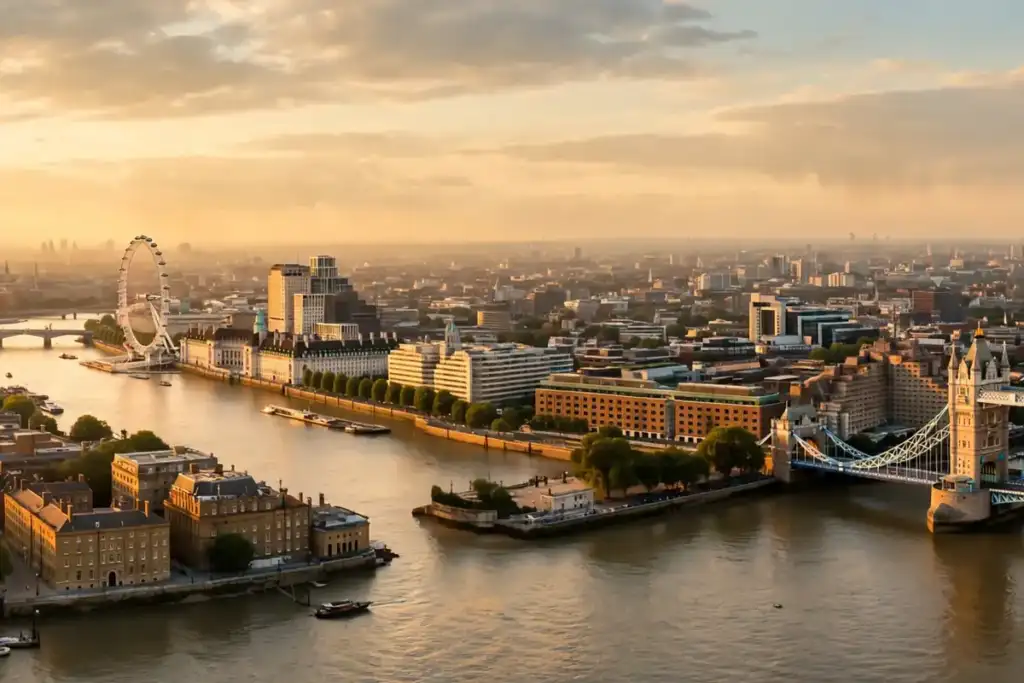
London rewards the visitor who arrives with a little preparation and a lot of curiosity. It is a city of layers: Roman walls beneath medieval lanes, Georgian squares beside glass towers, and village-like neighbourhoods tucked inside one of the largest cities in Europe. You can spend a week here and still feel that you have only scratched the surface, yet even a short visit can feel rich and complete if you choose well, move sensibly and leave room for the unplanned moments that make a trip memorable.
This guide brings the essentials together in one place. It covers when to come, where to stay, which neighbourhoods suit different kinds of travellers, the sights that genuinely live up to their reputation, how to get around without wasting time or money, where and what to eat, and the practical details that catch first-time visitors by surprise. Think of it as a friendly starting point rather than a rigid itinerary: take the ideas that fit your pace, skip the ones that do not, and let London itself fill in the rest.
Plan Your Trip Before You Arrive
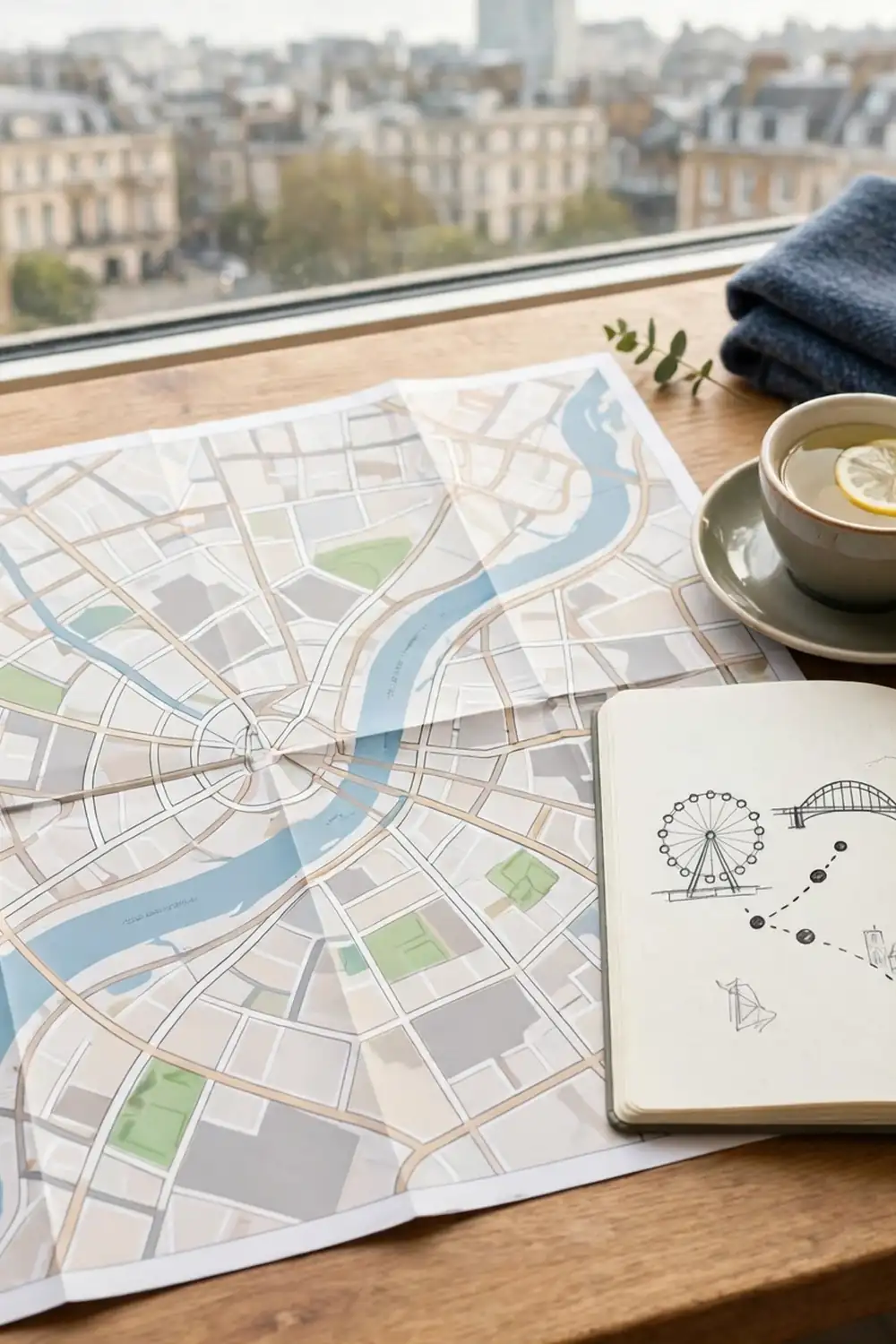
A little planning goes a long way in London, mainly because the city is so large and its attractions are so spread out. You do not need to schedule every hour, but it helps to settle three questions before you travel: when you are coming, how long you have, and roughly where you want to be based. Those answers shape everything else, from the clothes you pack to the order in which you visit the sights.
When to visit
London is a year-round city, and each season has a distinct character. Spring brings blossom and lighter evenings, summer brings long days and outdoor festivals, autumn brings golden leaves and quieter museums, and winter brings festive lights and markets. Summer is the most popular season, so expect larger crowds, while January, February and November can offer a calmer experience and often better value on accommodation.
The weather deserves honest respect rather than worry. Rain can arrive at any time of year, and a bright morning can turn showery by afternoon. Pack a light waterproof jacket, comfortable walking shoes and layers you can add or remove, and you will be ready for almost anything. Londoners do not let a drizzle stop them, and neither should you: some of the city’s best experiences, from its museums to its markets and theatres, are entirely indoors.
How many days do you need
Three to four days is a good first visit. That gives you time for the headline sights, a couple of neighbourhoods explored at walking pace, a museum or two, and at least one unhurried evening. Five to seven days allows a deeper trip, with day trips, lesser-known districts and time to revisit a favourite place without rushing. If you have only a weekend, do not try to see everything. Pick one area per half-day, build in a proper lunch break, and accept that London will still be here for a return visit.
If this is your very first trip, it can help to read a dedicated first-time visitor guide alongside this one, so you can compare priorities and shape a plan that matches your interests rather than someone else’s checklist. The best London itinerary is the one that reflects what you actually enjoy, whether that is history, food, theatre, shopping, gardens or simply wandering beautiful streets.
Where to base yourself
Central London is the most convenient base for a first visit, especially areas with good Underground connections such as Westminster, Covent Garden, Soho, South Bank and Bloomsbury. Staying centrally means shorter journeys, more sights within walking distance and an easier return to your hotel for a rest in the afternoon. Neighbourhoods slightly further out, such as Greenwich, Hampstead, Richmond or Bermondsey, can offer a quieter, more local feel and often better value, provided you are comfortable with a short train or Underground ride into the centre.
When choosing accommodation, weigh location against noise and price. A room above a lively Soho street may be exciting on the first night and tiring by the third, while a quieter side street a few minutes from a station often gives you the best of both worlds. Check how close your hotel is to an Underground or Elizabeth line station, whether breakfast is included, and whether the area feels comfortable for an evening walk back after dinner.
Neighbourhoods Worth Your Time
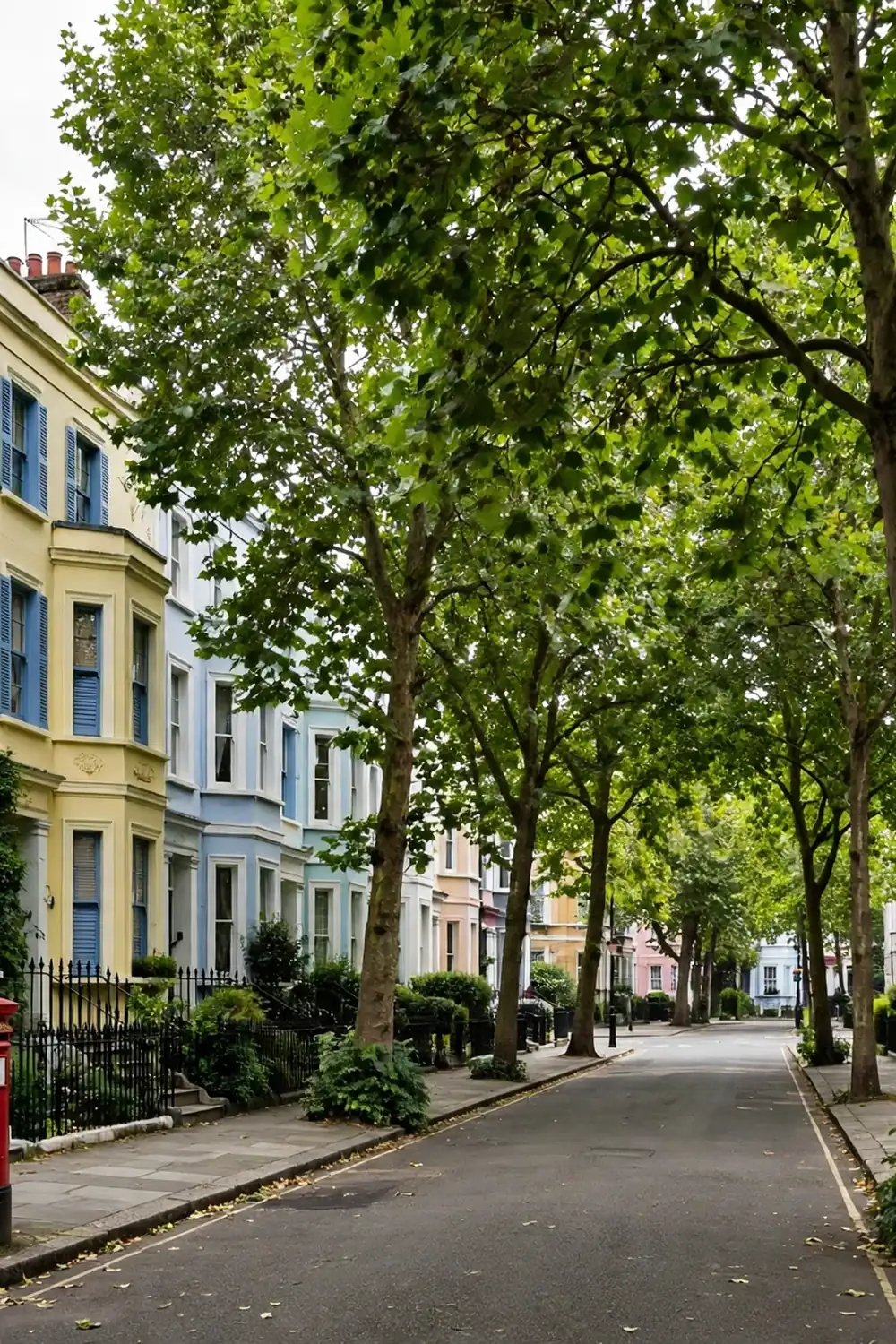
London is best understood as a collection of villages, each with its own rhythm, architecture and local life. The grand sights matter, but the neighbourhoods are where the city becomes personal. Give yourself time to wander without a destination in at least two or three of them, and you will start to understand why Londoners feel so loyal to their own corner of the city.
Westminster and the South Bank
Westminster is the London of postcards and history books: grand government buildings, abbeys and palaces, and the river at its most photogenic. Cross the Thames to the South Bank and the mood changes to something more relaxed and cultural, with riverside walks, street performers, book markets and views that stretch for miles. This is an excellent area for a first day, because so much of historic London sits within a comfortable walk.
Soho, Covent Garden and the West End
Soho is compact, energetic and full of restaurants, bars, theatres and independent shops, and it is at its best in the evening when the streets fill with people heading out for dinner or a show. Nearby Covent Garden offers a prettier, more theatrical atmosphere, with its covered market, street performers and surrounding lanes of boutiques and cafes. The wider West End is London’s theatre district, and booking a show is one of the most rewarding evenings you can spend in the city, whether you choose a long-running musical or a smaller play.
Notting Hill, Hampstead and Greenwich
Notting Hill is famous for its pastel-coloured houses, its weekend market and its village atmosphere, and it rewards a slow morning of browsing and coffee stops. Hampstead, to the north, feels almost rural in places, with its heath, wooded paths and old village high street offering a welcome contrast to central London. Greenwich, to the south-east, combines maritime history, a beautiful park, a famous observatory and a lively market, and the river journey there is a pleasure in itself. Each of these areas shows a different side of London life, and together they make a wonderful counterpoint to the busier centre.
The City and East London
The City of London, the historic financial district, is quiet at weekends but fascinating on weekdays, when ancient churches and narrow alleys sit beside striking modern towers. Head east to Shoreditch, Spitalfields and Brick Lane and you enter a younger, more creative London of street art, vintage shops, food markets and independent galleries. This is also where you will find some of the city’s most interesting and affordable eating, from long-established bakeries to inventive street-food stalls.
The Sights That Earn Their Fame
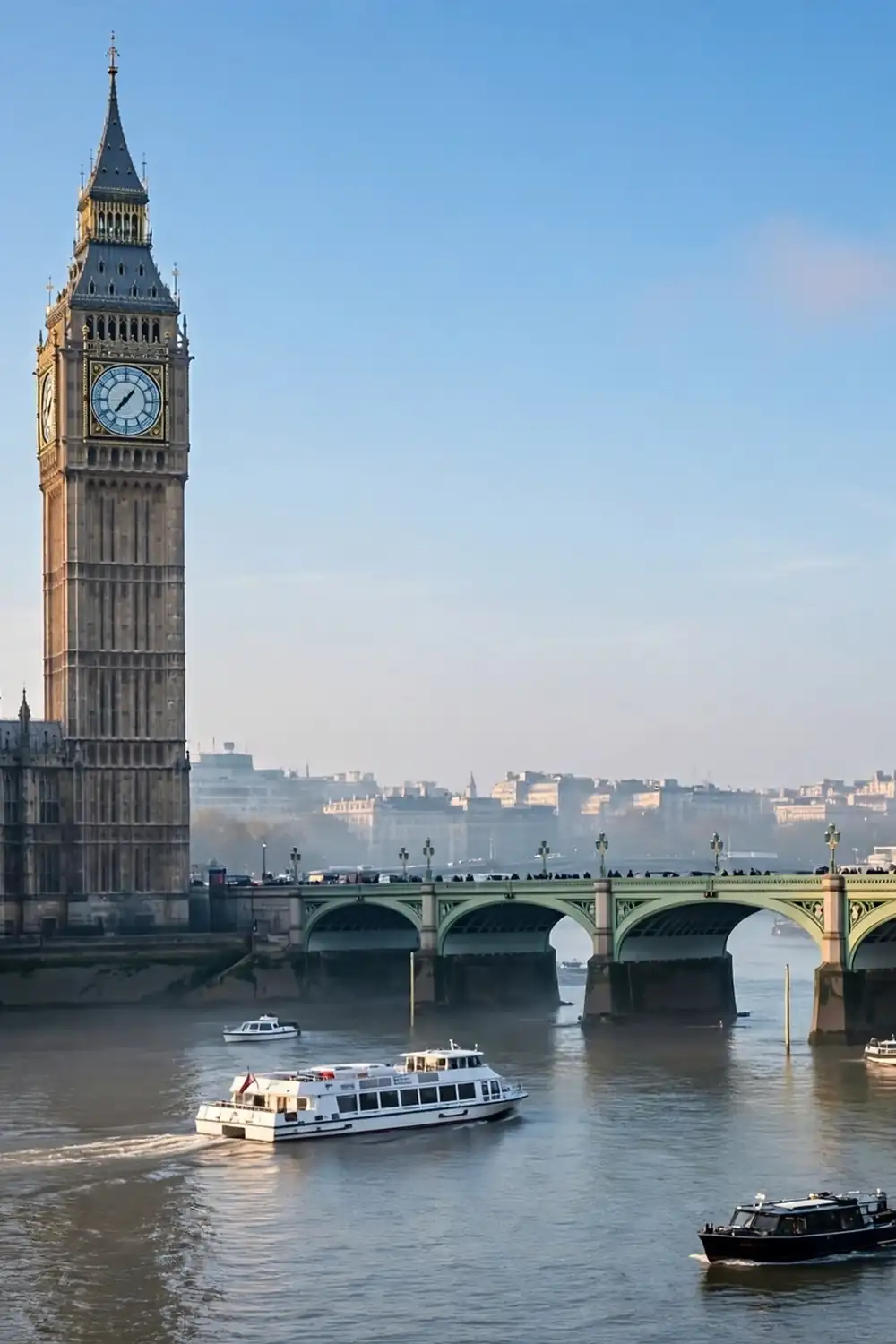
London’s most famous sights are famous for a reason, but they are best enjoyed with a strategy. Arrive early where you can, consider visiting popular attractions on weekday mornings, and remember that you do not have to see every landmark from the inside. Sometimes the finest view of a building is from a bridge, a park or a riverside path, and that view costs nothing at all.
History, palaces and landmarks
The Tower of London, Westminster Abbey, St Paul’s Cathedral and the Houses of Parliament area tell the story of the city across nearly a thousand years, from royal power and ceremony to faith, trade and everyday life. Each deserves unhurried attention rather than a rushed photograph from outside. If you love history, give at least one of these a full morning and read a little about it beforehand, so the stones and stories make sense when you stand among them.
Buckingham Palace and the surrounding royal parks are also worth a walk, even if you do not go inside. The Mall, St James’s Park and Green Park offer a graceful route between Westminster and the West End, and the changing of the guard, when it takes place, is a colourful piece of living ceremony. Always check the official palace and attraction websites before you travel for current opening arrangements, as schedules can change for state occasions and seasonal events.
Museums and galleries
London’s national museums and galleries are among the finest in the world, and many of the major collections are free to enter, which makes them perfect for both dedicated visits and shorter, curiosity-led stops. The British Museum, the National Gallery, Tate Modern, the Natural History Museum, the Science Museum and the Victoria and Albert Museum each offer enough to fill a day, so it is wiser to choose one or two highlights per visit than to attempt everything.
Decide in advance what you most want to see in each museum, then allow yourself to be distracted by whatever catches your eye on the way. Build in cafe breaks, and do not feel guilty about leaving when you have had enough: a short, happy visit beats a long, exhausted one.
Views, parks and the river
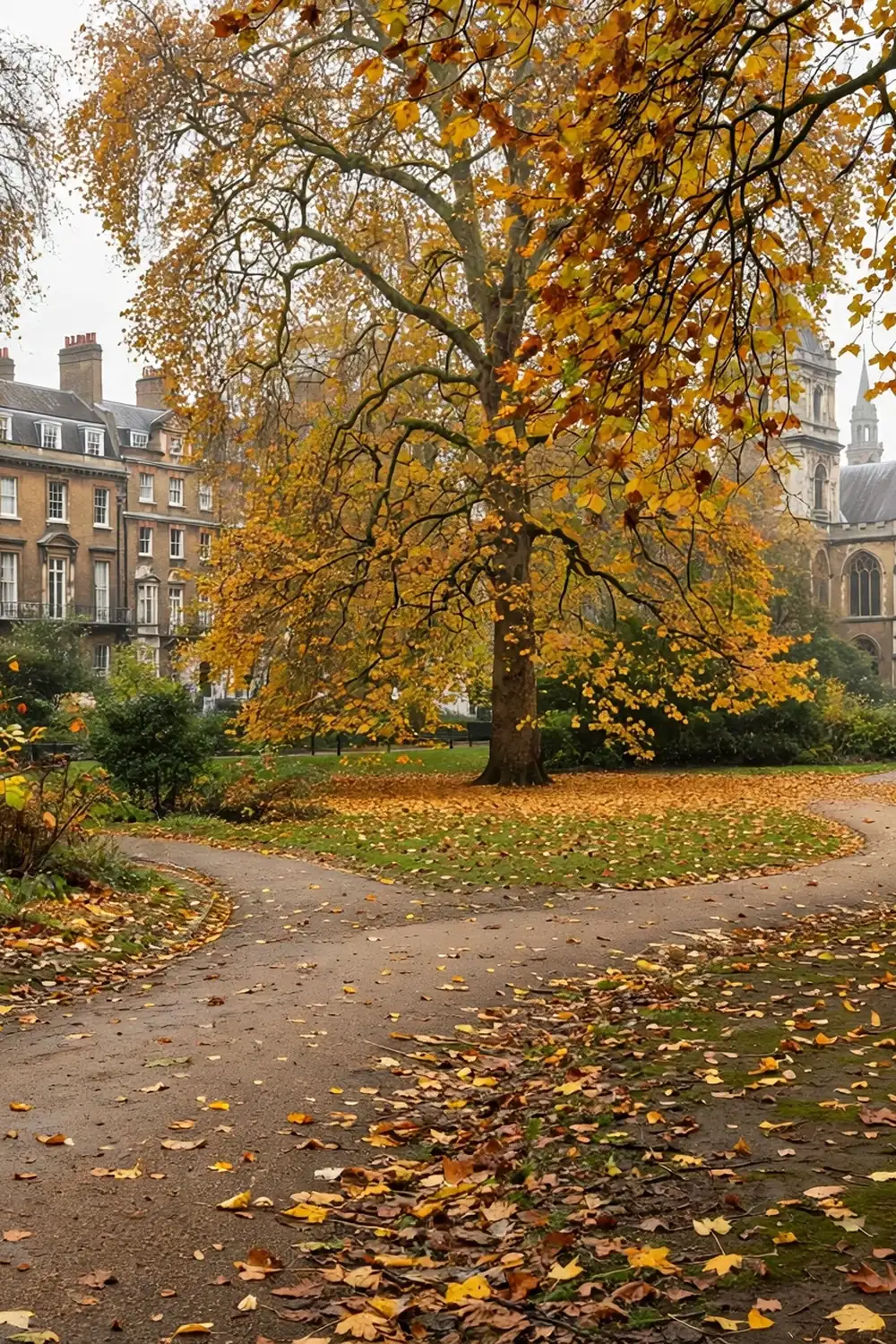
London is a city to look at from above and from the water. The river gives you a natural route through the city’s history, whether you take a boat, walk the Thames Path or simply cross its many bridges. Parks such as Hyde Park, Regent’s Park, Richmond Park and Hampstead Heath offer space, trees, lakes and long views, and they are essential to understanding how Londoners relax. On a clear day, seek out a high viewpoint: for a free option, a guide to the best free view of London can point you towards memorable panoramas without the need for a paid observation deck.
Gardens deserve special mention in a city that loves its green spaces. From the formal beds of Kew and the royal parks to small neighbourhood squares, London’s planting changes beautifully with the seasons, and even a short garden walk can reset a busy sightseeing day.
Getting Around Without the Stress
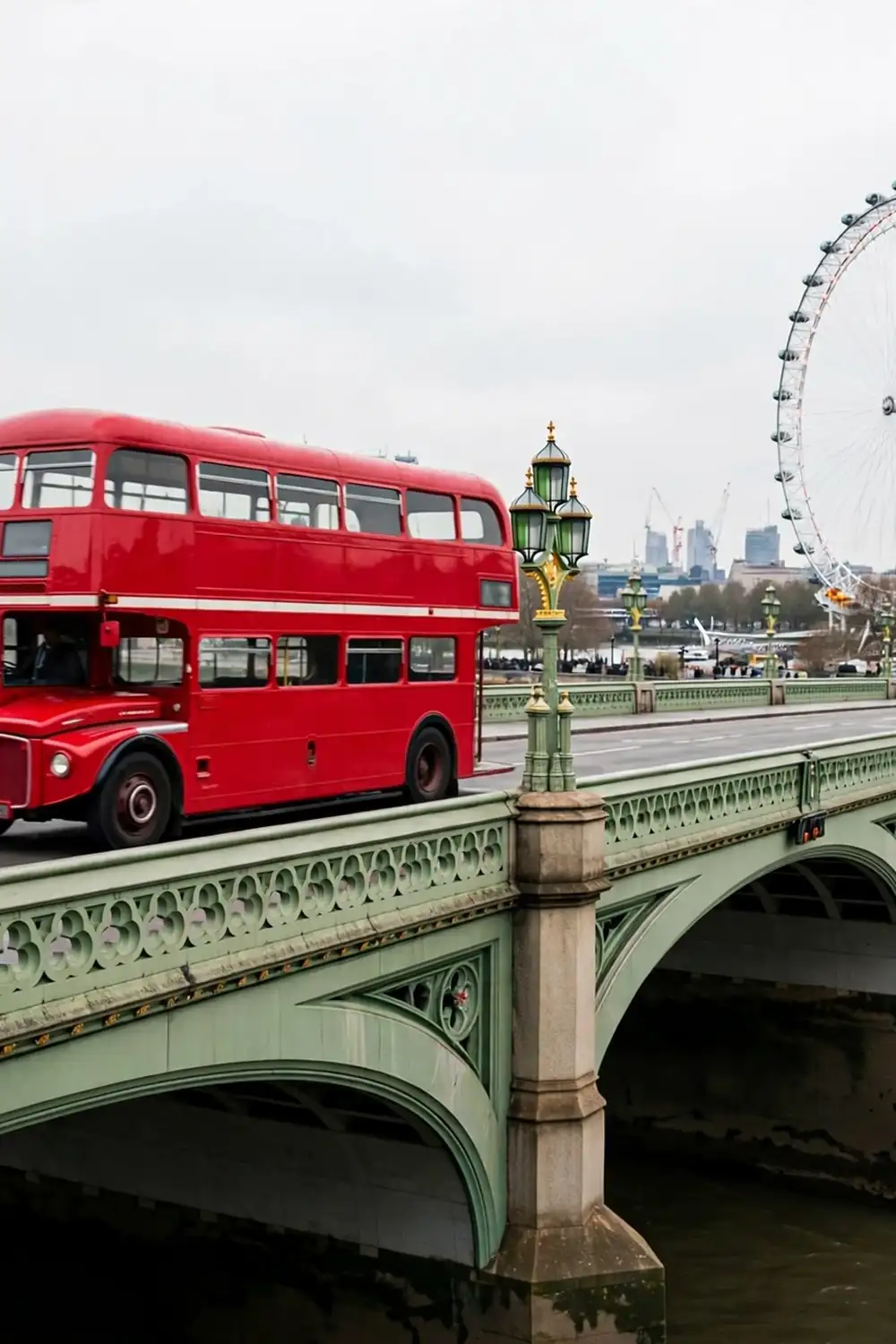
London’s transport system is extensive, well signed and, once you understand its basics, surprisingly easy to use. The key is to combine methods rather than relying on one alone: the Underground for longer hops, buses and walking for shorter ones, and the river or a cycle ride when you want the journey itself to be part of the experience.
The Underground and trains
The Underground, known to everyone as the Tube, is the fastest way across central London, and its colour-coded lines and clear maps make navigation straightforward. The Elizabeth line, London Overground and National Rail services extend that network into the suburbs and beyond, and are especially useful for places such as Greenwich, Richmond, Hampstead and the airports. Contactless bank cards and mobile payment are widely accepted for pay-as-you-go travel on most of this network, but always check the current fare and payment guidance on the official transport website before you travel, as rules and caps can change.
Two habits will make Tube travel much pleasanter. First, avoid the busiest morning and evening rush hours if you can, when trains are crowded and stations are at their fullest. Second, stand on the right on escalators and move down the platform away from the busiest entrances, where carriages are often quieter. Small courtesies like these are part of London’s unwritten transport code.
Buses, walking and cycling
Buses are slower than the Tube but far more scenic, and a ride on an upper deck is one of the cheapest sightseeing tours in the city. Routes along the river, through the West End and across the bridges give you a moving panorama of London life. Walking is equally rewarding in the centre, where many sights are closer together than the Tube map suggests: Westminster to Covent Garden, for example, is a pleasant walk, and you will see far more on foot than underground.
Cycling is growing in popularity, with hire cycles available across central London. It suits confident riders and shorter journeys, especially in the parks and along quieter riverside routes.
Airports and arrival
Most visitors arrive through one of London’s airports, and each has rail, coach and taxi connections into the centre. The journey time and cost vary considerably by airport and by mode of transport, so compare options before you book and allow generous time on your first journey, when everything is unfamiliar. If you arrive late at night, check in advance how you will reach your hotel, and keep your hotel address and a phone number handy in case you need help on arrival.
Eating, Drinking and Evenings Out
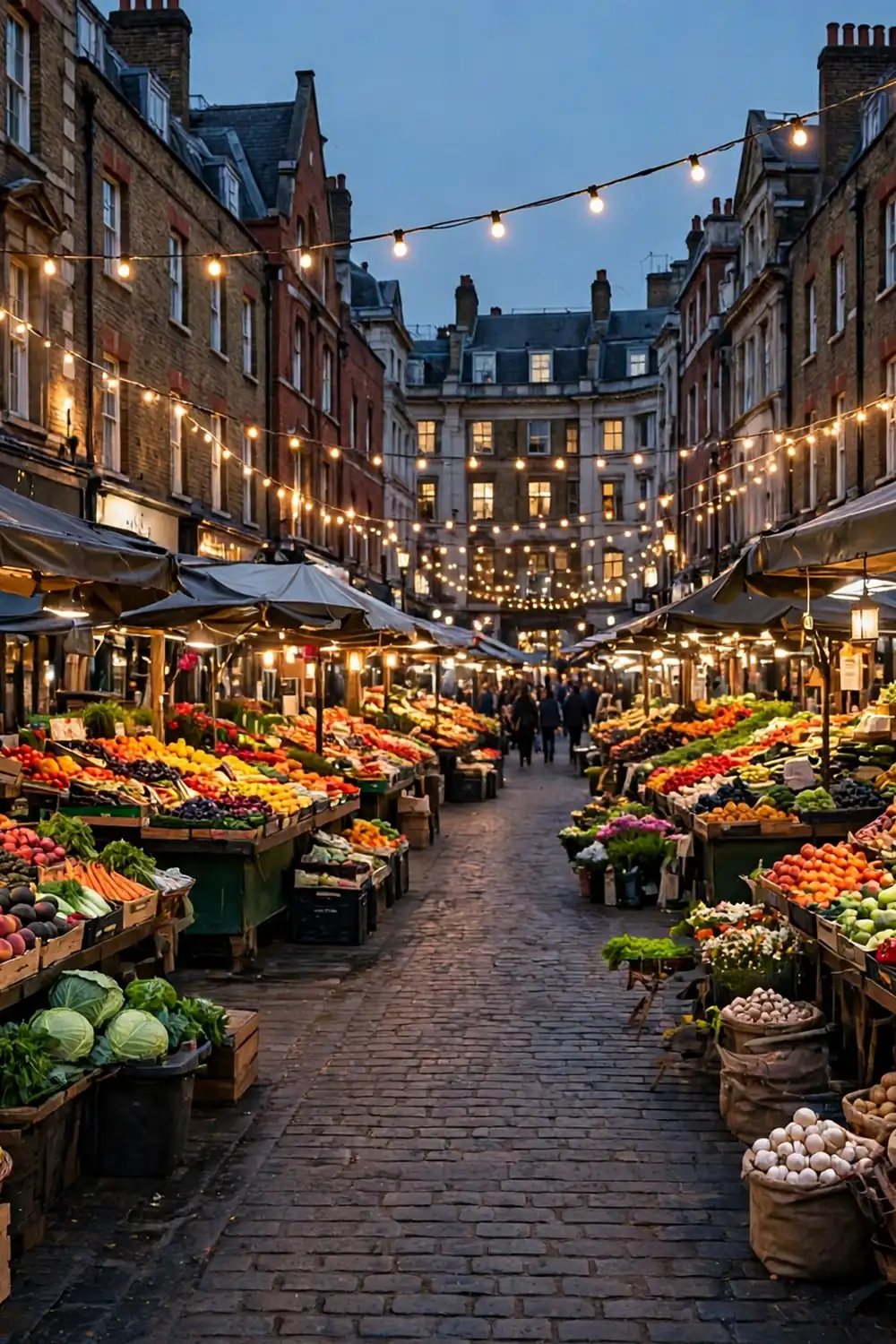
London is one of the great food cities of the world, and you can eat superbly at every price level. The city brings together British classics, cuisines from every continent, historic pubs, modern food halls and markets, and a coffee culture that rivals any capital. You do not need a large budget to eat well here, but you do need to know where to look.
Classic tastes and everyday favourites
Start with the classics: a full English breakfast, fish and chips by the river or the sea, a Sunday roast in a traditional pub, and afternoon tea for a special occasion. Beyond those, London’s markets are a wonderful introduction to its food life. Borough Market, Camden Market, Spitalfields and Brick Lane each offer a different atmosphere, from artisan producers and historic stalls to global street food. Arrive hungry, share dishes, and treat a market lunch as an experience in itself rather than a quick refuelling stop.
For everyday meals, look for neighbourhood restaurants away from the busiest tourist streets, where menus are often better value and the cooking more personal. Many excellent restaurants offer set lunches or early-evening menus that are considerably kinder to a budget than their evening prices, and booking ahead is wise for popular places, especially at weekends.
Pubs, cafes and theatre evenings
The pub is central to London social life, and even visitors who do not drink alcohol will enjoy the atmosphere, the history and the hearty food many pubs now serve. Look for pubs with real character: wood panelling, open fires in winter, a garden in summer, and a sense of local life rather than a generic interior. Cafes, meanwhile, are perfect for a mid-afternoon pause, and London’s coffee scene ranges from elegant hotel lounges to tiny independent espresso bars.
In the evening, theatre is the obvious highlight, but London also offers live music, comedy, cinema, riverside walks and late-night markets, depending on the season. Book theatre tickets in advance for the most popular shows, and check official theatre and venue websites for current prices and seating advice. A well-chosen evening out, followed by a quiet walk back through lit streets, is often the memory visitors treasure most.
Good to Know Before You Go
A few practical points will save you time, money and mild embarrassment. London is a safe city for most visitors, but like any large capital it rewards normal awareness: keep valuables secure in crowded places, be cautious with strangers offering unsolicited help at ticket machines, and use licensed taxis or reputable ride services late at night. Emergency services, pharmacies and hospitals are well provided, and most staff in hotels, museums and stations are happy to help with directions.
Money matters are straightforward. Card payment is accepted almost everywhere, including on public transport, in cafes and in markets, though it is still wise to carry a small amount of cash for smaller stalls or emergencies. Tipping is appreciated but not as rigidly expected as in some countries: a service charge is often added to restaurant bills, so check before adding extra, and a small tip for excellent service is always welcome. Prices in London can be high, especially for hotels and West End shows, so set a daily budget that feels comfortable and look for free and low-cost pleasures, from parks and markets to free museums and riverside walks, to balance the days when you spend more.
- Check official websites for current opening times, ticket rules and prices before you visit any attraction.
- Book popular attractions, restaurants and theatre shows in advance where possible, especially in summer and at weekends.
- Wear comfortable shoes: London is best explored on foot, and you will walk further than you expect.
- Carry a light waterproof layer in every season, and keep a portable charger for your phone and maps.
- Allow buffer time between sights, meals and transport, and do not plan every hour of the day.
Finally, remember that London is not a single experience to be completed, but a city to be revisited. If you miss something, treat it as a reason to return: a second visit often feels richer because you already know your way around.
If you have extra days, consider looking beyond the capital as well. A well-chosen day trip from London can add castles, coastline, historic towns or beautiful countryside to your holiday without the need to change hotels, and it is an excellent way to see more of England while keeping London as your comfortable base.
FAQ
How many days should I spend in London?
Three to four days works well for a first visit, giving you time for the major sights, a few neighbourhoods and at least one museum and theatre evening. Five to seven days allows a slower pace, with day trips and lesser-known areas included. If you have only two days, focus on one area per half-day and choose quality over quantity, so the trip feels enjoyable rather than rushed.
What is the best time of year to visit London?
There is no single best month, because each season offers something different. Late spring and early autumn often combine pleasant weather with manageable crowds, summer offers long days and outdoor events but also the largest crowds, and winter brings festive lights and a cosy atmosphere. Choose the season that suits your interests and tolerance for crowds, and pack layers whatever the month.
Is London expensive for visitors?
London can be expensive, particularly for central hotels and popular shows, but it is entirely possible to visit on a moderate budget. Many major museums are free, parks and riverside walks cost nothing, markets offer affordable and delicious food, and set lunches and neighbourhood restaurants provide good value. Planning accommodation early, booking attractions in advance and balancing paid sights with free pleasures will keep costs under control.
Do I need to book attractions in advance?
For the most popular attractions, theatre shows and restaurants, booking ahead is strongly recommended, especially in summer, at weekends and during school holidays. Advance booking often saves queuing time and guarantees entry on the day you want. For smaller museums, parks, markets and neighbourhood walks, you can usually decide on the day. Always check the official website for the latest booking guidance before you travel.
How do I get around London easily?
Use a combination of the Underground for longer journeys, buses for scenic shorter routes, and walking for central sightseeing. Contactless payment is widely accepted on public transport, but check the official transport website for current fare and payment rules before you travel. Avoid rush hour when you can, allow extra time for your first journeys, and keep a map or phone charged so you can navigate with confidence.
Is London safe for tourists?
London is generally safe for visitors, with well-policed central areas and helpful staff at hotels, stations and attractions. Take the normal precautions you would in any large city: keep bags closed and valuables out of sight in crowded places, stay aware at night, and use licensed transport. If you need help, ask staff in a shop, hotel or station, or contact the emergency services as appropriate.
What should I pack for a London trip?
Pack comfortable walking shoes, layers for changeable weather, and a light waterproof jacket in every season. Add a small day bag, a portable phone charger, and any medicines or essentials you need, since you will spend long days on your feet. For evenings out, smart casual clothing is suitable for most restaurants and theatres, while a slightly smarter outfit is worth packing for a special dinner or show.