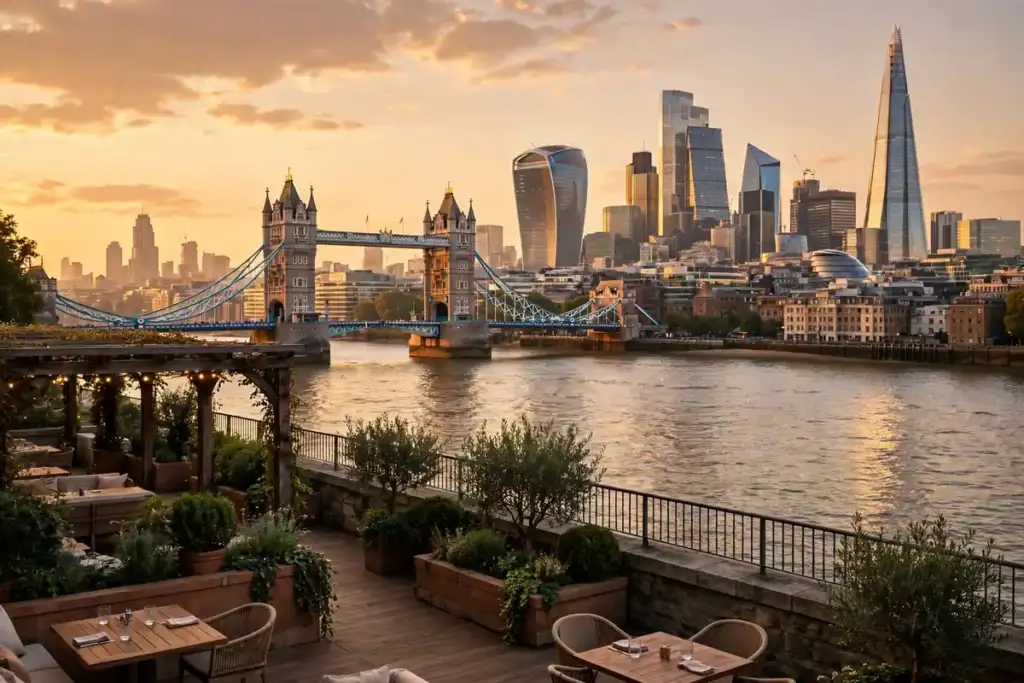
London rewards visitors who arrive prepared, and it gently punishes those who try to wing the whole trip. It is one of the great walking cities of the world, and also one of the largest, busiest and most expensive. The difference between a trip that feels effortless and one that feels like a constant queue is rarely luck. It is usually a handful of small, practical decisions made before you leave home: where you stay, how you plan your days, how you pay, and how much time you honestly allow for each place. This guide brings together 21 lessons that first-time visitors most often learn the hard way, so you can enjoy the city from day one instead of working it out as you go.
If you are still shaping your itinerary, it helps to start with a realistic shape for the trip rather than a long list of attractions. Our guide to spending three days in London as a first-time visitor shows how to group sights by area, which is the single best way to avoid criss-crossing the city all day. The advice below builds on that idea, area by area, habit by habit.
Before You Go: Planning Basics

1. London Is Much Bigger Than It Looks
On a map, central London looks compact. In practice, travelling from one side of the city to the other can take far longer than expected, especially when you add station changes, walking between platforms and the time it takes simply to leave a busy attraction. Do not try to fit a morning in Greenwich, a midday market in west London and an afternoon walk on Hampstead Heath into the same day and expect to enjoy all three. Group your plans by neighbourhood instead, and leave breathing space between stops. A map app is useful, but check journey times the evening before, not while you are already standing on a platform wondering whether you have missed your window.
2. Where You Stay Matters More Than the Hotel Brand
London hotels are expensive, and a surprisingly low price usually has a reason behind it. Very often, the reason is location: a familiar hotel name at a bargain rate may be a long commute from the places you actually want to see. That daily journey eats into sightseeing time and energy, and it can quietly spoil an otherwise good trip. Pay attention to the neighbourhood and the nearest station, not just the star rating. Areas such as Paddington, for example, often offer a useful balance: prices a little lower than the very centre, good transport links, and plenty of local restaurants and pubs that are not aimed solely at tourists.
3. Book the Free Views and Big Attractions Early
Some of London’s best experiences cost nothing, but they are not freely available on the day. Free viewing platforms, including the Sky Garden, work on timed tickets that are released in advance and are snapped up quickly, particularly for weekends and sunset slots. The same is true of many popular paid attractions, which can sell out days or even weeks ahead in busy periods. Book the things you care about most as soon as your dates are firm, and always check the official site before you go for opening hours, entry rules and any changes. For a comparison of the city’s free viewpoints, see our roundup of the best free views of London.
Getting Around Like a Local
4. The Tube Has Small Carriages and Unwritten Rules
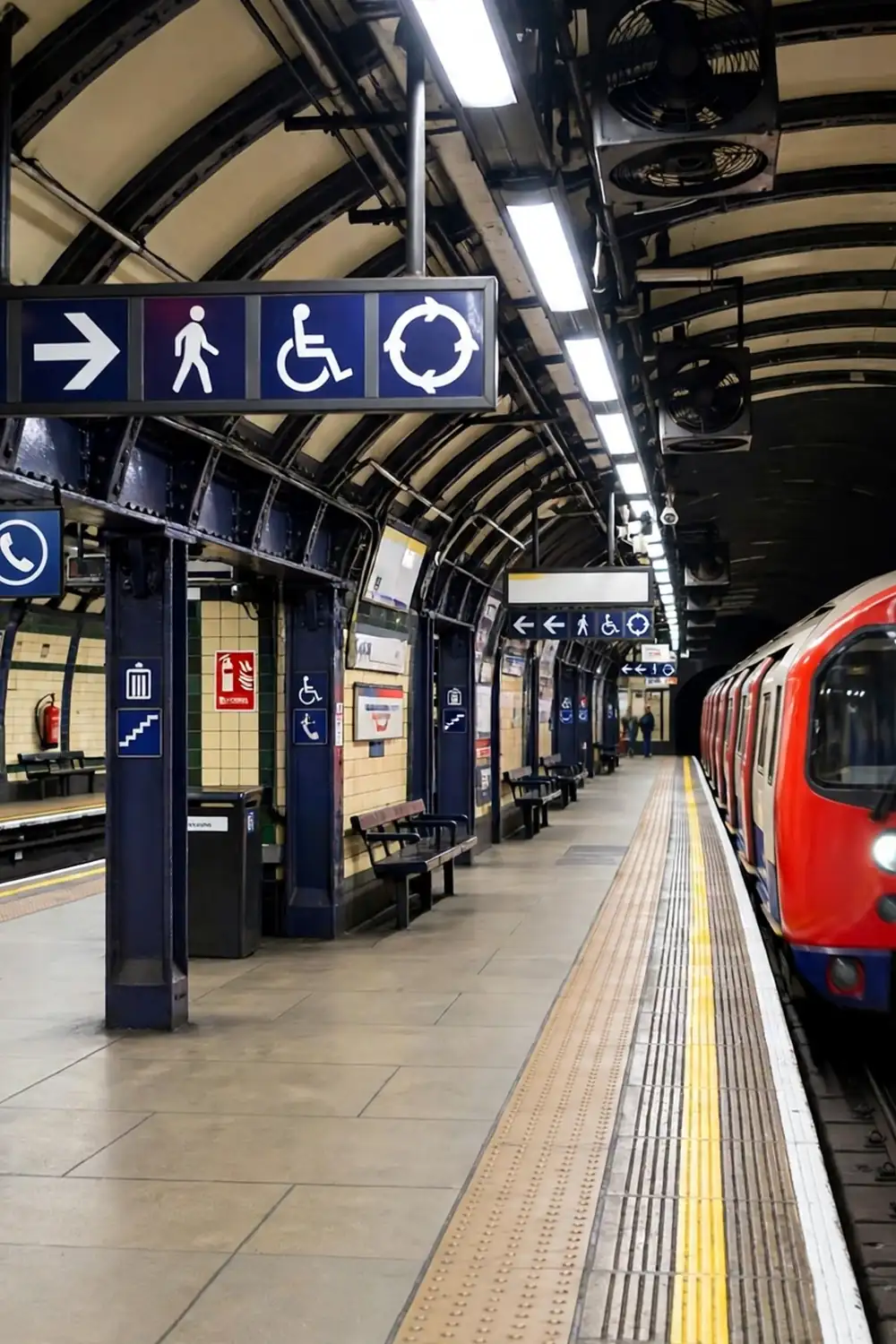
The Underground is fast and frequent, but its trains are smaller than many visitors expect, and at rush hour they are full of people travelling to work. Keep bags close, take a backpack off when the carriage is crowded, and step clear of the doors so other passengers can get on and off. Let people leave the train before you board, move down inside the carriage rather than lingering by the entrance, and avoid loud phone calls. None of this is formal law, but following it makes the journey pleasanter for everyone, and it marks you out immediately as a considerate visitor rather than an obstacle in the doorway.
5. Escalators: Stand on the Right, Walk on the Left
On Tube escalators, the convention is simple: stand on the right and walk on the left. Commuters rely on the left-hand side staying clear, and blocking it during the morning rush is one of the quickest ways to draw irritated looks. Some station escalators are very long, rising from deep platforms to street level, so there is no shame in standing still and enjoying the ride. Just make sure you are on the right-hand side while you do it, and keep luggage tucked in rather than spread across the step.
6. Crossing the Road Needs a Second Look
Traffic in London drives on the left, which catches out visitors from countries where it drives on the right. At busy junctions, look both ways even when a crossing signal seems to be in your favour, and remember that cyclists and buses can approach quietly and quickly. Drivers in a working city do not stop simply because someone is waiting hopefully at the kerb, so use marked crossings where they exist and do not assume a vehicle will slow down for you. A moment of extra care at every crossing is worth far more than a hurried dash across a busy road.
7. Paying for Travel Is Now Mostly Contactless
You no longer need to buy a separate travel card before you arrive. Most visitors can simply tap in and out with a contactless bank card or a phone payment app, using the same card or device for every journey so that daily fare caps are applied correctly. Fares and caps vary by zone, so check the official transport website before you travel if you want to estimate costs. Keep a small amount of cash as a backup if you prefer, but for buses, the Tube and river services, card and phone payments are now the normal way to travel.
8. The River Is a Route, Not Just a View
Many visitors admire the Thames from a bridge and never realise it is also a practical way to travel. River boat services run along the Thames and connect central London with Greenwich and other riverside areas, offering a far more relaxing journey than a crowded train. Travelling by boat gives you a completely different perspective on the skyline, and it turns the journey itself into part of the day out. Allow extra time, since boats are slower than the Tube, but treat the trip as sightseeing in its own right rather than wasted travel time.
Money, Food and Everyday Customs

9. Tipping Works Differently in London
Tipping in London is far less automatic than in some other countries. Many restaurants add a discretionary service charge to the bill, so check carefully before adding a further tip on top. If service has been genuinely good and no charge has been added, leaving a tip is appreciated but not obligatory, and a modest amount is perfectly normal. In pubs and cafés, tipping is even less expected: rounding up a bill or leaving small change is plenty. When in doubt, read the bill, ask politely if you are unsure, and do not feel pressured to tip twice for the same meal.
10. Cash Is Useful, but Cards Rule the Day
London is overwhelmingly a card city. Cafés, shops, markets stalls, buses and the Tube almost all accept contactless payment, and many smaller businesses now prefer it. Carrying large amounts of cash is unnecessary and, given the risk of loss or theft, unwise. Bring a card that works well abroad if you can, tell your bank you are travelling if it requires it, and keep a little cash for the rare stall or taxi that still prefers notes. For most days out, your phone or card will cover almost everything.
11. Pubs Have Their Own Etiquette
British people are famous for queuing, but pubs work a little differently. There is usually no formal line at the bar: you stand near the bar, catch the eye of the staff, and wait your turn in the loose order in which people arrived. If someone was clearly there before you, it is courteous to say so. In most pubs you order and pay at the bar, give your table number or point out where you are sitting, and food is brought to you. Ordering a round for friends is common, and it is polite to take your turn rather than leaving one person to pay all evening.
12. Eating Well Does Not Have to Cost a Fortune
London has a reputation for expensive food, and restaurant prices in the centre can certainly be high. Yet locals eat well on ordinary budgets every day. Supermarket meal deals, with a sandwich, a snack and a drink for a modest set price, are a staple lunch for office workers and a sensible option for visitors too. Markets, bakeries and neighbourhood cafés away from the main tourist streets often offer better value and better food than the busiest central restaurants. Save the special meal for one memorable evening, and eat simply the rest of the time.
Making the Most of the Sights

13. Allow Proper Time for the Big Free Museums
London’s major national museums are free to enter, which is a wonderful gift, but it also means visitors often underestimate them. The British Museum alone could fill an entire day if you tried to see everything, and even a focused visit of a few highlights takes several hours. Choose two or three galleries that genuinely interest you, rather than attempting a rushed tour of the whole building, and accept that you will leave things unseen. That is not a failure; it is a reason to return. Arrive early for the quietest galleries, and check the official site for any special exhibitions that need a separate ticket.
14. Go Beyond the Central Tourist Streets
Oxford Street, Covent Garden and Soho are worth visiting, but they are only a small part of London. Some of the city’s most enjoyable neighbourhoods lie a short journey away, where locals shop, eat and walk their dogs. Wandering residential streets, discovering a small park, a bookshop or a canal towpath often creates the memories that stay with you longer than another crowded shopping street. Build at least one unhurried neighbourhood walk into each day, with no fixed destination beyond a café or a viewpoint, and let the city surprise you.
15. Markets Reward Early Birds and Weekday Visits
Borough Market is one of London’s great food destinations, with a history stretching back centuries, but its popularity is now part of the challenge. Saturday afternoons are extremely busy, and the most enjoyable visits tend to be early in the day or on a weekday, when you can actually reach the stalls and talk to the traders. Check opening days before you go, since market hours vary through the week. The same principle applies across the city: the earlier you arrive at a popular market, museum or viewpoint, the calmer and more rewarding the experience will be.
16. Some Attractions Are Not Quite Where You Expect
A few famous London attractions sit outside the city itself, and this catches visitors out. The Harry Potter studio tour, for example, is well outside central London and needs a proper half-day or full-day plan, including travel in both directions and a pre-booked ticket, since it regularly sells out. Before you commit to any day out, check its real location and journey time rather than trusting the name alone. A little research here prevents a disappointing morning spent discovering that your chosen attraction is an hour away, not around the corner.
17. Paddington and Other Local Neighbourhoods Deserve a Look
It is easy to overlook the areas around major stations, but some of them are genuinely pleasant places to stay and explore. Paddington combines canal-side walks, quiet garden squares and a wide choice of restaurants, without the constant crowds of the West End. Similar pockets exist across the city, often within a short walk of a mainline station. If your hotel is in such an area, spend an evening exploring it properly instead of heading straight back into the centre: you may find your favourite meal of the trip in a restaurant that no guidebook has ranked.
Weather, Safety and Common Misjudgements
18. Pack for Changeable Weather, Not Just Rain
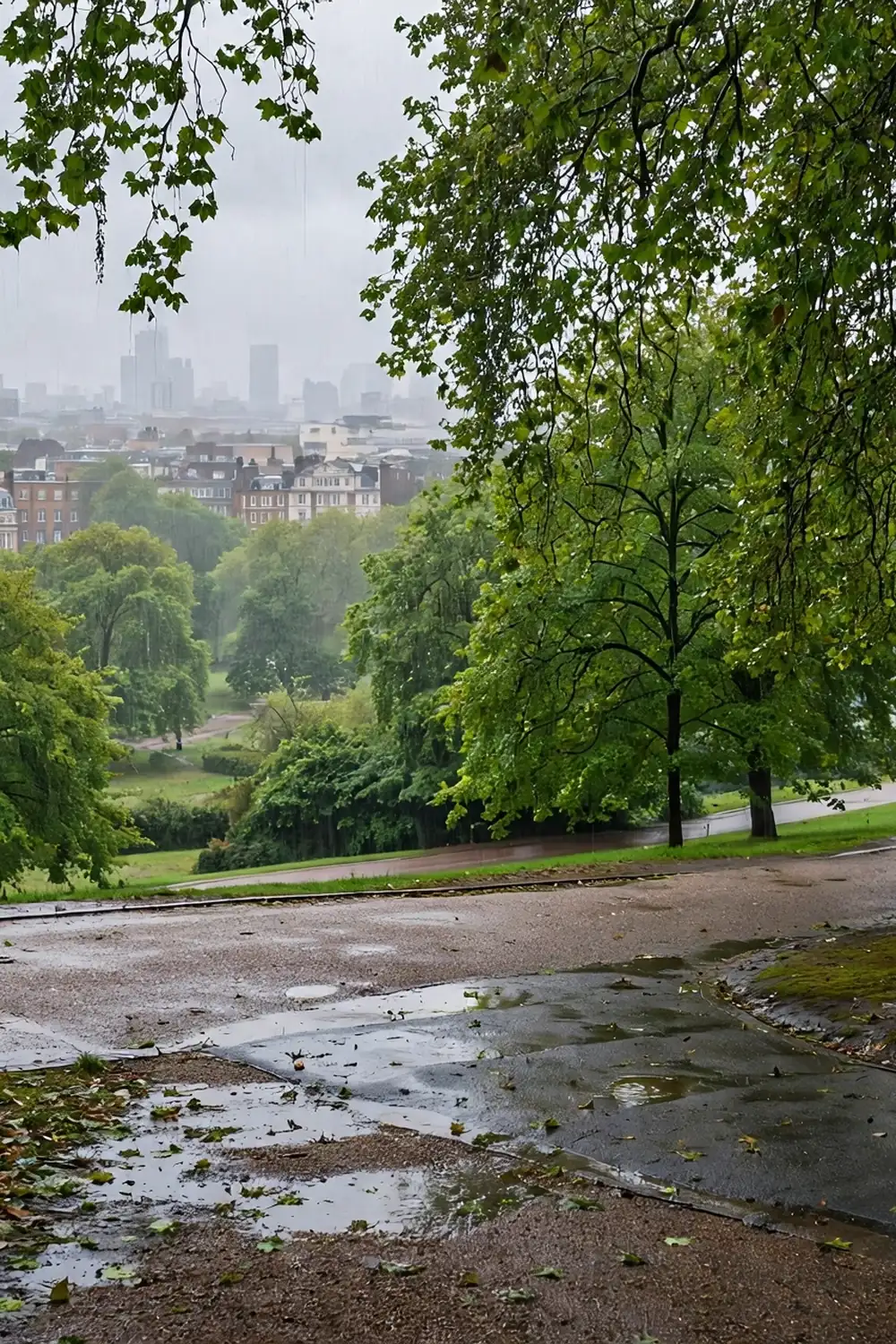
London does not rain as constantly as its reputation suggests. Summers can be warm and bright, with temperatures well into the twenties, while winter days can be crisp and clear. The real challenge is changeability: a sunny morning can turn showery by afternoon, and a cool breeze along the river can make a warm day feel chilly. Pack layers, a light waterproof jacket and comfortable walking shoes, and carry a small umbrella rather than dressing for a single forecast. Checking the forecast each morning is far more useful than packing for a stereotype of London weather.
19. Keep Your Phone Safe Near Busy Roads
Phone theft is a real concern in busy parts of London, particularly near roads where thieves on bicycles or scooters can snatch a handset and disappear quickly. It affects residents as well as visitors. Keep your phone in a pocket or bag when you are standing at the kerb, avoid holding it out towards the road while taking photographs or checking directions, and be especially careful at crossings and outside stations. If you need to navigate, step away from the roadside, check your route, and put the phone away again before you walk on.
20. Choose Day Trips You Can Actually Enjoy
London is a superb base for day trips, but distance matters. A journey of four hours or more each way leaves almost no time to enjoy the destination, which is why a day trip to Edinburgh, however tempting, is rarely a good idea. Closer cities such as Brighton, Oxford, Cambridge and Bath are far more realistic: each offers a full day of sightseeing with a manageable train journey in both directions. Our guide to the best day trips from London compares the options and journey times, so you can pick one that leaves you relaxed rather than exhausted.
21. Slow Down and Leave Room for Serendipity
The final lesson is the simplest and the hardest to follow: do not fill every hour. London is at its best when you have time to linger over coffee, sit in a park, browse a market stall or follow an interesting street for no particular reason. An over-packed itinerary turns a holiday into a checklist, and tired travellers enjoy nothing as much as rested ones do. Pick two or three priorities per day, leave the rest open, and trust that the city will fill the gaps with something worthwhile.
Good to Know
- Group sights by neighbourhood and check journey times the night before, rather than crossing the city repeatedly.
- Book free viewpoints and popular attractions as soon as your dates are firm, and always confirm hours on the official site before you travel.
- Use the same contactless card or device for all Tube and bus journeys so fare caps are applied correctly.
- Stand on the right on escalators, keep bags close on crowded trains, and look both ways when crossing, remembering traffic drives on the left.
- Check restaurant bills for a service charge before tipping, and keep phones tucked away near busy roads.
- This is an independent visitor guide, not an official London tourism site, so confirm prices, hours and ticket rules on the official sites before you go.
FAQ
Do I need cash when visiting London?
For most visitors, no large amount is needed. Cards and phone payments are accepted almost everywhere, including on buses and the Tube. A small amount of cash is a useful backup, but you can comfortably spend most days in London without using notes or coins at all.
Should I buy an Oyster card or just use my bank card?
Most visitors can simply tap in and out with a contactless bank card or phone, using the same card or device throughout so daily caps apply. A separate travel card can still suit longer stays or visitors without a suitable bank card, so check the official transport guidance for your situation before you decide.
How far in advance should I book free viewpoints such as the Sky Garden?
As early as you can once your travel dates are fixed. Timed free tickets are released in advance and popular slots, especially weekends and sunset, go quickly. Check the official site for the current release pattern and booking rules before you plan around a particular time.
Is London safe for first-time visitors?
London is generally a safe city for visitors who take normal big-city precautions: stay aware in crowds and stations, keep valuables out of sight near roads, and use licensed transport at night. The most common problems are pickpocketing and phone theft in busy areas, both of which are much less likely if you keep bags closed and phones tucked away.
How many days do I need in London?
Three full days give a good first taste of the main sights and a couple of neighbourhoods, while four or five days allow a calmer pace and a day trip. Whatever the length of your stay, grouping sights by area and limiting yourself to two or three priorities per day will make the trip feel far more enjoyable than trying to see everything at once.
What is the best way to save money in London?
Take advantage of free museums and viewpoints, eat simply at lunchtime with supermarket meal deals or market food, stay in a well-connected neighbourhood rather than the priciest central streets, and book attractions early to avoid premium last-minute prices. Small savings across transport, food and tickets add up quickly over a few days.