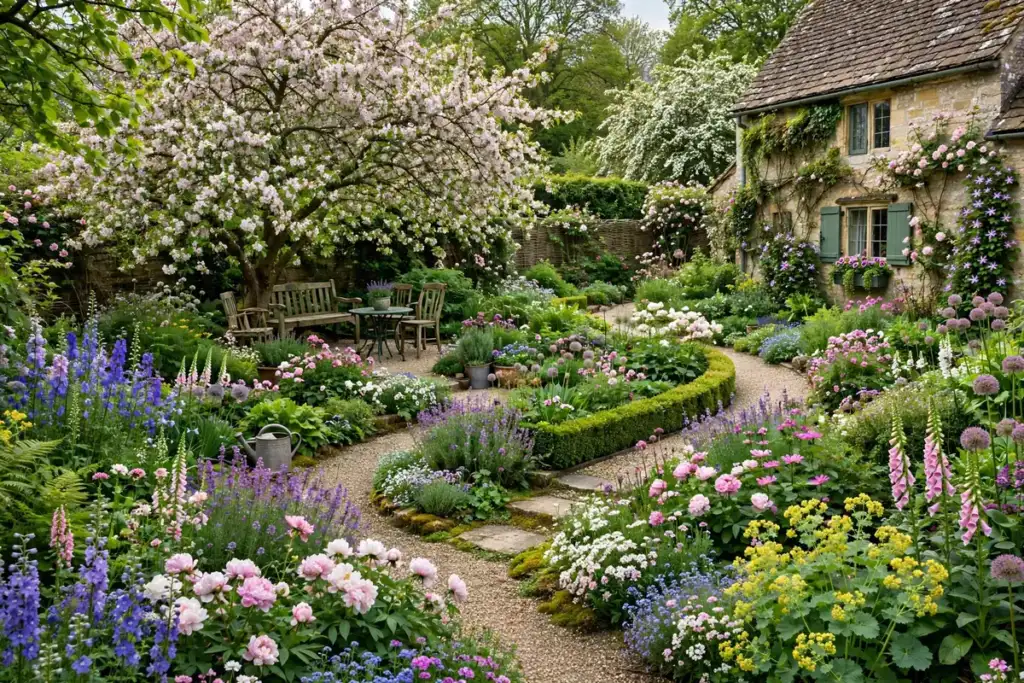
Every beautiful garden you admire has one thing in common: it was designed before it was planted. The owner did not simply buy a trolley full of pretty plants and hope for the best. They thought about how the space would be used, where the sun falls, what the garden would look like from the kitchen window in February, and which plants would earn their place year after year. That kind of thinking is what separates a garden that looks lovely for two weeks in June from one that feels good every single day.
The good news is that you do not need a large budget, a huge plot, or any formal training to design a garden well. You need a clear plan, a little patience, and an understanding of a handful of principles that professional designers return to again and again. These garden design tips will help you shape a UK garden that feels balanced, looks generous, and stays interesting through all four seasons, whether you have a compact city courtyard or a generous suburban plot.
Start With Structure, Not Plants
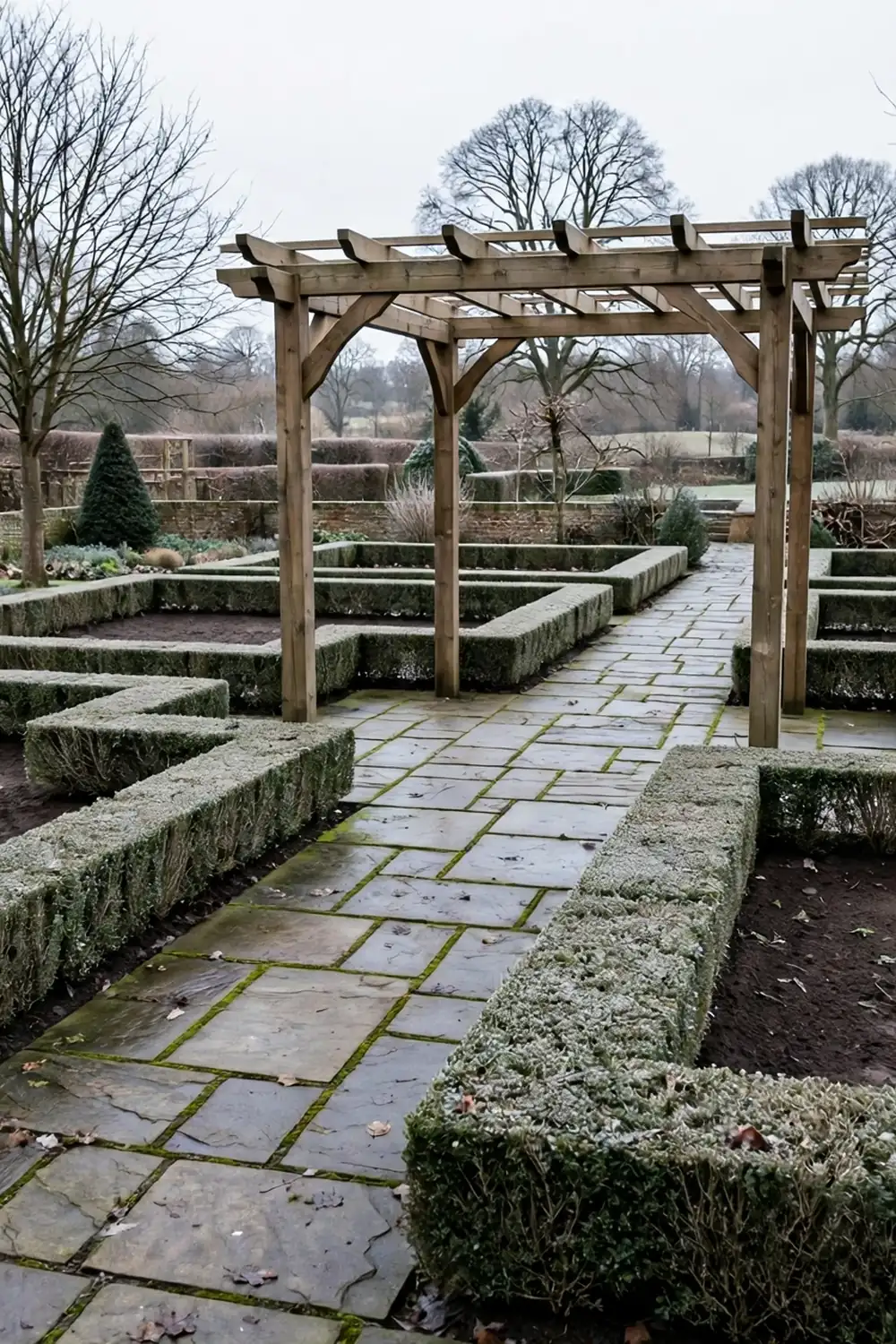
The single biggest mistake in home gardening is starting with plants. It is tempting, especially on a sunny spring morning at the garden centre, to fill a trolley with whatever is in flower. The result, though, is usually a muddle: plants of similar heights jostling together, no sense of direction, and a garden that disappears into a green blur. Professional designers do the opposite. They start with structure, the bones of the garden, and only then choose plants to clothe those bones.
Structure means the permanent, year-round elements: paths, hedges, fences, walls, trees, pergolas, raised beds, and seating areas. These are the things that hold the garden together in winter when the flowers have gone. Stand at your back door in January and look out. If the garden still has shape, height, and a clear route through it, the structure is working. If it looks flat and empty, that is where your money and effort should go first.
Choose your boundaries carefully
Boundaries do more than mark where your garden ends. A plain fence can feel harsh, while a hedge softens the edge and gives birds somewhere to nest. In many UK gardens, a mix works best: a fence for security and privacy, softened by climbers such as jasmine, honeysuckle, or a climbing rose. If you are lucky enough to have a mature hedge, look after it. A well-kept beech or yew hedge is one of the finest structural features a garden can have, and it changes colour and character with the seasons.
Add height in the right places
A garden without height feels exposed and unfinished. A single well-placed tree can transform a space, giving shade in summer, autumn colour, and a sense of maturity that no amount of bedding plants can match. For smaller gardens, choose a tree with a modest ultimate size, such as an amelanchier, a crab apple, or a small ornamental cherry. A pergola or an arch serves a similar purpose, drawing the eye upwards and creating a natural frame for climbing plants. Place tall elements where they will not steal all the sun from your borders, and remember that a tree planted today is an investment for the next twenty years.
Think about winter from the start
British gardens spend roughly half the year without their summer flowers, so winter structure matters enormously. Evergreen shrubs, clipped topiary, ornamental bark, and a well-shaped path will carry the garden through the darker months. Silver birch, with its peeling white bark, looks wonderful against a winter sky. Dogwoods with red or orange stems glow on a frosty morning. If you plan these elements deliberately, your garden will never feel like it has simply switched off between November and March.
Plan the Layout Like Rooms in a House
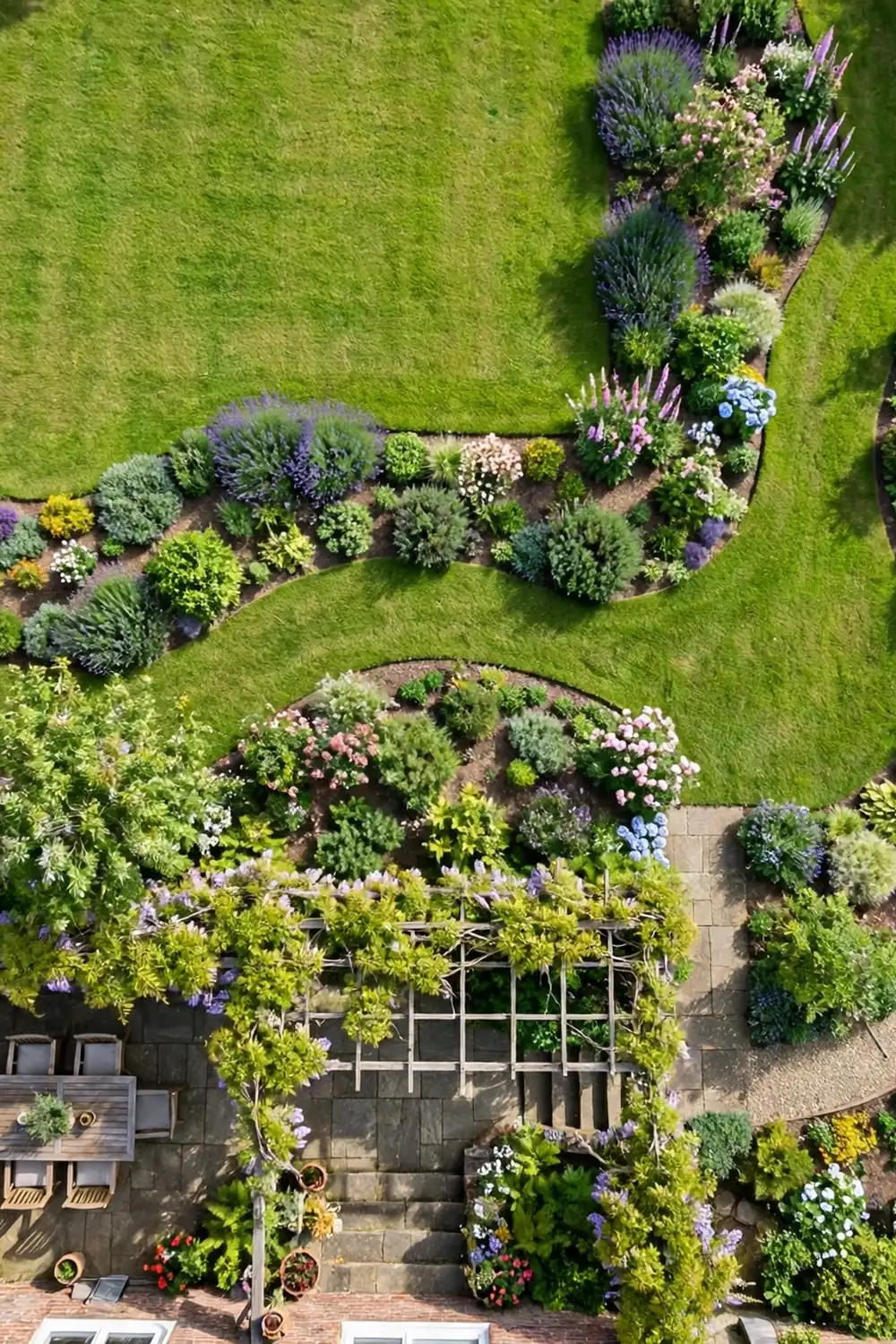
Think of your garden as a series of outdoor rooms rather than one open rectangle. Just as a house has a kitchen, a living room, and a bedroom, each with its own purpose, a garden works better when different areas have different jobs. A sunny terrace for morning coffee, a shady corner for reading, a lawn for children or dogs, a quiet spot for growing vegetables: each area feels more inviting when it has a clear identity and a reason to visit it.
Start by watching how you actually use the garden, and how the light moves across it through the day. The sunniest spot is the natural home for seating and for sun-loving plants. A damp, shady corner is perfect for ferns and hostas rather than a constant battle to grow something that wants full sun. Note where you walk most often, where the bins need to go, and where you can see the garden from indoors. The view from the kitchen window or the sofa is one of the most important views of all, because you will enjoy it every day, whatever the weather.
Use paths to guide the journey
Paths are not just practical; they control how a garden feels. A straight path down the middle of a garden makes the space feel shorter and more formal, because you can see the end at a glance. A gently curving path, or one that disappears briefly behind a shrub, makes the same garden feel larger and more intriguing, because there is something to discover around the bend. Even in a small garden, a path that curves slightly, or that is broken by a stepping-stone section, adds a sense of journey. Use materials that suit your house: brick and stone for a traditional home, gravel and sleepers for a relaxed cottage feel, and large, clean paving slabs for a contemporary look.
Make seating feel sheltered
A table and chairs dumped in the middle of a lawn rarely get used. People naturally prefer to sit somewhere that feels enclosed and protected, with something at their back and a pleasant view ahead. Tuck a bench under a tree, place a small terrace against a warm wall, or screen a seating area with tall grasses or a trellis of jasmine. A seat that catches the evening sun will be used far more than one that faces the prevailing wind. If you have room, two seating spots are even better: one for morning sun and one for the evening, so you can follow the light through the day.
Plant in Layers for a Full, Natural Look
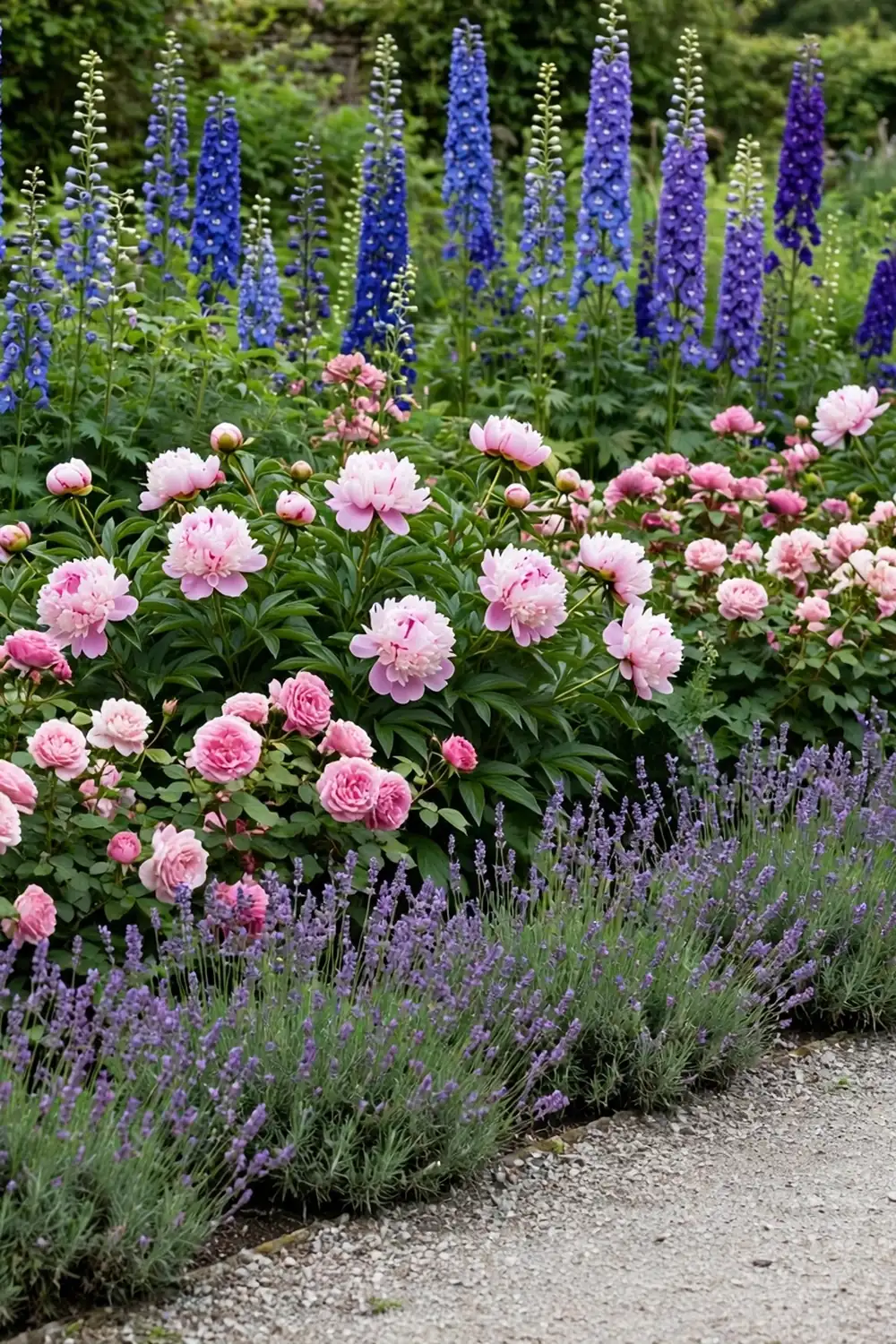
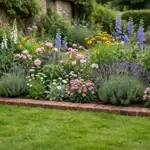
Walk through any woodland edge or well-loved cottage garden and you will notice the same pattern: plants grow in layers. Tall trees form a canopy, shrubs fill the middle, and smaller perennials and ground cover fill the gaps at the front. Copying that natural layering is the fastest way to make a border look full, mature, and effortless, rather than thin and newly planted.
In practical terms, this means putting the tallest plants at the back of a border (or in the centre, if the bed can be seen from all sides), medium plants in the middle, and low, spreading plants at the front edge. It sounds obvious, yet many gardens fail here, with tall plants hiding shorter ones or a single row of plants standing like soldiers along a fence. Deep borders help enormously: a border only a metre deep gives you room for just one or two layers, while a border two metres deep lets you build real depth, with plants weaving in front of one another in a way that looks natural and hides bare soil.
Repeat plants for rhythm
One of the secrets of professional planting is repetition. Rather than planting one of everything, which can look like a plant collection rather than a design, repeat the same reliable plants in drifts of three, five, or seven through a border. A sweep of lavender along a path, repeated clumps of geraniums, or several groups of ornamental grasses will pull the whole border together and give it rhythm. Repetition also makes maintenance easier, because you get to know how a handful of plants behave rather than juggling dozens of different needs.
Let plants earn their place
Every plant in a small or medium garden should earn its keep, ideally offering more than one season of interest. A rose that flowers all summer and then produces hips in autumn is worth more than a plant that looks good for a fortnight. A shrub with spring blossom, summer foliage, and autumn colour is doing three jobs at once. Before buying, ask yourself what a plant offers in at least two seasons. If the answer is only one short burst of flower, it may still be worth it as a highlight, but it should not take up prime space that a harder-working plant could fill.
Use Colour With Confidence
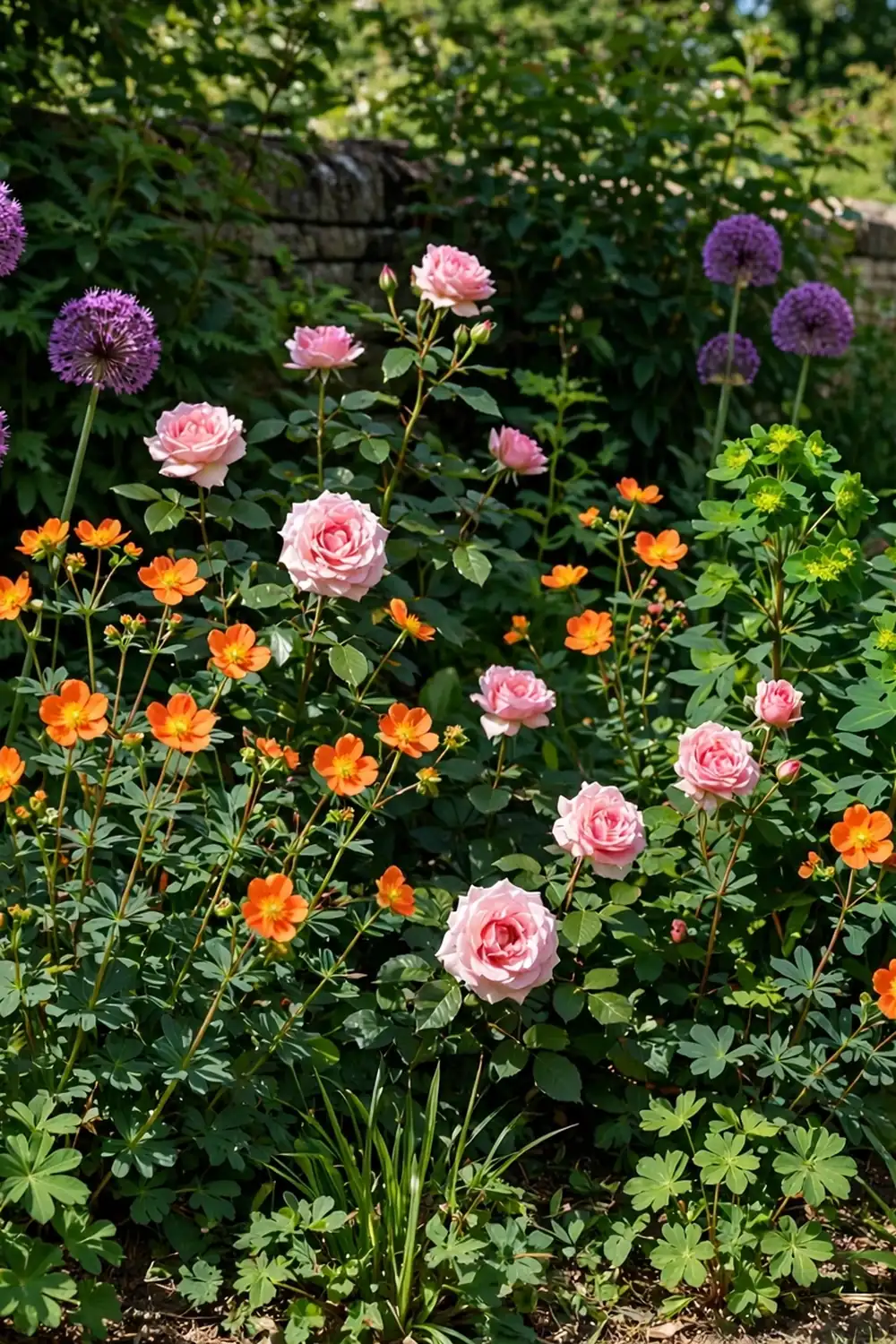
Colour is where many gardeners either play it too safe or go completely overboard. A border of only pastel pinks can feel washed out, while a random mix of every bright colour can feel chaotic. The trick is to choose a simple colour palette and stick to it, with one or two accent colours for excitement. A limited palette looks deliberate and sophisticated, and it makes shopping for plants much easier.
Start with the greens, because foliage is the backdrop for everything else. Dark green yew or holly, soft grey-green lavender, golden grasses, and purple-leaved shrubs such as physocarpus all add colour even when nothing is in flower. Then choose two or three flower colours that work together. Purple and yellow is a classic combination that sings in summer. Pink, white, and soft blue feels calm and romantic. Hot oranges and reds feel bold and exotic. Whichever you choose, repeat it through the border so the eye travels smoothly rather than jumping from one unrelated splash to the next.
For inspiration on how colour and structure work together on a grand scale, nothing beats a visit to a great botanical garden. A day spent wandering the glasshouses and themed gardens at Kew, described in our guide to the largest botanical garden on earth, will show you how professional designers combine colour, texture, and height, and you will come home with a notebook full of ideas for your own plot.
Plan colour by season
Do not plan colour for June alone. Think about what will be flowering, fruiting, or changing leaf colour in each month. Spring bulbs such as daffodils, tulips, and alliums give early colour. Summer belongs to roses, peonies, and herbaceous perennials. Autumn brings the fiery foliage of acers, the berries of rowan and cotoneaster, and the late flowers of asters and dahlias. Winter offers the stems of dogwood, the flowers of witch hazel, and the scent of winter box. A simple month-by-month list, even scribbled on paper, will quickly show you where the gaps are, and which months need a new plant.
Give the Eye Somewhere to Land
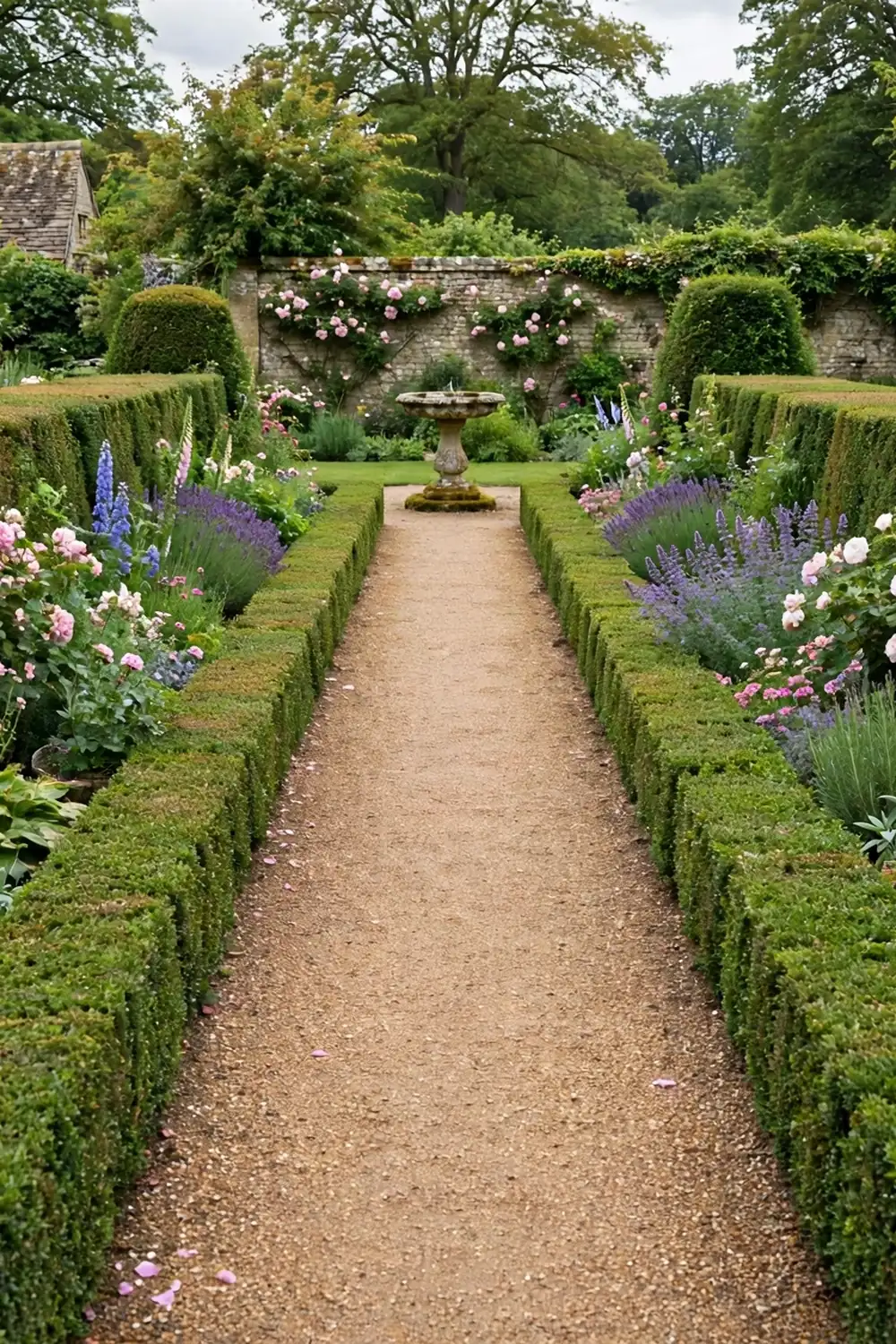
Every good garden needs at least one focal point: something that catches the eye and gives the design a sense of purpose. Without one, the eye wanders aimlessly and the garden can feel flat, however pretty the individual plants are. A focal point does not need to be grand or expensive. It might be a stone birdbath, a beautiful pot, a sculpture, a small tree with striking bark, or a bench placed at the end of a path.
Placement matters more than price. A focal point works best at the end of a sightline, where a path leads, or where it can be seen from a window or a seating area. It should be in scale with the garden: a huge statue will overwhelm a courtyard, while a tiny ornament will disappear in a large garden. One strong focal point is usually better than several competing ones. If everything shouts for attention, nothing stands out, and the garden feels restless rather than restful.
Use water, even in a small space
Water adds a completely different dimension to a garden: movement, sound, reflection, and a magnet for wildlife. You do not need a large pond to enjoy it. A small raised water feature, a stone basin with a gentle trickle, or even a simple birdbath will bring birds into the garden and give you something to listen to on a still evening. If you have children or pets, a raised feature or a shallow pebble fountain is a safer choice than an open pond, and it still gives you the sparkle and sound of water.
Design for Every Season, Not Just Summer
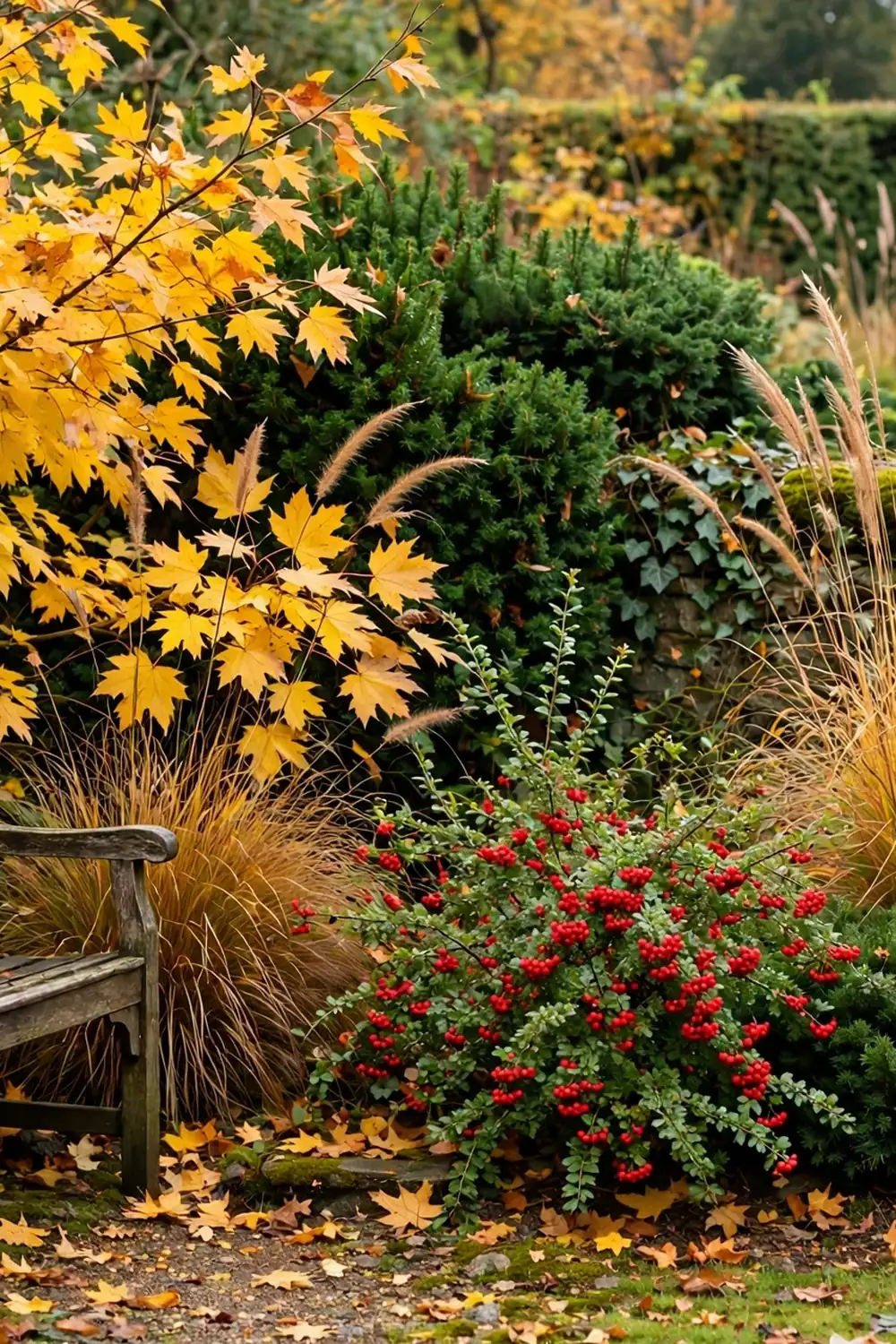
The most satisfying gardens are those that reward you all year. Yet it is easy to design only for summer, when garden centres are full of flowers and the days are long. The result is a garden that peaks in July and then fades into a long, dull winter. Designing for four seasons does not mean giving up summer colour; it means weaving in plants that shine at other times of year, so there is always something to look forward to.
Spring is the easiest season to plan for, because bulbs do most of the work. Plant daffodils, tulips, crocus, and alliums in autumn, in generous drifts rather than lonely singles, and they will return year after year with very little effort. Autumn is about foliage and fruit: acers, liquidambar, and amelanchier give spectacular leaf colour, while berries feed birds through the colder months. Winter belongs to structure, scent, and bark, as described earlier. When each season has its own stars, the garden never feels finished, and you will find yourself looking out of the window in January with genuine anticipation for what comes next.
London is a wonderful place to study year-round garden design, because its parks and gardens are planted to perform in every season. Many of the best places to visit in London include gardens and green spaces that are worth visiting more than once, and seeing the same garden in spring and again in autumn is one of the best design lessons there is. If you have time for a longer trip, several day trips from London also lead to historic gardens and estates where you can see four-season planting done at full scale.
Keep a simple seasonal jobs list
A garden designed for all seasons still needs a little care, but a short seasonal routine keeps it manageable. In spring, feed borders, divide overgrown perennials, and mulch bare soil. In summer, deadhead regularly, water deeply rather than lightly, and keep on top of weeds before they seed. In autumn, plant bulbs and new shrubs, cut back only what has truly finished, and leave seed heads standing for birds and for frosty morning interest. In winter, prune trees and shrubs while they are dormant, clean and sharpen tools, and plan next year’s changes from the warmth of indoors. Little and often always beats a frantic annual blitz.
Leave room for wildlife
A garden that works for wildlife is a garden that works harder for you. Birds eat slugs and aphids, bees pollinate your fruit and flowers, and frogs deal with pests in damp corners. A small log pile, a patch of long grass, a birdbath, and a few native plants such as hawthorn, foxglove, and honeysuckle will bring life into the garden without any extra effort. Avoid being too tidy in autumn: fallen leaves make excellent mulch and shelter for insects, and standing seed heads feed finches through winter. A garden that buzzes and sings feels alive in a way that a perfectly sterile garden never will.
Good to Know
Before you start digging, a few practical points will save you time, money, and disappointment. First, know your soil. A simple squeeze test or a cheap soil testing kit will tell you whether your soil is clay, sandy, or loamy, and whether it leans acidic or alkaline. Many plants, especially rhododendrons and blueberries, will struggle in the wrong soil, while others, such as lavender, demand sharp drainage. Improving soil with compost and organic matter is almost always money well spent, and it benefits every plant you grow.
Second, work in stages. Redesigning a whole garden at once can be overwhelming and expensive, so tackle one area at a time, starting with structure and the areas you see most often. A new path and a well-planted border by the back door will give you more daily pleasure than a half-finished overhaul of the entire plot. Third, buy plants in the right sizes. Large specimen plants give instant impact but cost far more and can struggle to establish; smaller plants settle in faster, grow quickly, and let you afford more of them. Patience, in gardening, is usually rewarded within a single season.
Finally, remember that a garden is never truly finished, and that is part of the joy. Plants grow, tastes change, and a design that looked perfect three years ago may need a tweak as a tree matures or a family grows. Treat your design as a living plan rather than a fixed blueprint, and do not be afraid to move a plant that is in the wrong place. Gardens forgive experimentation far more readily than rooms indoors, and every change teaches you something about your soil, your light, and your own taste.
FAQ
What are the most important garden design tips for beginners?
Start with structure before plants, plan the layout around how you actually use the space, and plant in layers with tall plants at the back and low plants at the front. Choose a simple colour palette, add one clear focal point, and include plants that offer interest in more than one season. These six principles alone will lift a garden from a random collection of plants to a coherent design, even if you change nothing else.
How do I design a small UK garden so it feels bigger?
Use a curving or diagonal path rather than a straight one down the middle, so the eye cannot take in the whole garden at once. Add height with a small tree, a pergola, or tall climbers, and use mirrors or light-coloured paving sparingly to bounce light around. Keep the lawn in proportion, use generous borders rather than thin strips, and choose a limited colour palette so the space feels calm rather than cluttered. A single seating area that feels sheltered will be used far more than several scattered chairs.
Which plants are best for year-round interest in a UK garden?
Look for plants that do at least two jobs. Amelanchier offers spring blossom, summer berries, and autumn colour. Evergreen shrubs such as yew, holly, and sarcococca give winter structure and, in sarcococca’s case, winter scent. Herbaceous perennials such as geraniums, astrantia, and ornamental grasses flower for months and then offer seed heads in autumn. Add spring bulbs and a dogwood or birch for winter bark, and every season will have something to enjoy.
How much should I budget for redesigning a garden?
Costs vary enormously, but structure is where money is best spent first: paths, edging, soil improvement, and a good tree or hedge will outlast any number of bedding plants. Doing the work in stages spreads the cost, and buying smaller plants, growing from seed, and propagating from cuttings can cut plant bills dramatically. A realistic approach is to set a budget for one area at a time, complete it properly, and then move on, rather than spreading a small budget thinly across the whole garden.
Do I need a professional garden designer?
Not necessarily. Many gardeners design beautiful spaces themselves by following the principles in this guide and observing gardens they admire. A professional designer is worth considering if the garden has difficult levels, drainage problems, or major structural work, or if you want a full plan drawn up before committing to a large project. Even a single consultation can be valuable: a designer can spot problems with light, drainage, and scale that are hard to see when you look at your own garden every day.
What is the biggest mistake people make when designing a garden?
The most common mistake is planting before planning: buying plants because they look pretty in the garden centre, without thinking about their final size, their soil and light needs, or where they fit in the overall design. The result is overcrowding, plants in the wrong place, and a garden that needs constant rescue work. Taking a weekend to measure the plot, note the sun and shade, and sketch a simple plan will prevent most of these problems and will save far more time than it takes.




3 thoughts on “Top Garden Design Tips for a Beautiful UK Garden All Year Round”