A gorgeous garden is rarely the result of one dramatic weekend of work. It is the result of dozens of small, well-timed jobs done consistently through the year: soil improved a little each spring, plants fed when they are hungry, water given deeply rather than in panicked sprinkles, and secateurs used with a clear reason in mind. Professional gardeners know this, which is why their gardens look calm and abundant rather than frantic. The plants are not working harder than yours. They are simply being looked after in the right way, at the right time.
This guide gathers the expert garden care tips that make the biggest difference in a UK garden, whether you have a small courtyard, a suburban plot, or a generous country garden. It is not about design or layout, although good care will make any design look better. It is about the practical craft of keeping plants healthy: understanding soil, feeding wisely, watering well, pruning with confidence, and dealing with weeds, pests and disease before they take hold. Follow these principles and your garden will not just survive the seasons. It will genuinely thrive in them.
One idea runs through everything that follows. Gardening rewards observation more than effort. Ten minutes spent looking closely at your plants each week, noticing which leaves are yellowing, which stems are crowded, and which soil is dry or waterlogged, will save you hours of rescue work later. The best gardeners are not the busiest. They are the most attentive.
Know Your Soil Before You Plant Anything
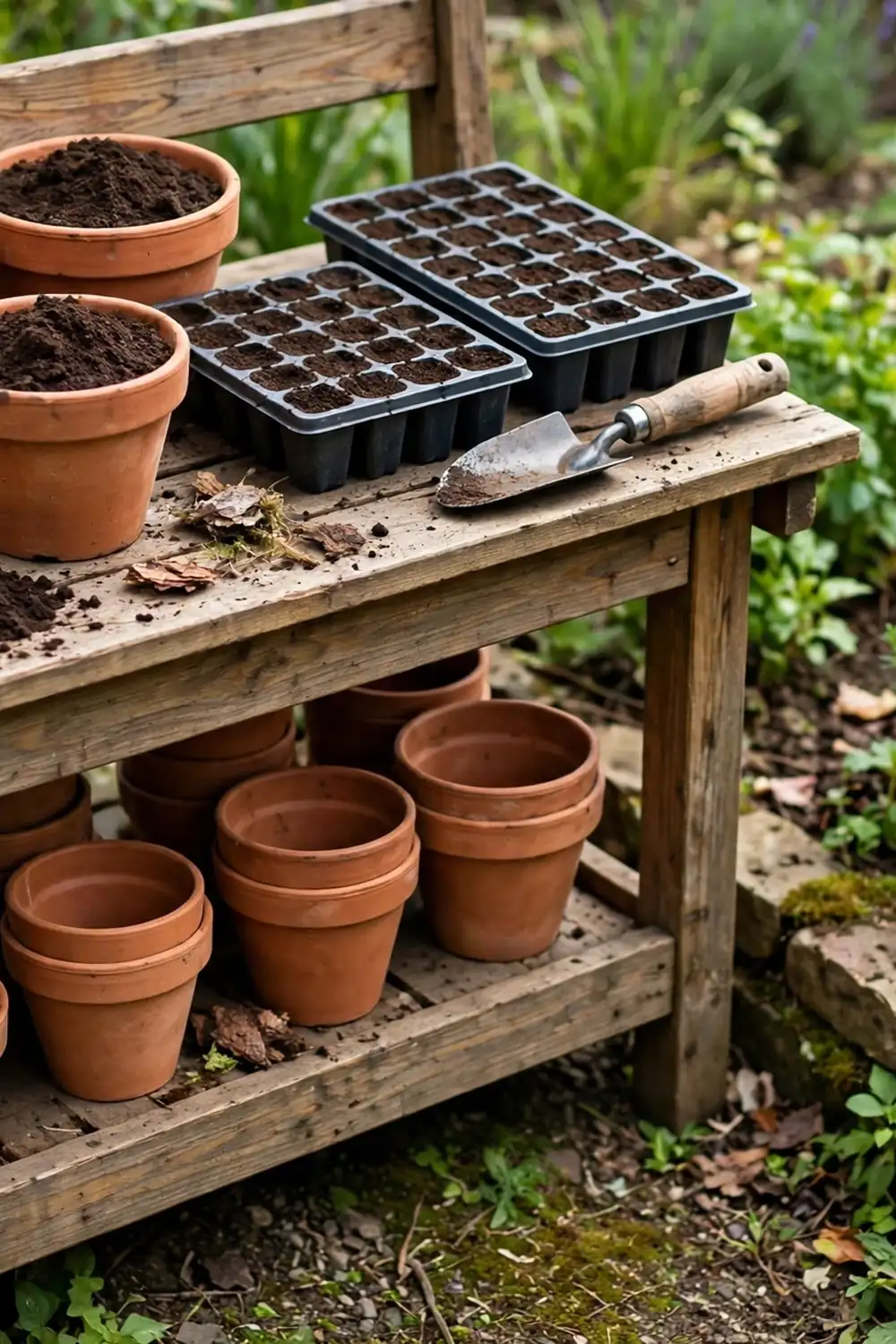
Every expert will tell you the same thing: feed the soil, and the soil will feed the plants. Soil is not just dirt to hold a plant upright. It is a living system of minerals, organic matter, air, water and countless organisms, and its character decides which plants will flourish and which will always struggle. A rose planted in heavy, waterlogged clay will sulk no matter how much you pamper it above ground, while the same rose in well-drained, humus-rich soil will reward you with armfuls of flowers.
Start by finding out what you have. Squeeze a handful of moist soil. If it holds together in a sticky ball and shines when rubbed, you have clay. If it falls apart and feels gritty, you have sand. If it holds its shape briefly and then crumbles into a dark, crumbly mass, you are lucky: that is loam, the gardener’s ideal. A simple soil testing kit, available cheaply from any garden centre, will also tell you whether your soil is acidic, neutral or alkaline. That matters, because plants such as rhododendrons, camellias and blueberries demand acidic soil, while lavender, clematis and many vegetables prefer neutral to alkaline conditions.
Improve soil with organic matter, every year
Whatever your soil type, the single most valuable thing you can add is organic matter: garden compost, well-rotted manure, or leaf mould. Spread a thick layer, five to eight centimetres deep, over beds each autumn or spring and let the worms work it in. On clay, organic matter opens the structure so water drains and roots can breathe. On sand, it acts like a sponge, holding moisture and nutrients that would otherwise wash away. There is no quicker route to healthier plants, and unlike chemical fertilisers, it improves the soil itself rather than just feeding the plant for a few weeks.
Do not dig when the soil is wet
It is tempting to get out into the garden on the first mild winter day, but digging or walking on wet clay compacts it into something closer to pottery than soil. Compacted soil starves roots of air and water, and the damage can take seasons to undo. Wait until the soil crumbles rather than sticks to your boots. If you must work in a wet area, lay planks to spread your weight, and keep off beds entirely in the depths of winter. Patience here is a genuine expert skill.
Feed Little and Often, Not in One Big Hit
Plants are hungry in spring and summer, when they are growing fast and, in many cases, flowering heavily. Yet the most common feeding mistake is to give one enormous dose of fertiliser in spring and then forget about feeding for the rest of the year. A plant can only take up so much at once. The rest washes away, pollutes watercourses, and can even scorch roots. Experts feed little and often, matching the dose to the plant’s stage of growth.
For most borders, a balanced approach works well. In early spring, scatter a general-purpose granular feed around plants and lightly fork it into the mulch. Then, for heavy feeders such as roses, dahlias and container plants, follow up with a liquid feed every two weeks through the growing season, always on moist soil and never on a plant that is already dry and stressed. Container plants deserve special attention, because every watering flushes nutrients out of the pot. If your pots look pale and tired by July, they are almost certainly hungry, not diseased.
Match the feed to the job
Different feeds do different things, and the numbers on the packet tell you how. A feed high in nitrogen encourages leafy growth, which is what you want for lawns and leafy vegetables in spring. A feed high in potash encourages flowers and fruit, which is why rose and tomato feeds are rich in it. In autumn, avoid nitrogen-rich feeds that push soft new growth just before frost. Instead, a potash-rich feed helps stems and roots harden for winter. Reading the label for thirty seconds is the difference between feeding wisely and feeding blindly.
Let mulch do some of the work
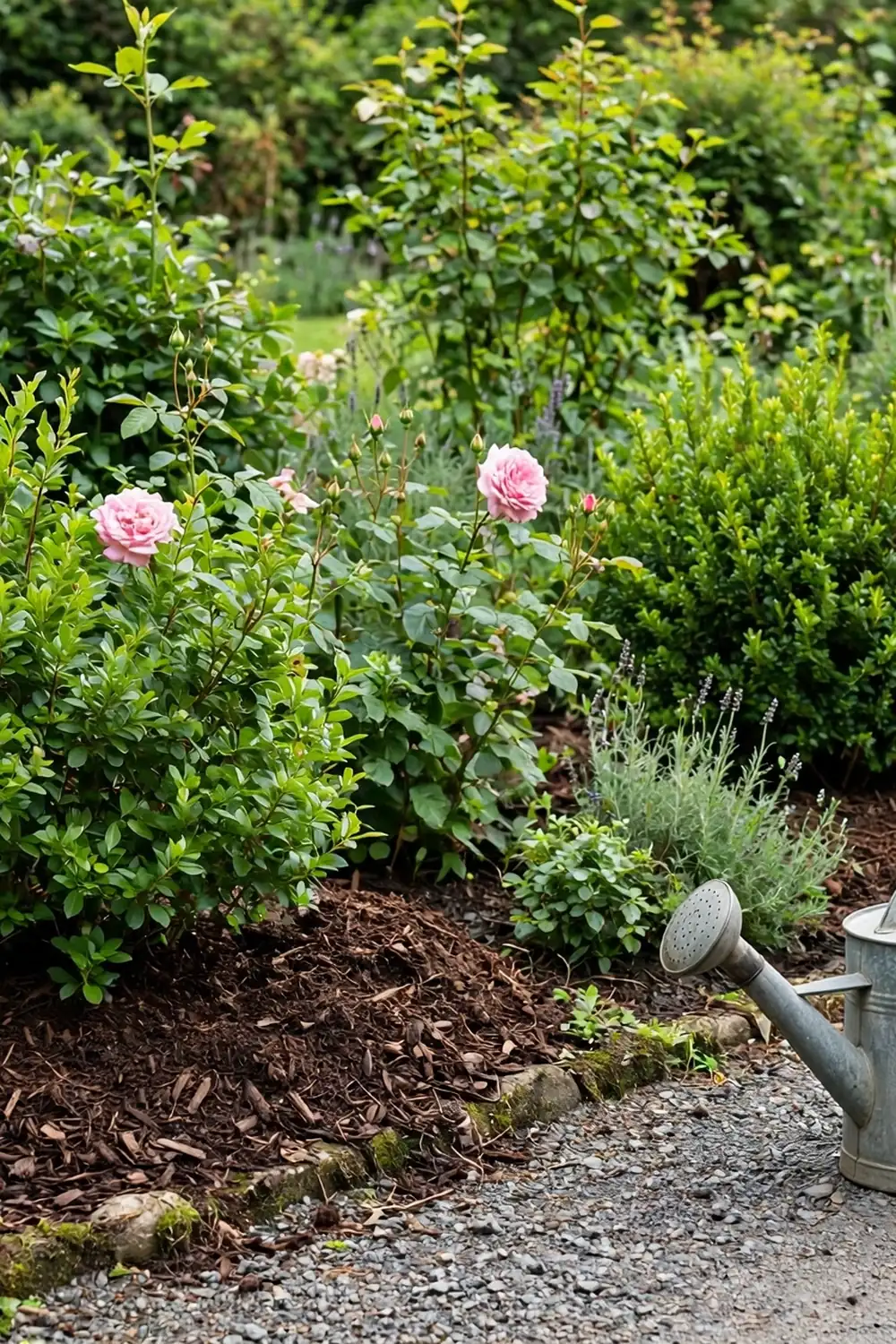
Mulch is the quiet hero of expert garden care. A five-centimetre layer of bark, compost or well-rotted manure spread over moist soil in spring suppresses weeds, keeps roots cool and damp, and slowly releases nutrients as it breaks down. It also makes a border look instantly cared for. The one rule is to mulch onto moist soil, never onto dry soil, or you will lock drought in rather than moisture out. Water thoroughly first, then mulch, and your plants will thank you all summer.
Water Deeply and at the Right Time
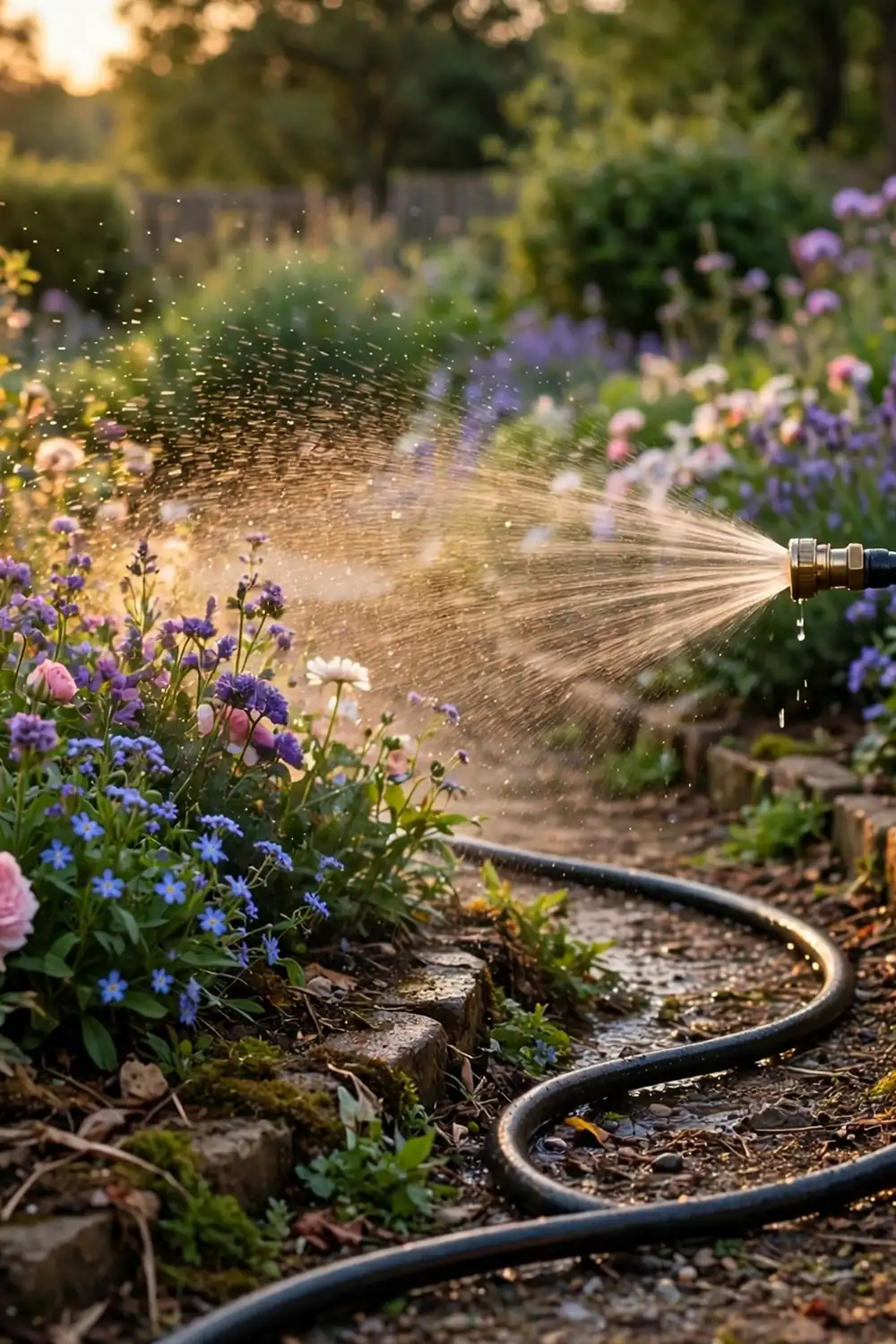
Watering looks simple, yet it is where many gardens quietly fail. A light sprinkle every evening wets only the top centimetre of soil, encouraging roots to stay shallow, where they dry out fastest. A deep soak once or twice a week is far better: it draws roots downwards, where the soil stays moist longer, and produces plants that can cope with a dry spell. The test is simple. After watering, push a finger or a trowel into the soil. If only the surface is damp, you have not watered enough.
Timing matters too. Water in the early morning or evening, when evaporation is low and leaves have time to dry before nightfall. Wet leaves overnight invite fungal disease, which is one reason overhead watering late in the day causes trouble. Water the soil, not the plant: direct the can or hose at the base, where the roots are, rather than spraying foliage. Newly planted trees, shrubs and hedges need particular care in their first two years. A bucket of water once a week in dry weather is worth far more than a daily dribble.
Save water without starving plants
A water butt connected to a downpipe is one of the most useful additions to any garden, and rainwater is actually better for plants than tap water, particularly for acid-loving plants that dislike the lime in hard tap water. Group pots together so they shade each other and reduce evaporation, and move tender containers into shade during heatwaves. A lawn, incidentally, almost never needs watering in a UK summer. It may turn brown, but it will green up again with autumn rain. Save your water for borders, vegetables and new plantings, where it genuinely matters.
Prune With Purpose, Not by Habit
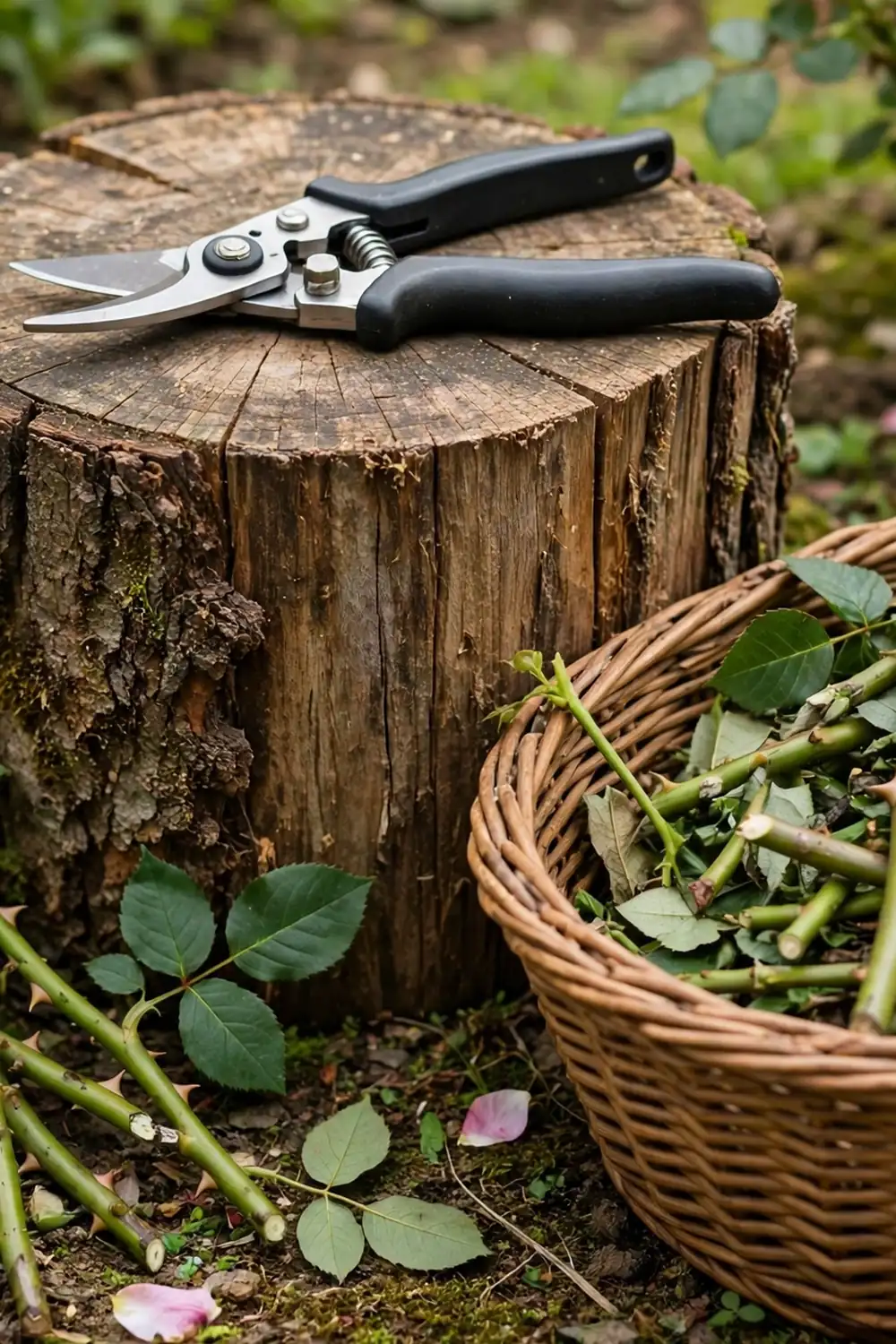
Many gardeners approach pruning with a mixture of enthusiasm and fear, hacking back in spring because that is when they have always done it, or avoiding the secateurs entirely for fear of killing something. Expert pruning is calmer than either extreme. Every cut should have a reason: to remove dead, damaged or diseased wood; to open the centre of a shrub so air and light can reach it; to encourage flowers or fruit; or to keep a plant within its allotted space. If you cannot name the reason for a cut, leave the branch alone.
Timing depends on what you are pruning, and getting it broadly right matters more than getting it perfect. As a rule, prune spring-flowering shrubs straight after flowering, so you do not cut off next year’s buds. Prune summer-flowering shrubs and roses in late winter or early spring, before growth starts. Cut out dead wood at any time of year, the moment you spot it. And always use sharp, clean tools. Blunt secateurs crush stems and leave ragged wounds that invite disease, while dirty blades spread infection from one plant to the next. A quick wipe with disinfectant between plants takes seconds and prevents real trouble.
Learn the three-cut rule for larger branches
When removing a branch thicker than your thumb, never cut it flush in one go, or the weight of the falling branch will tear bark down the trunk. Instead, make a first cut from underneath, about thirty centimetres out from the trunk, then a second cut from above slightly further out, so the branch falls cleanly. Finally, remove the remaining stub just outside the branch collar, the slightly swollen ring where the branch meets the trunk. The tree will seal that wound itself. Painting wounds with sealant is no longer recommended, as it can trap moisture and infection beneath the coating.
Do not be afraid to be bold with the right plants
Some plants positively demand bold pruning. Shrub roses, buddleia, lavatera and hardy fuchsias can be cut back hard in spring and will repay you with vigorous new growth and far better flowers. Others, such as lilac, philadelphus and forsythia, flower on last year’s wood, so hard spring pruning would remove a whole season of bloom. The difference is worth learning for the dozen plants you actually grow, rather than trying to memorise rules for plants you will never own. A notebook by the back door, with one line per plant and its pruning month, is an expert habit that costs nothing.
Keep on Top of Weeds, Pests and Disease
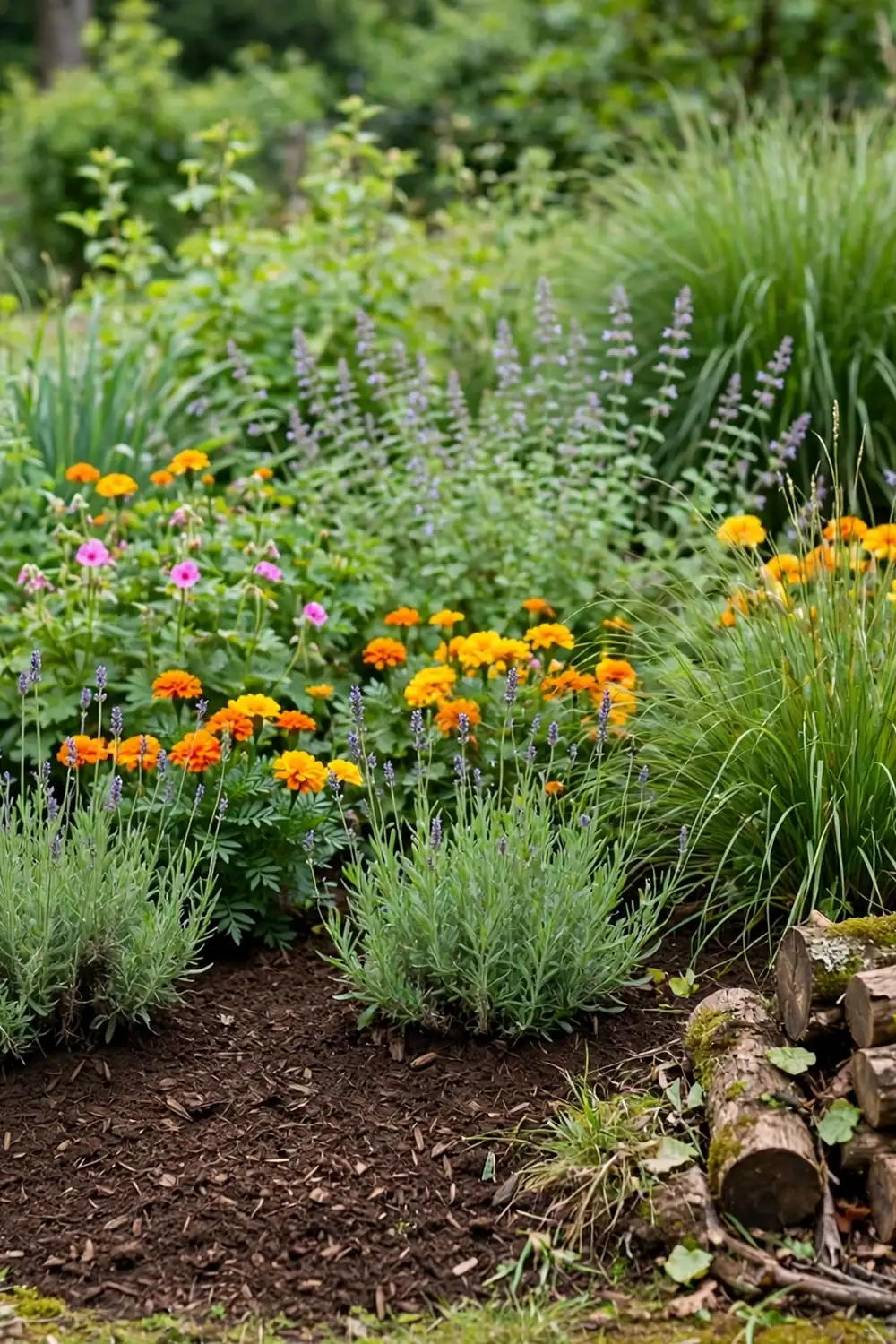
Weeds are not a moral failing. They are simply plants growing where you do not want them, and they thrive on the same good soil and sunshine your chosen plants enjoy. The expert approach is little and often: ten minutes of hoeing on a dry day, when seedlings are tiny and the sun will wither them where they fall, is worth more than a heroic weekend once the weeds have seeded. Mulch, as already mentioned, is your best ally, because most weed seeds need light to germinate. A thickly mulched border may still produce a few weeds, but they will pull out easily from the loose surface.
Perennial weeds with deep roots, such as bindweed, couch grass and dandelions, need a different strategy. Pulling off the top growth alone simply encourages them. Dig out as much root as you can, and repeat whenever regrowth appears. Persistence, not strength, wins this battle. For paths and patios, a stiff brush and a kettle of boiling water will deal with most weeds without chemicals, and sweeping regularly prevents seeds from settling in cracks in the first place.
Tolerate a little damage, and let nature help
A garden with no insect damage at all is usually a garden with no wildlife either, and wildlife is your free pest control. Birds eat caterpillars, frogs eat slugs, and ladybirds and lacewings devour aphids by the thousand. Before reaching for a spray, ask whether the damage actually matters. A few holes in hosta leaves are unsightly but rarely fatal, while a plant smothered in aphids may recover completely once predators arrive, often within a week. Encourage those predators with a small log pile, a patch of long grass, and a birdbath, and keep a few sacrificial plants, such as nasturtiums, which aphids prefer to your roses.
Spot disease early and act fast
Most garden diseases, from rose black spot to mildew on courgettes, start small and spread fast in warm, damp, still air. The expert response is immediate: remove affected leaves, never compost diseased material, and improve air circulation by spacing plants properly and pruning crowded growth. Water at the base rather than overhead, and clear fallen leaves from around roses in autumn, since fungal spores overwinter in the debris. Resistant varieties are also worth seeking out. Modern rose breeding, for example, has produced varieties with far better disease resistance than older favourites, and choosing one can save years of spraying and disappointment.
Good design supports good care here too. A garden planned with structure, layers and breathing room between plants, as described in our guide to garden design tips for UK gardens, will always suffer less disease than a crammed, airless border. Likewise, the principles of building a deep, well-planted border in our guide to creating stunning garden borders make weeding and watering easier, because dense, healthy planting leaves little room for weeds to establish.
Work With the Seasons, Not Against Them
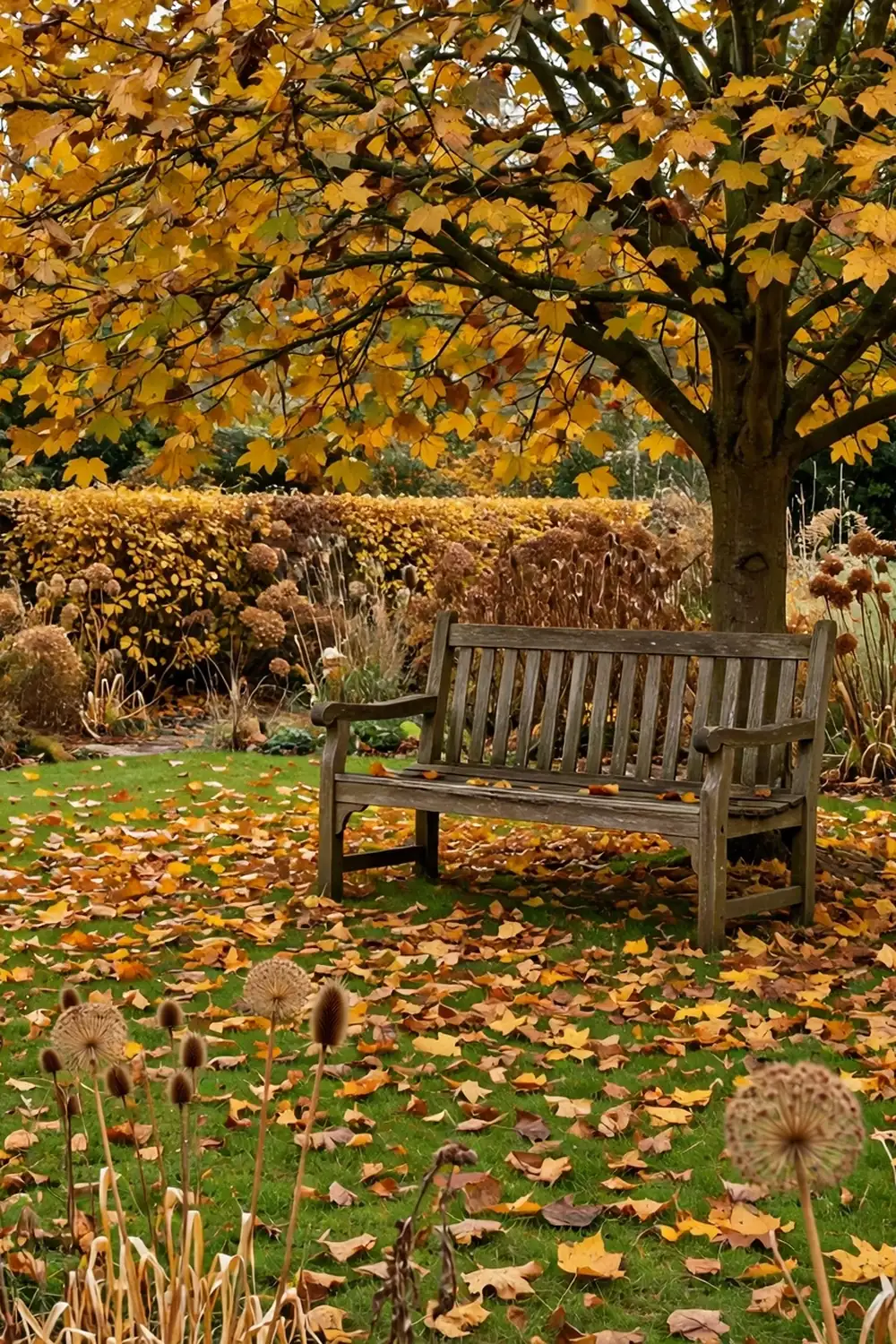
The gardening year has a rhythm, and experts work with it rather than fighting it. Spring is for feeding, mulching, sowing and planting, while the soil is warming and plants are hungry. Summer is for watering, deadheading and enjoying the results, with regular deadheading of roses, dahlias and sweet peas encouraging weeks of extra flowers. Autumn is the great planting season: soil is still warm, rain is returning, and shrubs, trees and bulbs planted now will establish roots all winter and burst into growth in spring. Winter is for pruning, planning, tool care and ordering seeds, jobs that are far easier when the garden is quiet.
Deadheading deserves a special mention, because it is the smallest job with the largest payoff. Removing faded flowers before they set seed tells the plant to produce more blooms instead of putting energy into seed production. With roses, cut back to just above an outward-facing bud. With dahlias and cosmos, pick flowers regularly for the house and the plants will keep producing until the first frost. The exception is plants grown for their seed heads or berries, such as honesty, teasels and rowan, which should be left standing for birds and for winter beauty.
Protect tender plants before the first frost
Do not wait for a forecast of frost to think about tender plants. By October, move pots of pelargoniums, citrus and tender herbs into a greenhouse, porch or bright windowsill. In the garden, wrap the crowns of tree ferns and bananas with straw and horticultural fleece, and lift dahlia tubers after the first frost blackens their foliage, storing them somewhere cool and frost-free. A few evenings spent on protection in autumn will save you the cost and disappointment of replacing beloved plants in spring.
Keep a garden diary
Perhaps the most underrated expert habit is writing things down. Note when you sowed seeds, which variety performed best, where the frost pocket sits, and which corner dries out first. Photograph the garden once a month from the same spot. Within a year, you will have a record far more useful than any general advice, because it describes your garden, your soil and your climate. Gardening is a long game, and the gardener who learns from last year always outperforms the gardener who starts each spring from scratch.
For inspiration on how professional gardeners combine care, structure and planting on a grand scale, a visit to a great botanical garden is hard to beat. The glasshouses and themed plantings described in our guide to the largest botanical garden on earth show what sustained, knowledgeable care can achieve, and you will return home with fresh ideas for your own plot.
Good to Know
Before you overhaul your routine, a few practical points will keep your efforts effective and safe. First, always read the label on feeds, sprays and soil improvers, and apply them at the stated rate. More is not better: excess fertiliser burns roots, excess spray harms pollinators, and both waste money. Second, wear gloves when handling manure, compost and thorny prunings, and wash your hands after gardening, particularly before eating. Soil is a living material, and sensible hygiene costs nothing.
Third, remember that gardens are shared spaces. Check for nesting birds before cutting hedges between March and August, and avoid disturbing them if you find a nest. Keep bonfires rare and small, since a garden bonfire can destroy the very wildlife that protects your plants, and many neighbours would rather you composted instead. Finally, be patient with new plantings. A shrub may take two or three years to settle and show its true character, and a garden that looks sparse in its first spring can look abundant by its third summer. Expert care is not about instant results. It is about steady, observant attention that compounds season after season.
FAQ
What is the single most important expert garden care tip?
Improve your soil with organic matter every year. Healthy, humus-rich soil holds water and nutrients, drains well, and supports the organisms that keep plants fed. Almost every other problem, from poor flowering to drought stress, is easier to solve in good soil than in poor soil.
How often should I feed my garden plants?
Most border plants benefit from a general feed in spring, followed by liquid feeds every two weeks for heavy feeders such as roses, dahlias and container plants through the growing season. Always feed onto moist soil, and stop nitrogen-rich feeding by early autumn so growth can harden before winter.
How much should I water, and when?
Water deeply and less often, rather than lightly every day, so roots grow downwards. Water in the morning or evening, directing water at the soil around the base of the plant. Newly planted trees and shrubs need a good weekly soak in dry weather for their first two years.
When is the best time to prune?
It depends on the plant. Prune spring-flowering shrubs straight after flowering, and summer-flowering shrubs and roses in late winter or early spring. Remove dead, damaged or diseased wood at any time of year, and always use sharp, clean secateurs for a clean cut.
How can I control slugs and aphids without chemicals?
Encourage natural predators by providing bird baths, log piles and a patch of long grass, and tolerate minor damage while predators build up. Pick slugs off by hand in the evening, use beer traps or copper tape around vulnerable pots, and wash aphids off with a strong jet of water or let ladybirds and lacewings do the work.
What should I do in the garden each autumn?
Autumn is the best planting season for trees, shrubs and bulbs, since the soil is warm and moist. Mulch borders, clear diseased leaves from around roses, protect tender plants before frost, and leave seed heads standing for birds. A little autumn work sets up the whole of the following year.