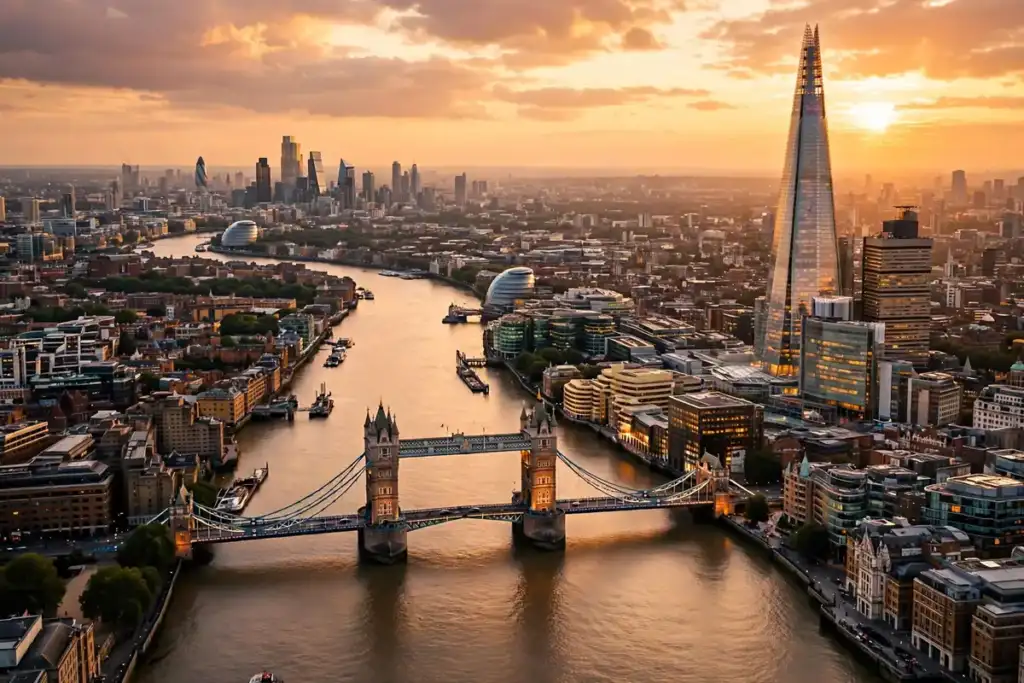
London is one of those rare cities that rewards both careful planning and happy wandering. You can spend a morning staring up at a thousand years of history, an afternoon wandering through a market that smells of fresh flowers and street food, and an evening watching the skyline turn gold from a riverside walk. It is big, busy and wonderfully varied, which is exactly why a short, honest list helps: it stops you trying to see everything and lets you enjoy the things that matter most.
This guide brings together seventeen of the best things to do in London, chosen for first-time visitors and returning travellers alike. There are world-famous landmarks, free museums, green escapes, characterful neighbourhoods and experiences that feel properly London, from a West End show to a boat ride along the Thames. Mix and match them to suit your pace, your budget and the weather, and you will leave with a trip that feels full without feeling frantic.
Iconic Sights You Should Not Miss
Start with the landmarks that define London in photographs and in memory. They are popular for a reason, and seen at the right time of day, with a little patience, they are genuinely thrilling rather than merely famous.
1. Stand Beneath Big Ben and the Houses of Parliament
There is no better introduction to London than Westminster. The clock tower, officially the Elizabeth Tower, rises above the River Thames beside the grand Gothic bulk of the Houses of Parliament, and the whole scene feels like a postcard come to life. Walk across Westminster Bridge for the classic view, then linger on the embankment to watch boats pass and street performers gather. If you have time, explore the surrounding streets on foot: Whitehall, with its government buildings and monuments, leads towards Trafalgar Square, and the walk itself is a lesson in British history. Come early in the morning or towards dusk for quieter pavements and softer light, and remember that this is a working seat of government as well as a landmark, so the atmosphere changes with the rhythm of the day.
2. Ride the London Eye for a Slow, Sweeping Panorama
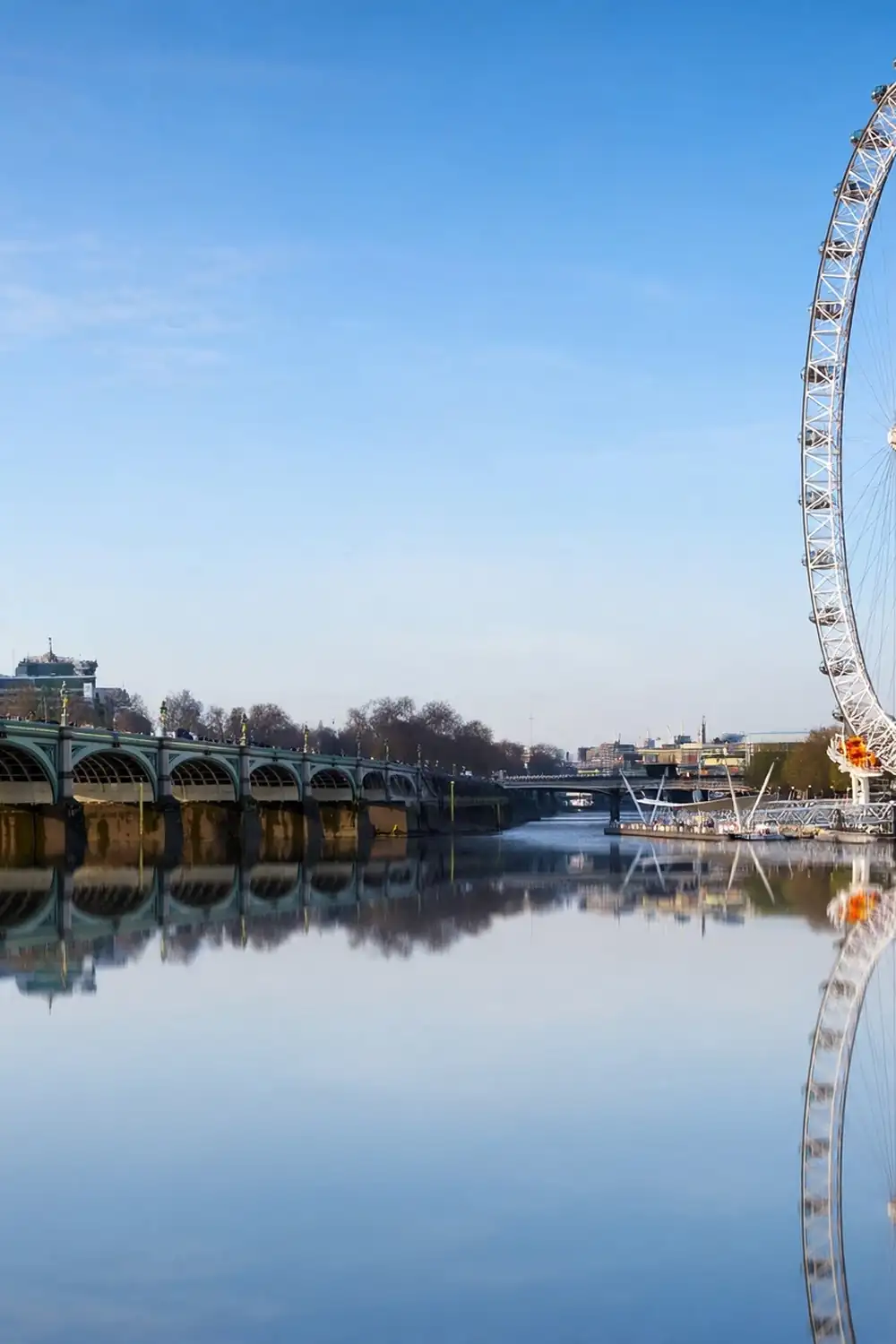
The London Eye turns so gently that you barely feel it move, yet within half an hour you have seen the city from a completely new angle. From the top of the wheel, the Thames curls away in both directions, the parks appear as green islands among the rooftops, and landmarks that felt separate on the ground suddenly make sense as one connected city. It is an especially good first-day activity because it helps you build a mental map: you will spot the Shard, St Paul’s Cathedral, the Tower and the sweep of the West End, and later, when you walk those streets, they will feel familiar.
3. Cross Tower Bridge and Explore the Tower of London
Tower Bridge is often mistaken for London Bridge, but once you see its twin blue towers and lifting bascules, you will never confuse them again. Walk across the high-level walkways for views up and down the river, then head to the Tower of London just beside it. This fortress has been a palace, a prison, a treasury and a zoo over its long life, and its thick stone walls still carry that weight of history. Inside, you can see the Crown Jewels, walk the medieval walls, and hear stories from the Yeoman Warders that bring centuries of intrigue to life. Allow a good half-day for the pair, wear comfortable shoes, and check official opening details before you go, as hours and special exhibitions can change with the season.
4. Climb to a Free Skyline View at Sky Garden
London’s best views do not always come with a ticket price. Sky Garden, set high above the City of London, offers a leafy indoor garden and a sweeping panorama across the Thames, the Tower and the Shard, all without the cost of many paid viewpoints. It is a calm, bright space where landscaped planting softens the glass and steel around you, and on a clear day you can pick out landmarks for miles. Because free timed entry is popular, it pays to plan ahead and read up on how visiting works before you arrive. Our guide to inside London Sky Garden explains what to expect, from the gardens themselves to the best times to visit, so you can enjoy the view rather than worry about the logistics.
Museums, Galleries and Culture
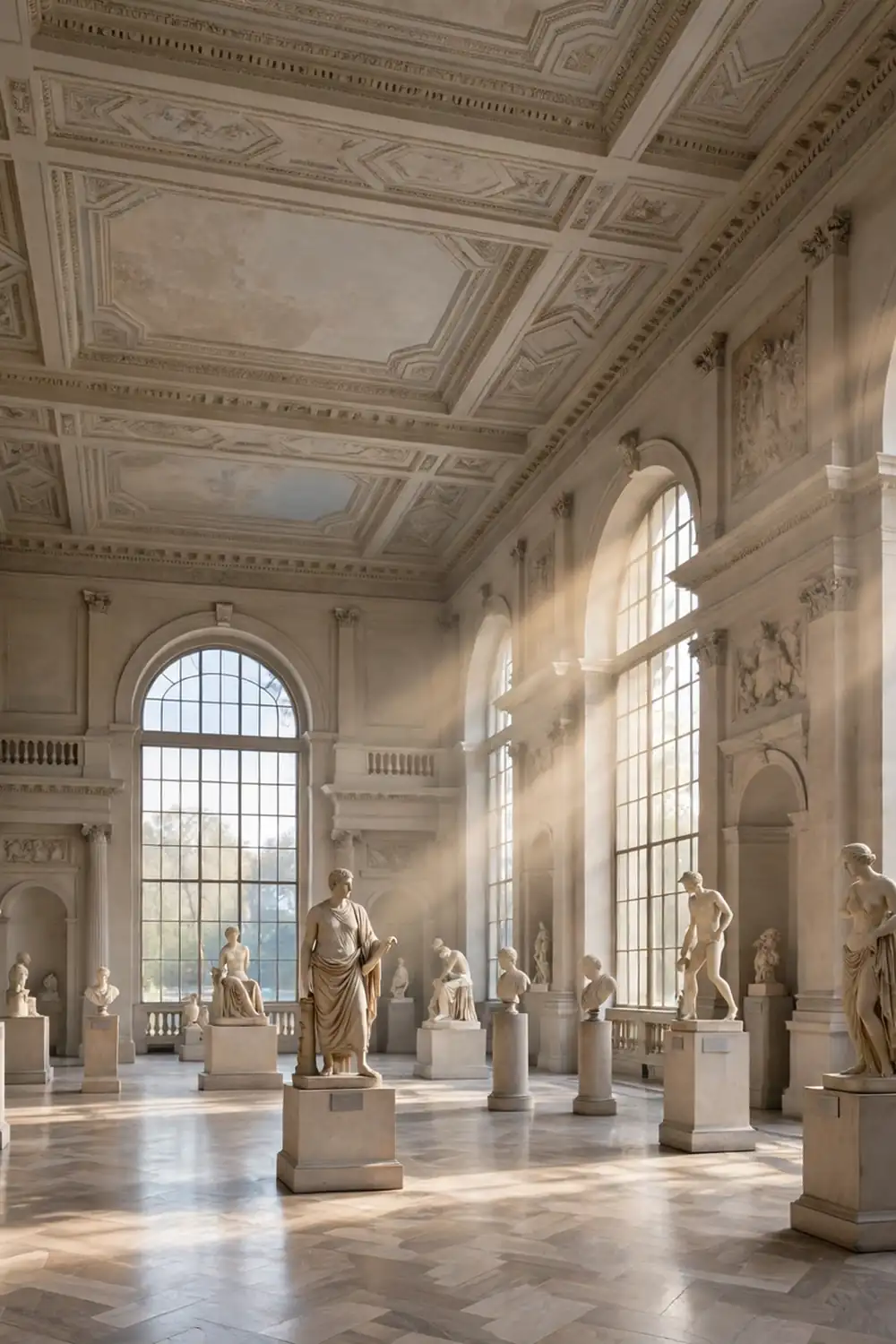
One of London’s greatest gifts to visitors is the sheer quality of its free museums and galleries. You can walk into world-class collections without paying an entrance fee, then choose to spend on a special exhibition, a guidebook or a coffee in the courtyard instead. Culture here is not reserved for experts: it is welcoming, hands-on and easy to dip into for an hour or a whole day.
5. Lose a Morning in the British Museum
The British Museum holds one of the largest collections in the world, spanning continents and millennia, from Egyptian mummies and the Rosetta Stone to Greek sculpture and treasures from Africa, Asia and the Americas. The building itself is worth the visit: the Great Court, with its soaring glass roof, is one of the most beautiful indoor spaces in London. Because the museum is vast, it helps to pick a theme rather than trying to see everything. Choose two or three galleries that genuinely excite you, take breaks in the courtyards, and let the rest wait for another visit. Free entry makes it easy to return, and that is part of the pleasure: London rewards repeat visits rather than rushed ticking-off.
6. Meet Dinosaurs and Diamonds at the Natural History Museum
Few museums make science feel as magical as the Natural History Museum in South Kensington. Its cathedral-like Hintze Hall, with a blue whale skeleton suspended overhead, sets the tone before you have seen a single exhibit. Children head straight for the dinosaurs, and adults are often just as captivated by the galleries on volcanoes, earthquakes, human evolution and the natural world. The building is a Victorian masterpiece in itself, with terracotta animals climbing its arches, so look up as well as around. Pair it with the neighbouring Science Museum or the Victoria and Albert Museum if you want a full South Kensington day, but be warned: each deserves more time than you think.
7. Wander the National Gallery in Trafalgar Square
The National Gallery sits proudly on the north side of Trafalgar Square, and its free collection covers seven centuries of Western European painting, from medieval altarpieces to Van Gogh’s Sunflowers and Monet’s water lilies. You do not need to know art history to enjoy it. Start with the paintings you recognise, then let curiosity lead you into quieter rooms where you may discover a portrait or landscape that stops you in your tracks. The gallery’s location makes it an easy addition to a Westminster walk, and its café and shop are good places to rest tired feet. If you visit on a Friday evening, when opening hours are often extended, you may find a calmer, more atmospheric experience.
8. Catch a Show in the West End
No trip to London feels complete without an evening in the West End, the city’s glittering theatre district around Shaftesbury Avenue, Covent Garden and Soho. From long-running musicals and classic plays to daring new writing and family favourites, there is something for almost every taste and budget. Same-day tickets can sometimes be found at reduced prices, but for the most popular shows it is worth booking ahead, especially on weekends. Arrive early enough to soak up the atmosphere: the neon lights, the pre-show buzz in nearby restaurants and bars, and the sense that you are part of a tradition that stretches back centuries. Even if theatre is not usually your thing, a West End night often becomes the memory people talk about most when they get home.
Gardens, Parks and Riverside Walks
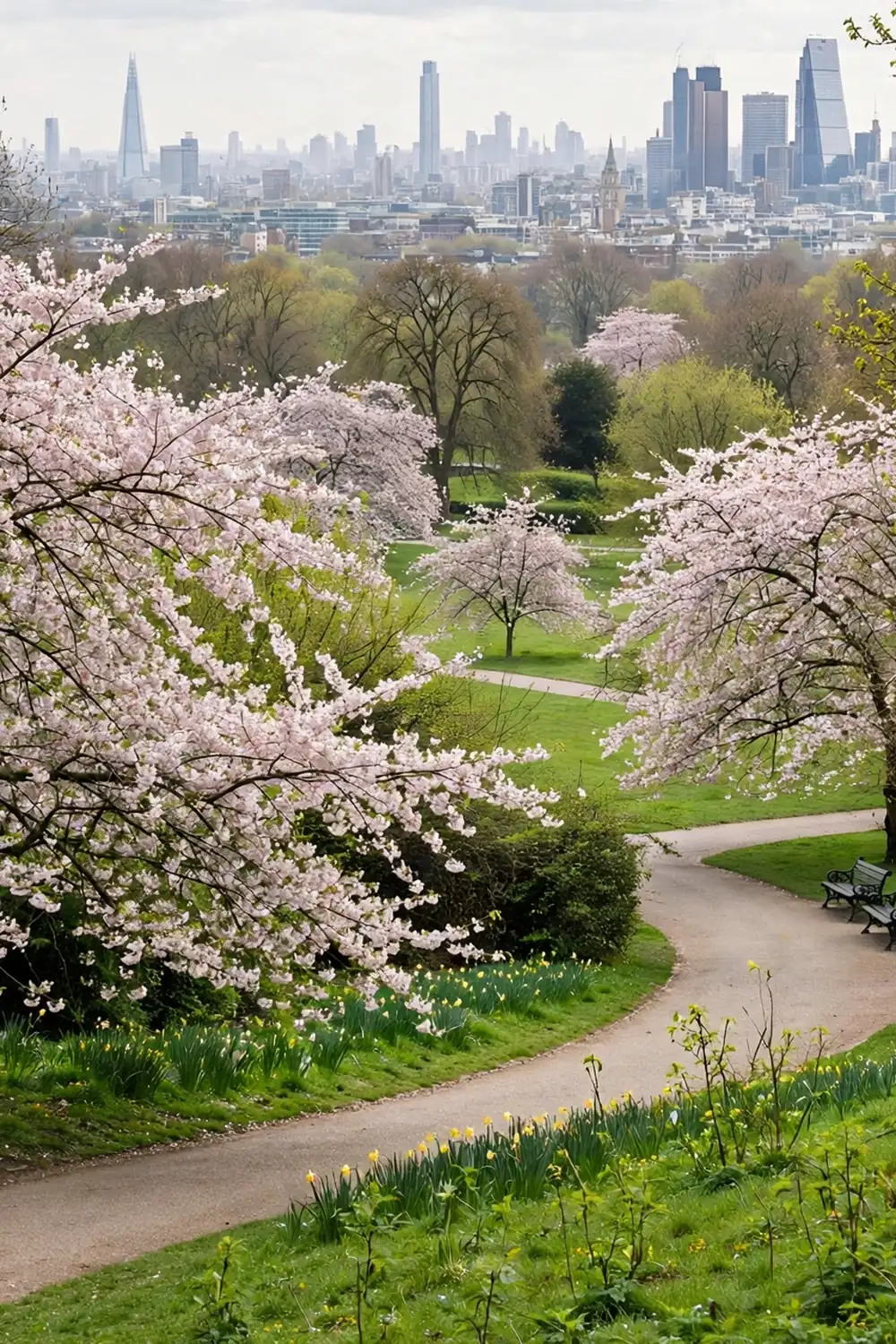
London is far greener than first-time visitors expect. Almost half the city is green space, from grand royal parks to tiny garden squares, and the Thames Path ties many of them together with long, flat riverside walks. These are the places to slow down, have a picnic, watch the city go by and remember that London is a place where people live, not just a collection of attractions.
9. Stroll Through Hyde Park and Kensington Gardens
Hyde Park and Kensington Gardens form one vast green heart in central London, and together they offer something for every mood. You can hire a rowing boat on the Serpentine, wander beneath plane trees towards Kensington Palace, find the Diana Memorial Playground if you are travelling with children, or simply sit on a bench with a coffee and watch joggers, dog walkers and tourists share the paths. In spring, the flower beds burst into colour; in autumn, the leaves turn gold and the light feels almost cinematic. It is also a practical pleasure: the parks sit between major museums, shopping streets and neighbourhoods, so a walk through them often becomes the most relaxing part of an otherwise busy day.
10. Walk the South Bank from Westminster to Tower Bridge
If you only take one walk in London, make it the South Bank. Starting near Westminster Bridge and heading east towards Tower Bridge, this riverside promenade passes the London Eye, the Royal Festival Hall, the Tate Modern, Shakespeare’s Globe and Borough Market, with the Thames always beside you and the skyline always changing. Street performers, book stalls, food vendors and public art give it a festival feel, especially on sunny weekends, yet there are quiet stretches too where you can sit on a wall and watch the boats. The route is flat and well signposted, making it suitable for pushchairs and wheelchairs, and it works beautifully at different times of day: bright and lively in the afternoon, golden and romantic as the sun sets.
11. Escape to Kew Gardens for a Day Among Plants
For a slower, more immersive escape, head west to Kew Gardens, a UNESCO World Heritage Site that feels like a world away from central London. Its glasshouses, including the soaring Palm House and the misty Temperate House, shelter plants from every climate, while outdoor trails lead through woodland, lakes and seasonal flower displays. The Treetop Walkway offers a bird’s-eye view of the canopy, and the Children’s Garden gives younger visitors a place to climb, splash and explore. Kew is a full-day outing rather than a quick stop, so bring comfortable shoes, check what is in bloom, and allow time simply to wander. It is a reminder that London’s green spaces are not just pretty backdrops: they are living collections, carefully tended and endlessly fascinating.
Neighbourhoods, Markets and Shopping
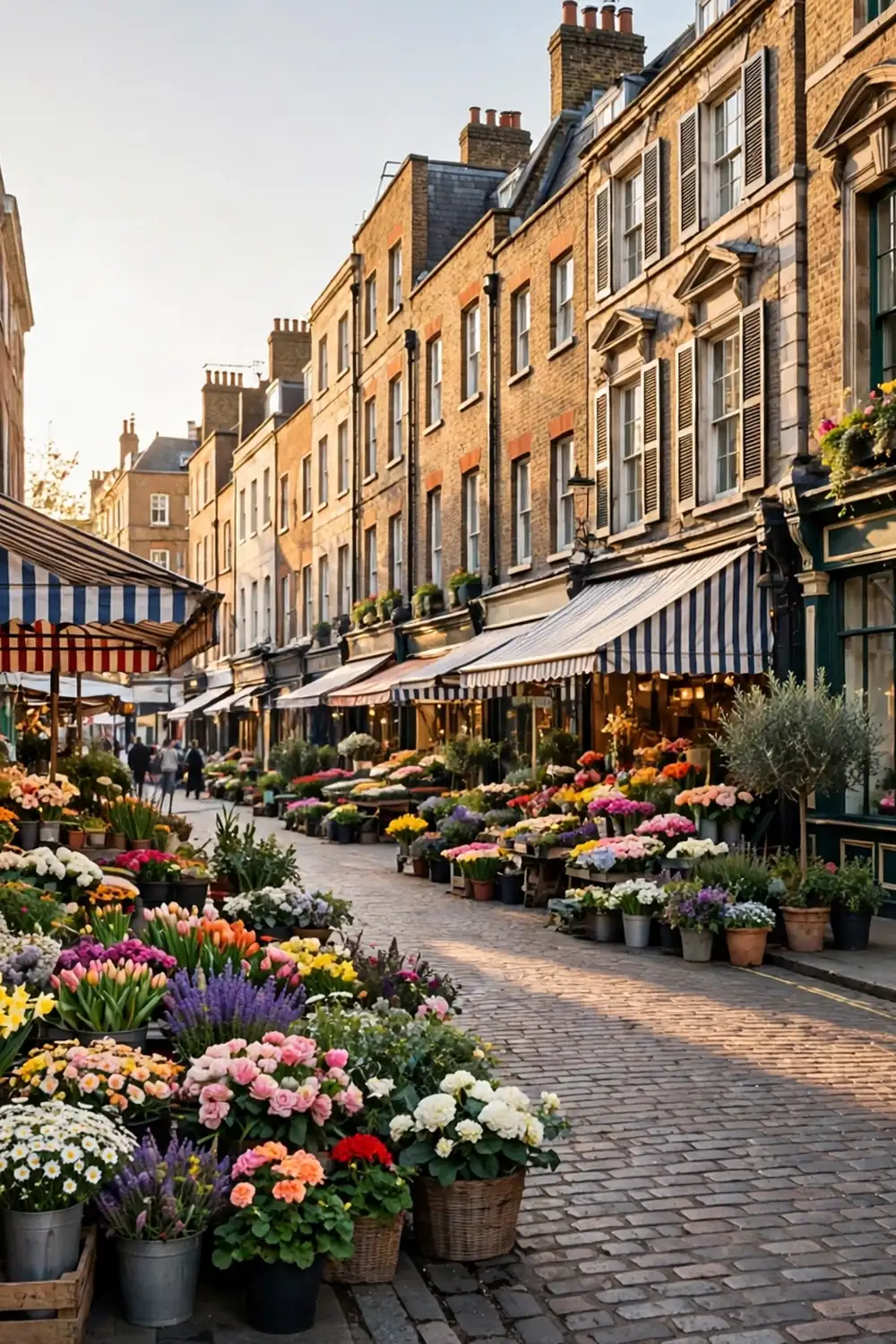
London’s neighbourhoods each have their own personality, and wandering between them is one of the city’s great pleasures. One hour you are browsing a historic market hall, the next you are sipping coffee in a village-like square or hunting for vintage finds down a side street. Leave time in your itinerary for unplanned exploring: it is often in these in-between moments that London feels most alive.
12. Get Lost in Covent Garden and Soho
Covent Garden and Soho sit side by side in the West End, yet they feel quite different. Covent Garden centres on its elegant piazza and market buildings, where street performers entertain crowds, independent shops and restaurants fill the arcades, and the Royal Opera House adds a touch of grandeur. Soho, just to the north, is denser, livelier and more eclectic, with narrow streets packed with theatres, jazz bars, international restaurants and late-night cafés. Together they make a perfect afternoon: browse in Covent Garden, eat in Soho, and let the crowds, colours and sounds wash over you. If you prefer a quieter experience, come on a weekday morning before the lunch rush, when the streets feel more local and less hurried.
13. Hunt for Treasures at Borough Market and Camden Market
London’s markets are a feast for the senses, and two stand out for very different reasons. Borough Market, near London Bridge, is the city’s most famous food market, with stalls selling everything from artisan cheese and freshly baked bread to global street food and seasonal produce. Come hungry, graze your way around, and don’t be afraid to chat with traders: many are passionate about what they sell and happy to offer tastings. Camden Market, in north London, is louder, bolder and more alternative, with canal-side stalls, vintage clothing, handmade crafts and street food from around the world. The walk along Regent’s Canal to Camden is a pleasure in itself, and the market’s energy makes it a favourite with younger visitors and anyone who loves a bargain with character.
14. Shop and People-Watch in Carnaby Street and Oxford Street
For shopping with atmosphere, head to Carnaby Street, a pedestrianised warren of independent boutiques, colourful facades and cafés that still carries a hint of its swinging sixties heyday. It is far more relaxed than the big department-store streets, and ideal for finding something a little different to take home. Oxford Street, by contrast, is London shopping on a grand scale: mile after mile of flagship stores, from Selfridges at the Marble Arch end to the bustle around Oxford Circus. It can be crowded, especially on Saturdays, but it is worth experiencing at least once, if only to people-watch and soak up the energy. If crowds are not your thing, duck into the quieter side streets off Oxford Street, where smaller shops and cafés offer a calmer alternative.
Evenings, Food and Unforgettable Experiences
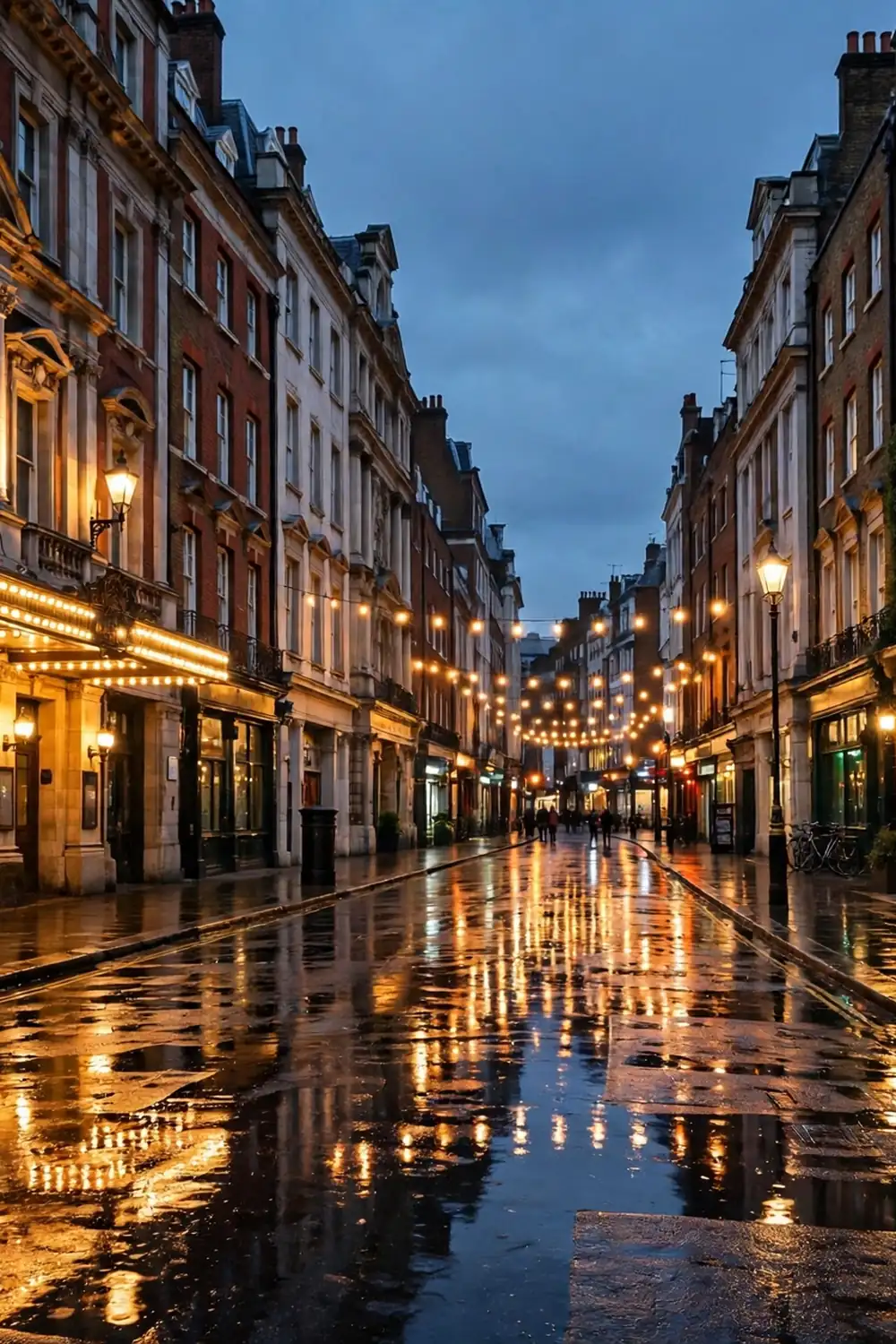
London changes character as evening falls. The landmarks light up, the restaurants fill, and the city takes on a softer, more romantic glow. These final experiences are about savouring that shift: a boat ride at sunset, a meal that spans the globe, and a last walk through streets that feel both historic and alive.
15. Take a Thames Boat Ride at Sunset
Seeing London from the water is a different experience entirely, and sunset is the best time to do it. As the light fades, the bridges and buildings along the Thames begin to glow, and the city seems to slow down just a little. Boat services run between Westminster, the London Eye, Tower Bridge and Greenwich, so you can choose a short hop or a longer cruise, and many services double as practical transport as well as sightseeing. Sit on the open deck if the weather allows, wrap up warm on cooler evenings, and keep your camera ready: the view of Tower Bridge opening, or of the Shard catching the last light, is one of London’s great small pleasures.
16. Eat Your Way Around the World in One City
London is one of the best food cities on earth, not because of a single signature dish, but because you can eat food from almost every country without leaving the city. Start with the classics: fish and chips by the sea of people in a traditional chip shop, a full English breakfast in a neighbourhood café, or a Sunday roast in a cosy pub. Then branch out: Brick Lane for curry, Chinatown for dumplings and noodles, Borough Market for artisan treats, and Soho for everything from ramen to modern British small plates. Food halls and markets make it easy to try a little of everything, and many of the best meals in London are casual, affordable and unpretentious. If you are visiting on a budget, lunch menus, market stalls and early-evening deals are your friends.
17. End the Day with a View, a Pub or a Night Walk
However you spend your days, end at least one of them with a proper London evening. Find a rooftop bar or a high viewpoint and watch the city light up, then wander down to a traditional pub for a pint and a chat with locals and fellow travellers alike. London’s pubs are institutions: warm, wood-panelled rooms where history feels close and conversation flows easily. If you still have energy, take a night walk along the South Bank or through Covent Garden, where the streets stay lively well into the evening. It is a gentle, memorable way to say goodbye to the city each night, and it often produces the quiet moments you remember long after the big attractions have blurred together.
Good to Know
Before you go, a few practical tips will make your trip smoother. London’s public transport is excellent: use a contactless card or an Oyster card for the Tube and buses, and remember that buses do not accept cash. Walking is often faster than the Tube for short central journeys, and it lets you discover far more. Book popular attractions in advance where possible, especially the Tower of London, the London Eye and West End shows, and check whether free timed entry is required for viewpoints like Sky Garden. Finally, pack for changeable weather: layers, a waterproof jacket and comfortable shoes will serve you better than a single heavy coat, whatever the season.
If this is your first trip, our guides for first-time visitors to London and the best day trips from London will help you plan beyond the city itself, from practical first-day advice to easy escapes to Windsor, Oxford and the coast. London rewards a little preparation, but it also rewards spontaneity, so leave gaps in your schedule for the café you stumble upon, the market stall you did not expect, and the view that stops you mid-stride.
Seventeen things may sound like a lot, but London contains multitudes, and this list is really a starting point rather than a finish line. Choose the sights that excite you, linger where you feel happiest, and don’t worry about the rest: the city will still be here, ready for your next visit, with new neighbourhoods, exhibitions and experiences waiting to be discovered.
FAQ
How many days do I need in London?
Three to four days gives you a good taste of the highlights without rushing, while five to seven days lets you explore neighbourhoods, museums and day trips at a relaxed pace. Even a single well-planned day can cover several iconic sights if you group them by area, such as Westminster and the South Bank, or South Kensington’s museums.
What are the best free things to do in London?
Many of London’s best experiences are free, including the British Museum, the National Gallery, the Natural History Museum, Sky Garden’s viewpoints, the South Bank walk, and the city’s parks and markets. Walking, window-shopping and people-watching cost nothing and often become the most memorable parts of a trip.
Is London expensive for visitors?
London can be expensive, especially for hotels and popular attractions, but it is very possible to visit on a budget. Free museums, market food, public parks, walking tours and advance-booked tickets all help, as does staying slightly outside the very centre and using public transport rather than taxis.
What is the best time of year to visit London?
Spring and early autumn offer mild weather, blooming parks and fewer crowds than high summer, while summer brings festivals, long evenings and outdoor events. Winter has festive markets, ice rinks and beautifully lit streets, though days are short and rain is more likely. Each season has its own charm, so choose based on what you most want to do.
Do I need to book attractions in advance?
For the most popular paid attractions and West End shows, booking ahead is strongly recommended, especially on weekends and during school holidays. Some free venues, including Sky Garden, use timed entry, so check the official booking information before you travel to avoid disappointment.
Is London easy to get around without a car?
Yes, London is one of the easiest major cities to explore without a car. The Tube, buses, trains and river services cover the whole city, and central London is very walkable. A contactless payment card or Oyster card is all you need for most journeys, and cycling and walking are excellent options for shorter distances.





2 thoughts on “17 Things to Do in London: Iconic Sights, Hidden Corners and Perfect Days Out”