London can feel overwhelming at first, because the list of famous sights seems endless and every guide promises a different set of must-sees. The truth is simpler: a great London trip mixes a handful of iconic landmarks with a few museums, a market morning, a riverside walk and at least one quiet corner that most visitors never find. This list of 23 things does exactly that, balancing the classics with the city’s smaller pleasures.
Work through the list in any order, or pick a section per day. The iconic sights suit a first morning, the museums suit a rainy afternoon, the markets suit a hungry lunchtime, and the hidden corners suit the moment when the crowds start to feel like too much. Together, they add up to a London that feels both grand and personal.
Iconic London First
These are the sights that define London in the world’s imagination, and they earn their fame. Visit them early in the day where possible, book timed tickets in advance for the busiest ones, and allow time simply to stand and look, since the scale of these places is part of the experience.
1. Tower of London
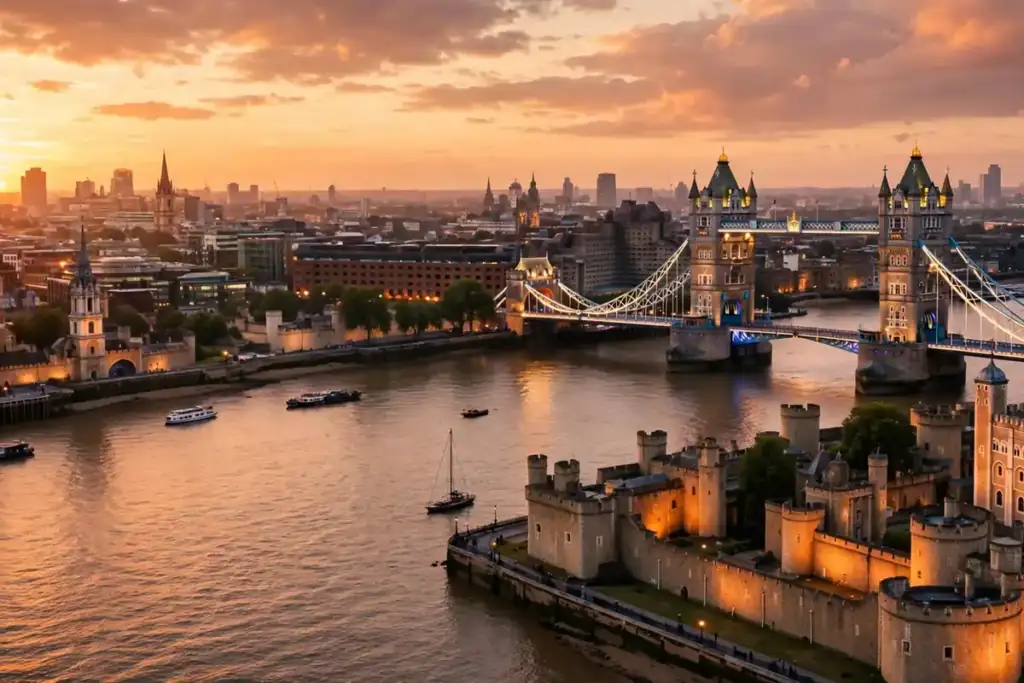
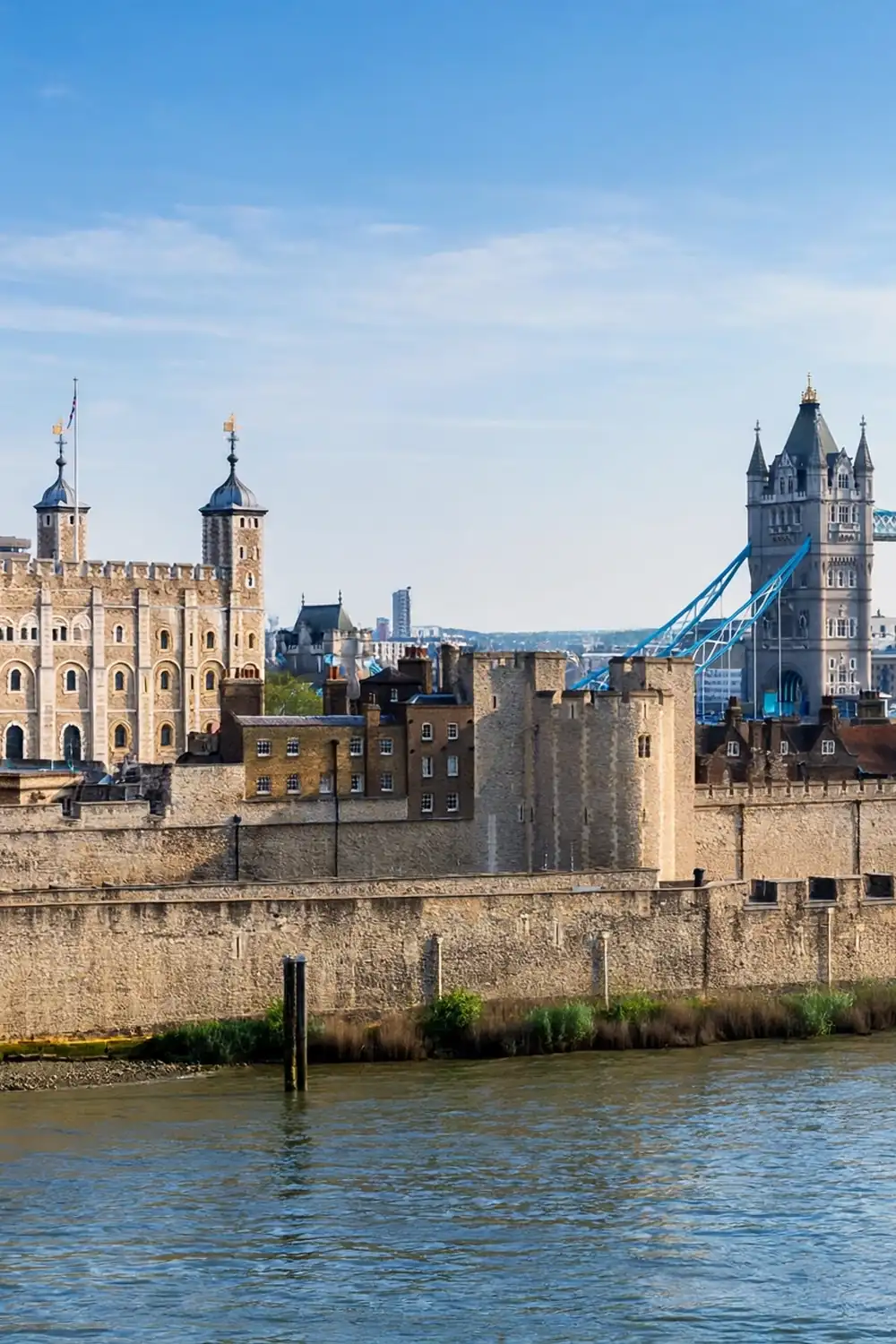
The Tower of London is a fortress, a palace, a prison and a treasure house all in one, standing on the Thames for nearly a thousand years. Its whitewashed walls and ancient towers hold the Crown Jewels, a glittering collection that draws a steady stream of visitors, so head there first within the Tower to avoid the longest queue. Yeoman Warders, known as Beefeaters, lead entertaining tours included in the ticket, sharing stories of prisoners, plots and royal intrigue that bring the cold stone to life. Allow at least half a day, and do not miss the ravens, whose presence is guarded by tradition.
2. Westminster Abbey
Westminster Abbey has hosted coronations, royal weddings and state funerals for centuries, and its Gothic interior is one of the most beautiful spaces in Britain. The soaring nave, the intricate stone carving and the Poets’ Corner, where writers and poets are remembered, reward a slow visit with an audio guide. Side chapels hold the tombs of kings, queens and statesmen, each with its own story, while the cloisters offer a quieter moment away from the main crowds. Book ahead where possible, and arrive early for the calmest atmosphere in this working church.
3. Buckingham Palace and the Changing of the Guard
Buckingham Palace, the official London residence of the monarch, is best enjoyed from the gates and the Victoria Memorial, especially during the Changing of the Guard ceremony. The ceremony, with its marching bands and precise drill, takes place on selected mornings and draws large crowds, so arrive early for a good viewing spot near the memorial or along The Mall. In summer, the State Rooms open to visitors, offering a rare glimpse of grand staircases, glittering chandeliers and the palace’s art collection. Even without going inside, the palace and its park setting make a fine morning walk.
4. The London Eye
The London Eye, a giant observation wheel on the South Bank, offers one of the clearest introductions to the city’s geography. Each slow rotation takes about half an hour, and the glass capsules give sweeping views across the Thames to Westminster, St Paul’s Cathedral and the towers of the City. Clear days are best, but even a cloudy ride shows how the river bends through the city and how close the major sights sit to each other. Book a timed ticket in advance, and consider a late-afternoon ride, when the light softens and the city begins to glow.
5. Tower Bridge
Tower Bridge is often mistaken for London Bridge, but its twin towers, blue suspension chains and lifting bascules are unmistakable once seen. The bridge’s high-level walkways include glass floors, allowing visitors to look down at the Thames and the traffic below, while the Victorian engine rooms explain how the massive bascules were once raised by steam power. Time a visit to coincide with a bridge lift if possible, when the roadway rises and river traffic passes through. The views from the walkways, towards the Tower of London and downriver to Greenwich, are superb.
6. St Paul’s Cathedral
St Paul’s Cathedral, with its great dome dominating the City skyline, is Sir Christopher Wren’s masterpiece and one of London’s most uplifting interiors. The vast nave, the shimmering mosaics and the Whispering Gallery, where a whisper against the wall can be heard across the dome, delight visitors of all ages. Climb to the Stone Gallery and then the Golden Gallery for panoramic views over the Thames and the rooftops of the City. The climb is steep, with several hundred steps, but the reward at the top is one of the finest viewpoints in London.
Museums and Culture
London’s museums are among the finest in the world, and many of the greatest are free. These six cultural experiences cover ancient history, natural wonders, modern art, theatre and storytelling, and they can fill a rainy day as happily as a sunny one.
7. British Museum
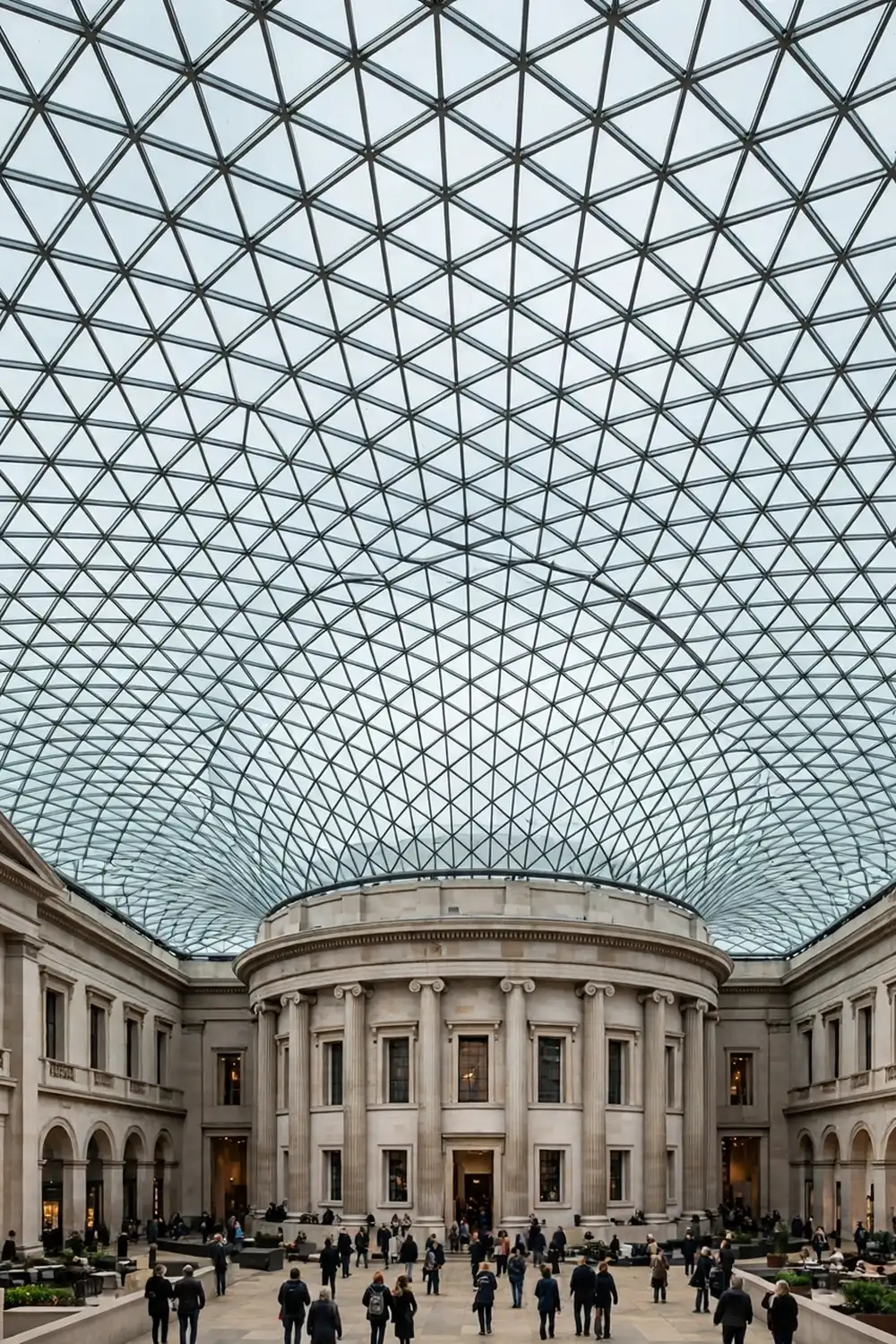
The British Museum holds one of the greatest collections of human history anywhere, from the Rosetta Stone to Egyptian mummies, Greek sculpture and treasures from every continent. Its vast Great Court, covered by a spectacular glass roof, is worth a visit on its own, and the free permanent galleries could fill several days if explored fully. The sensible approach is to choose two or three galleries, such as Egypt, Greece and Asia, and to save the rest for another visit. Free guided highlights tours help first-time visitors find their way through this enormous and fascinating building.
8. Natural History Museum
The Natural History Museum, in its grand Romanesque building in South Kensington, is a favourite with families and a delight for adults too. Its Hintze Hall, with a giant blue whale skeleton diving overhead, sets the tone for galleries covering dinosaurs, volcanoes, gems and the wonders of the natural world. The dinosaur gallery, with its animatronic models and towering skeletons, is the busiest section, so visit it early or late in the day. Entry to the permanent collection is free, though booking a timed slot in busy periods is wise.
9. Tate Modern
Tate Modern, housed in a converted power station on the South Bank, is the world’s most visited modern art museum, and its vast Turbine Hall alone is an experience. The free permanent collection ranges from Picasso and Rothko to contemporary installations that invite visitors to walk through, sit inside or simply stare in wonder. The top-floor viewing level offers a free panorama across the Thames to St Paul’s Cathedral, making it one of the best free viewpoints in the city. Even visitors unsure about modern art usually leave with a favourite work and a fresh opinion.
10. A West End show
A West End show is a London rite of passage, whether the choice is a long-running musical, a classic play or a daring new production. The theatre district around Shaftesbury Avenue and Covent Garden offers something for every taste and budget, from grand musicals in historic auditoriums to intimate plays in small studio theatres. Booking ahead secures the best seats, but same-day discount booths in Leicester Square often release good seats at lower prices. Arrive early, dress comfortably, and allow time for a pre-show meal in nearby Soho.
11. Shakespeare’s Globe
Shakespeare’s Globe, a faithful reconstruction of the original open-air playhouse on the South Bank, brings Elizabethan theatre vividly to life. Standing in the yard as a groundling, close to the stage and exposed to the sky, is the most atmospheric way to see a play here, though seated tickets in the galleries offer shelter and a better view. Guided tours run during the day, explaining how the theatre was rebuilt, how plays were staged in Shakespeare’s time, and how the company works today. The riverside setting, beside the Thames, makes it a perfect stop on a South Bank walk.
12. Sky Garden
Sky Garden, a public garden in the sky on the upper floors of the Walkie-Talkie building in the City, offers free panoramic views across London from landscaped terraces and observation decks. Booking a free timed slot in advance is essential, since demand is high, especially at sunset. Inside, Mediterranean-style planting, restaurants and bars create a relaxed atmosphere far above the busy streets, and the views stretch from the Thames to the towers of Canary Wharf. It is the best free viewpoint in London, and a memorable way to end a day of sightseeing.
Markets, Streets and Everyday London
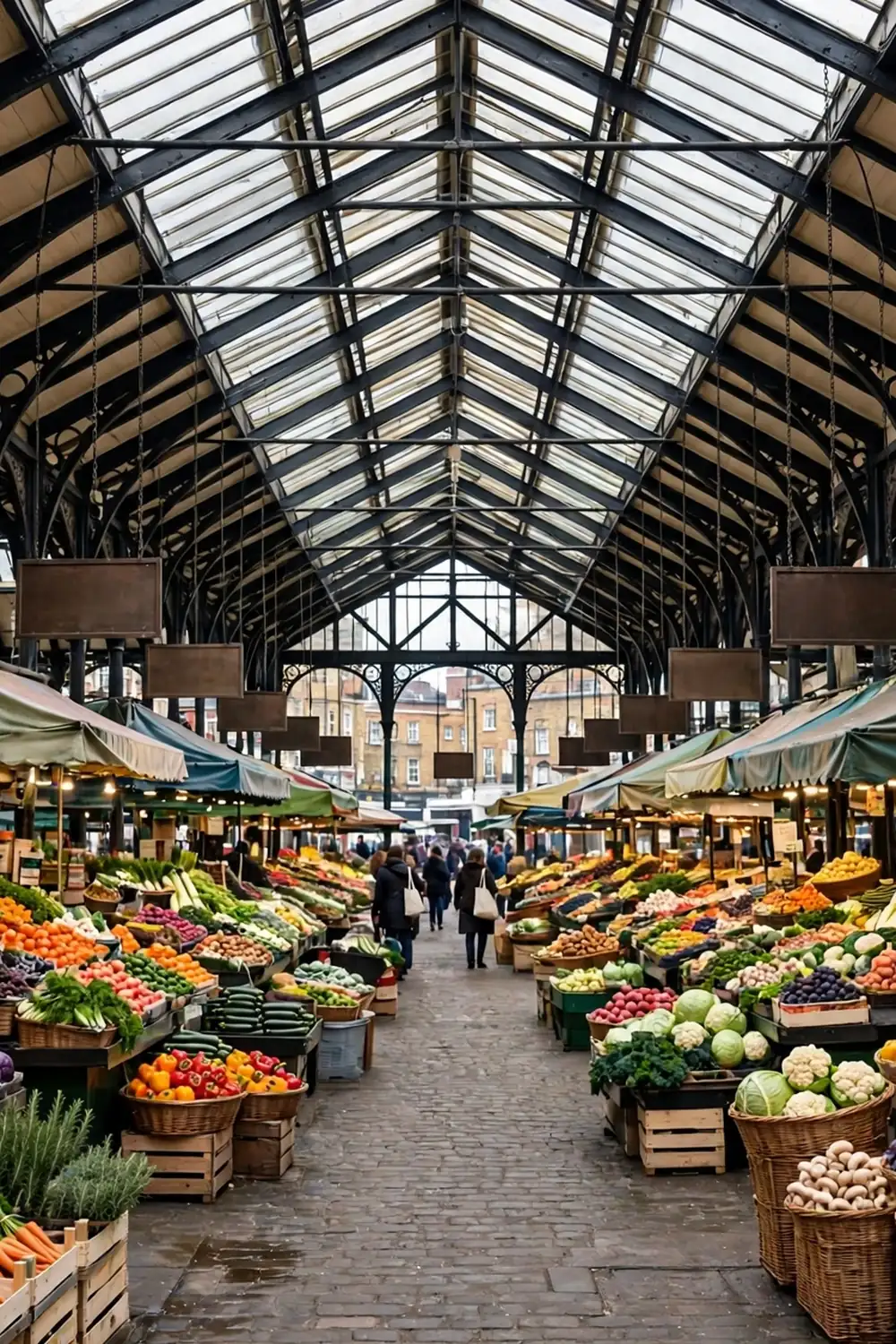
Markets are where London’s everyday life is most visible, and its streets are where the city’s character shows. These five experiences are about tasting, browsing and wandering, and they suit a slower, hungrier kind of day.
13. Borough Market
Borough Market, near London Bridge, is the city’s most famous food market, a covered maze of stalls selling artisan bread, cheese, charcuterie, fresh produce and cooked dishes from around the world. Arrive hungry, graze from several stalls rather than committing to one large meal, and save room for something sweet from a patisserie or chocolate stall. The market is busiest from Thursday to Saturday at lunchtime, so a late-morning visit on a weekday is calmer. The surrounding streets, with their old warehouses and riverside pubs, are worth exploring afterwards.
14. Camden Market
Camden Market, spread across former stables and canal-side yards in north London, is a riot of colour, music and invention. Vintage clothing, handmade jewellery, vinyl records and crafts fill the stalls, while food halls serve dishes from dozens of cuisines, making it an easy lunch stop for groups with different tastes. The market is at its liveliest at weekends, when street performers and crowds fill the lanes, but weekdays offer easier browsing. Finish with a walk along the Regent’s Canal towpath, a peaceful contrast to the market’s cheerful chaos.
15. Portobello Road
Portobello Road in Notting Hill is London’s most famous street market, running for nearly a mile through pastel-painted streets. Saturdays are the great antique day, when dealers fill the arcades and stalls with silver, jewellery, maps and curiosities, while weekdays bring fashion, food and crafts at a gentler pace. Arrive before ten on Saturdays for the best browsing, and leave time to wander the side streets, where colourful houses and small cafes make the neighbourhood itself part of the attraction. Bargaining is polite and expected for antiques, but not for food.
16. Covent Garden
Covent Garden combines a historic market hall, street performers, craft stalls and some of the best shopping streets in central London. The piazza, with its iron-and-glass roof, is home to restaurants, boutiques and the Royal Opera House, while the surrounding lanes hold independent shops, cheese counters and the famous Neal’s Yard courtyard, painted in bright colours. Street performers, from opera singers to magicians, entertain the crowds throughout the day. Visit in the morning or late afternoon to enjoy the piazza before the largest crowds gather.
17. A Soho food crawl
Soho is the best place in London to eat without a plan, thanks to its dense concentration of small restaurants, cafes and bars from every corner of the world. A food crawl here might start with coffee and a pastry, continue with noodles or a small-plate lunch, and finish with gelato or a cocktail in a hidden bar. Weekday lunches offer the best value, with many restaurants serving set menus, while evenings are livelier and busier. Follow the crowds of local diners rather than the touts outside, and let appetite, not a list, decide the route.
Hidden Corners and Quieter Pleasures
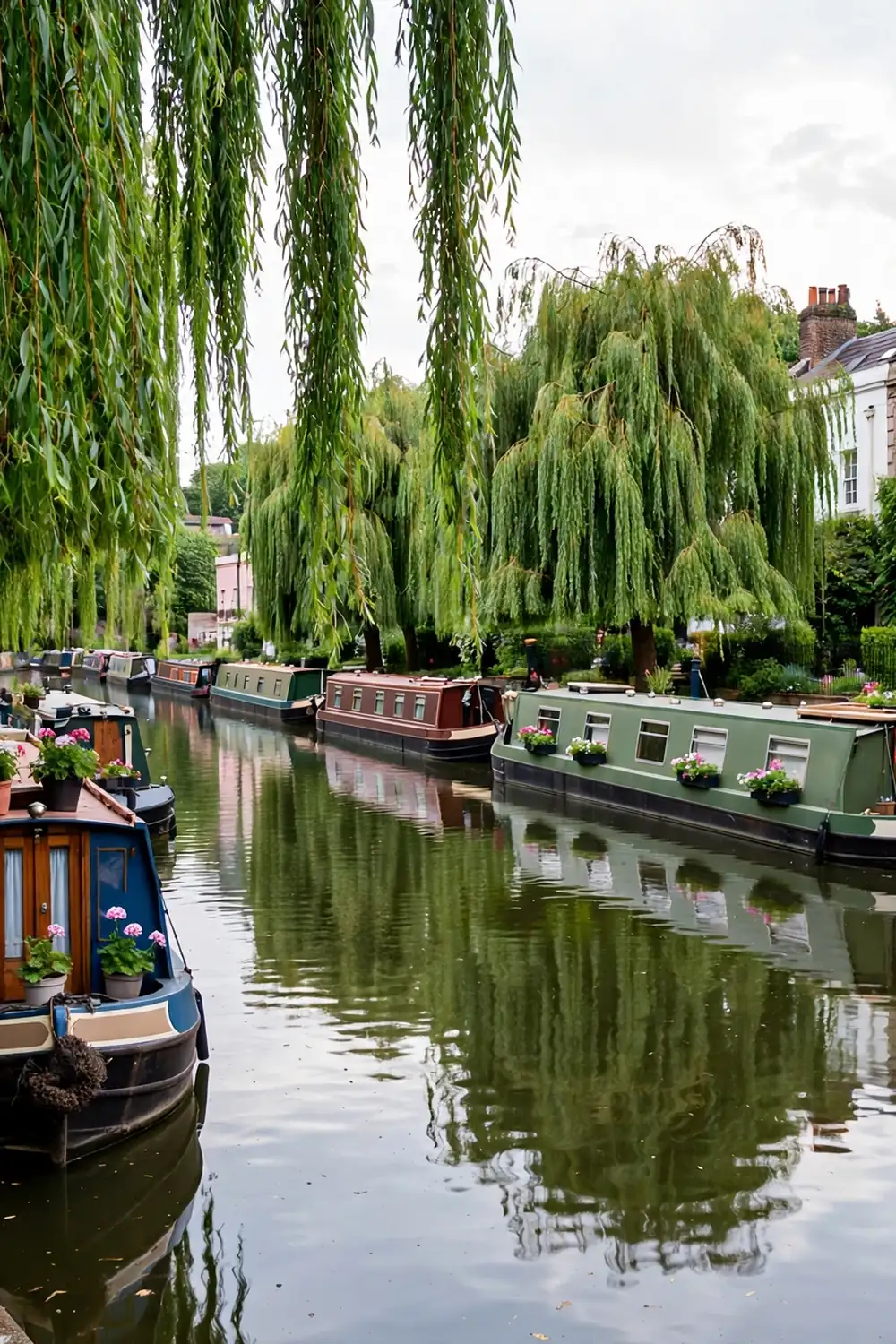
These final six experiences are the ones visitors remember most fondly, because they feel discovered rather than ticked off. They suit a second or third day, when the famous sights are done and the city starts to feel familiar.
18. Little Venice and the Regent’s Canal
Little Venice, where the Regent’s Canal meets the Grand Union Canal near Paddington, is one of London’s prettiest and most peaceful corners. Colourful narrowboats moor beside willow trees and white stucco houses, and the towpath walk east towards Camden passes through tunnels, past a floating puppet theatre and beside the aviaries of London Zoo. The walk takes about an hour and a half at a gentle pace, with cafes at both ends for a well-earned rest. It is the perfect antidote to a busy day in the centre.
19. Greenwich
Greenwich feels like a village that happens to belong to a great city, and a boat ride down the Thames is the most enjoyable way to arrive. The Royal Observatory stands on the Prime Meridian, Greenwich Park offers sweeping views over the river, and the Cutty Sark, a beautifully restored sailing ship, sits in dry dock beside the water. The covered market, the riverside pubs and the grand buildings of the Old Royal Naval College complete a day that feels unhurried and varied. Greenwich is also an excellent choice for families, with open space and hands-on attractions.
20. Hampstead Heath and Parliament Hill
Hampstead Heath is London’s great wild space, a sprawling heath of woodland, meadows and bathing ponds just north of the centre. Parliament Hill, at its southern edge, offers one of the finest views in London, with the city skyline spread out beneath a wide sky, and it is especially beautiful at sunset. The village of Hampstead, with its old pubs, bookshops and narrow lanes, makes a perfect starting or finishing point. Wear comfortable shoes, bring water, and allow half a day to enjoy the heath properly.
21. Leadenhall Market
Leadenhall Market, a covered Victorian market in the heart of the City, is one of London’s most beautiful hidden interiors, with its ornate ironwork, painted ceilings and cobbled lanes. Once a meat and produce market, it now holds shops, pubs and restaurants beneath its elegant roof, and it is a favourite filming location for visitors who recognise its arcades from the screen. Weekday lunchtimes are liveliest, when City workers fill the pubs, while weekends are quieter and better for photographs. It is a short walk from the Bank of England and the Royal Exchange.
22. Kyoto Garden in Holland Park
Kyoto Garden, a Japanese garden tucked inside Holland Park in west London, is a pocket of calm that feels far from the city. Stone lanterns, a waterfall, a small lake with koi carp and carefully pruned trees create a landscape designed for quiet contemplation, and peacocks from the wider park often wander through. The garden is free, small enough to enjoy in half an hour, and pairs beautifully with a longer walk through Holland Park’s woodland and formal gardens. Visit on a weekday morning for the most peaceful experience.
23. Richmond Park
Richmond Park, the largest of London’s royal parks, is a landscape of ancient oaks, open grassland and roaming deer, just a short journey from the centre. King Henry’s Mound, in the park’s Pembroke Lodge gardens, offers a protected view straight through to St Paul’s Cathedral, ten miles away, framed by trees. Cyclists, walkers and horse riders share the park’s paths, and the Isabella Plantation, a woodland garden of azaleas and camellias, is spectacular in spring. Richmond village, beside the Thames, provides riverside pubs and cafes for the journey home.
Good to Know
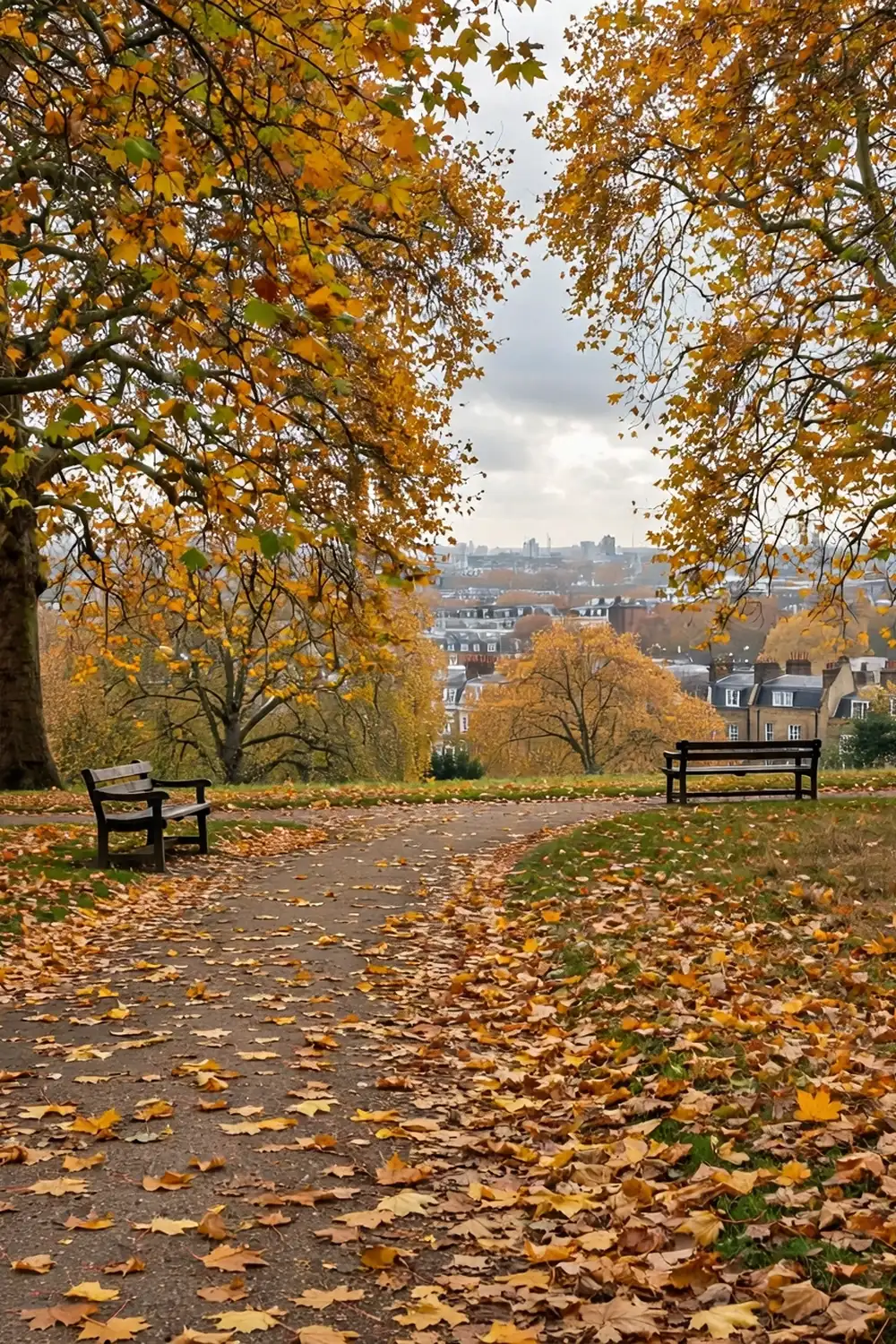
A few practical points will help this list work in real life. Many of London’s greatest museums are free, so a day built around a museum, a park and a market lunch can be surprisingly affordable. Book timed tickets for the busiest paid sights, such as the London Eye and Sky Garden, and arrive early for the Tower of London and Westminster Abbey. Comfortable shoes matter more than any other item of clothing, since even a gentle day involves several miles of walking, and a light waterproof layer is wise in every season. For visitors shaping a first trip, our guide to a first time in London explains how to order these sights across a few days, while the broader list of things to do in London and the best places to visit in London offer alternative ways to plan the same city.
Finally, remember that London rewards a slower pace. Trying to complete all 23 items in two days would be exhausting and would miss the point. Choose a few per day, leave room for a long lunch, a park bench and an unexpected discovery, and the city will repay the patience many times over.
FAQ
How many days are needed to cover these 23 things to do in London?
Four to five days allow a comfortable pace, with four or five items per day plus time for meals and rest. Three days are possible if the itinerary is selective, focusing on the iconic sights and one market or hidden corner per day. Longer stays suit visitors who want to add day trips or revisit favourite museums.
Which of these 23 things are free?
Many of the best items cost nothing: the British Museum, the Natural History Museum, Tate Modern, Sky Garden viewing slots, the parks, the canal walks and the markets themselves are all free to enter. Paid items include the Tower of London, Westminster Abbey, St Paul’s Cathedral, the London Eye and West End shows, though even these offer concessions for children, students and seniors.
What is the best order to visit these London sights?
Start with the iconic sights in the morning, when queues are shortest, then move to museums or markets in the afternoon. Group nearby items together, such as Westminster Abbey with Buckingham Palace, or Borough Market with Tate Modern and Shakespeare’s Globe. Save the hidden corners, such as Little Venice or Kyoto Garden, for a second or third day, when a quieter pace feels welcome.
Are these things to do in London suitable for families?
Yes, most of them suit families well, especially the Natural History Museum, the London Eye, Greenwich, Richmond Park and the markets, which offer space, variety and hands-on interest. Westminster Abbey and the Tower of London also engage older children with their stories and ceremonies. For younger children, plan shorter visits, build in park breaks, and carry snacks for the gaps between meals.
What should be booked in advance in London?
Book timed tickets for Sky Garden, the London Eye, popular West End shows and any special exhibitions that are likely to sell out. The Tower of London and Westminster Abbey also benefit from advance booking in busy periods. Free museums, parks, markets and canal walks do not need booking, though a timed slot is sometimes offered for crowd management.
Which hidden corner is the single best choice for a first visit?
Little Venice and the Regent’s Canal walk is the best single hidden corner, because it is easy to reach, free, and completely different from the famous sights. Greenwich is a close second for visitors with a full spare day, since it combines a river journey, a historic park, a famous ship and a lively market in one satisfying outing.