Every visitor wants the best of London, but the best of London is different for everyone. A first-time visitor wants the famous sights in a sensible order. A culture lover wants galleries, theatres and quiet corners full of stories. A food lover wants markets, classic dishes and one memorable meal. A family wants space, variety and something for every age. A single ranked list cannot serve all of these travellers at once, so this guide is organised by interest instead.
Pick the section that matches the trip, or combine two sections across a longer stay. Each one gives the highlights, a sensible way to spend the day, and the small details that turn a good visit into a great one. Together, they cover the city from its grandest landmarks to its freest pleasures, without ever pretending that one itinerary fits all.
For First-Timers: The Essential Highlights
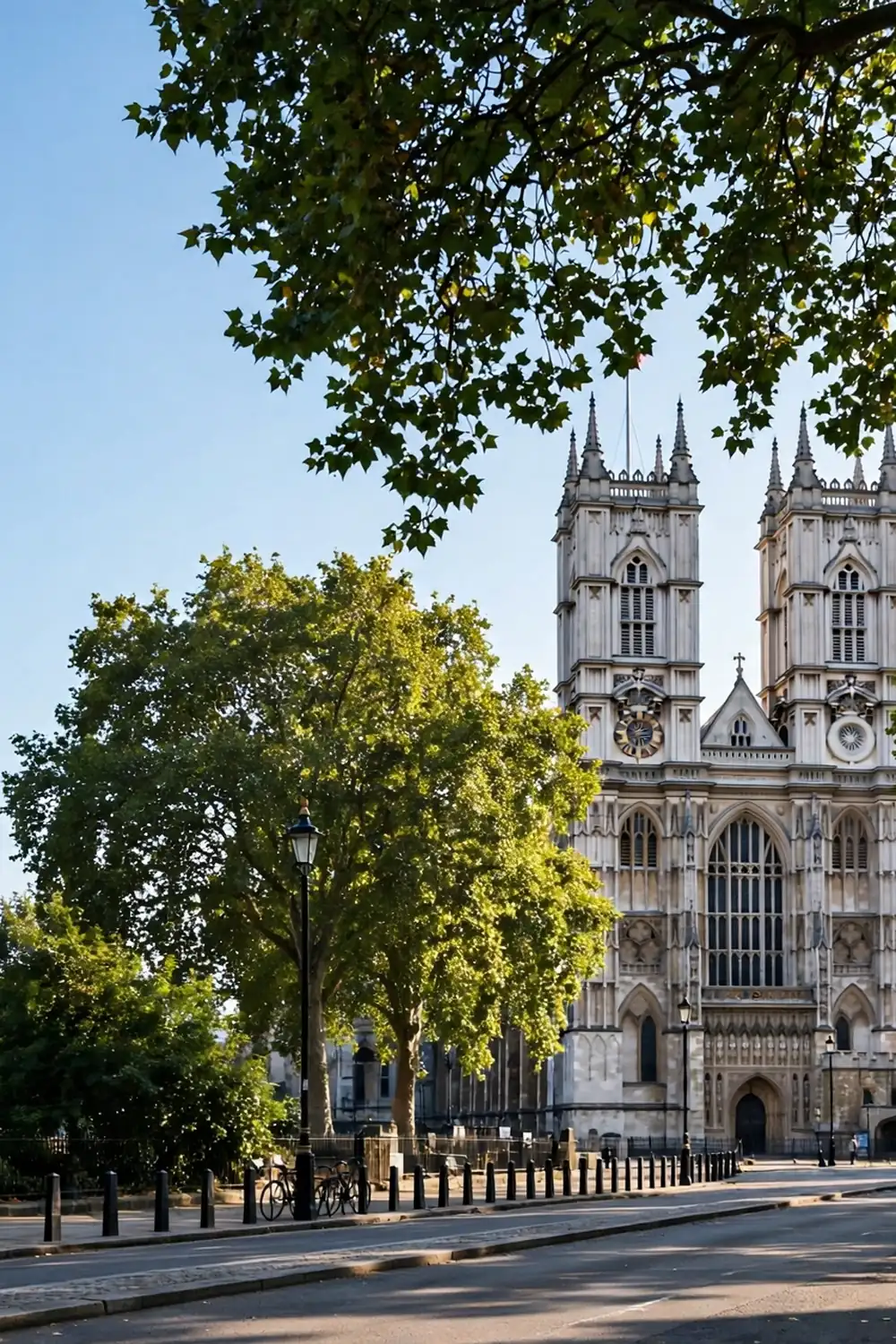
A first visit to London should feel like a greatest-hits album: familiar, exciting and easy to follow. The essential sights cluster around Westminster and the Thames, which means they can be enjoyed on foot in a single satisfying day, with the rest of the trip left for deeper exploration. Start early, wear comfortable shoes, and resist the urge to add too much to the first day.
The classic sights in one day
Begin at Westminster, where the Elizabeth Tower, the Houses of Parliament and Westminster Abbey stand together in one of the most recognisable views in the world. Walk through St James’s Park to Buckingham Palace, continue along The Mall to Trafalgar Square, and finish with the National Gallery or a ride on the London Eye across the river. This route is flat, well signed and full of places to pause, and it gives a first-time visitor the essential London skyline in a single morning and afternoon.
A first-day route that actually works
The mistake most first-time visitors make is trying to see the Tower of London, Westminster and a museum all on the same day. A better rhythm is one major sight in the morning, lunch in a market or a neighbourhood cafe, and a gentle walk or a free gallery in the afternoon. Save the Tower of London and St Paul’s Cathedral for the second day, when the city’s layout already feels a little familiar. A first day that ends with energy to spare is a far better start than one that ends in exhaustion.
For Culture Lovers: Museums, Galleries and Theatre
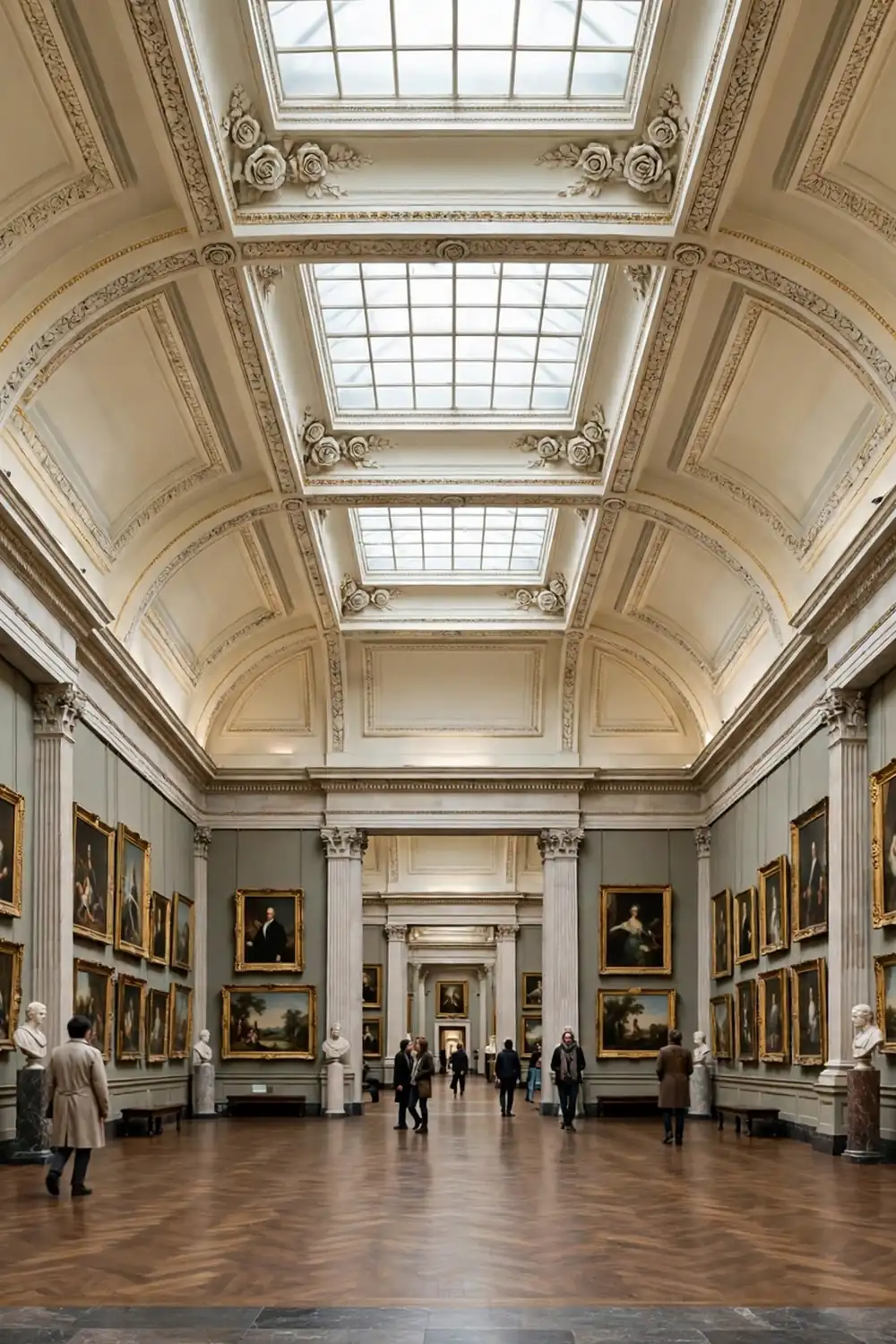
London is one of the great cultural capitals of the world, and its greatest advantage is that so much of that culture is free. The national museums and galleries charge nothing for their permanent collections, which means a culture lover can spend days among world-class art and history without spending a fortune. The challenge is not cost but choice, since no visit can cover everything.
Museums that reward a full morning
The British Museum, with its Rosetta Stone, Egyptian galleries and vast Great Court, deserves a full morning on its own, and the sensible approach is to choose two or three galleries rather than rushing through all of them. The National Gallery, on Trafalgar Square, offers a superb survey of European painting from the Middle Ages to the early twentieth century, while the Tate Modern, across the river, covers modern and contemporary art in a spectacular converted power station. Each of these museums has a good cafe, so a rest between galleries is part of the pleasure, not a concession.
Theatre, music and literary London
Evenings belong to the stage. The West End offers grand musicals, classic plays and daring new writing, while smaller venues across the city host fringe theatre, comedy and live music at lower prices. Literary London adds another layer: the Charles Dickens Museum, the British Library’s treasures gallery and the bookshops of Charing Cross Road all reward a quiet hour. For garden lovers with a cultural bent, the glasshouses and galleries described in our guide to the largest botanical garden on earth combine natural beauty with serious botanical history, and make an excellent half-day addition to a culture-focused trip.
For Outdoor Days: Parks, Rivers and Views
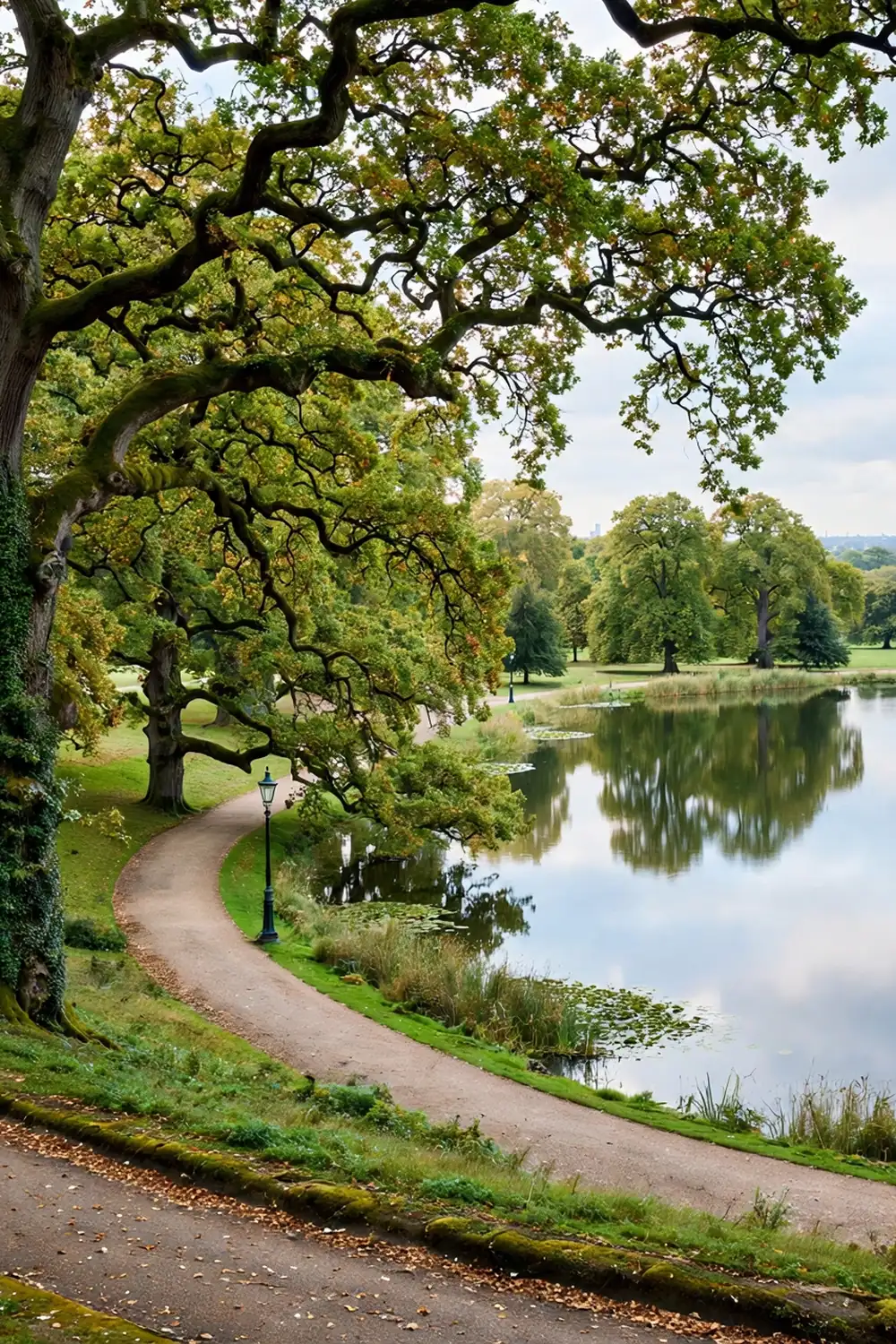
London is far greener than its reputation suggests, with royal parks, commons, canal towpaths and a long riverside promenade that together offer days of outdoor pleasure. An outdoor day here does not mean leaving the city behind; it means seeing the city at its most relaxed, with open skies, fresh air and room to breathe between the grand buildings.
The great parks
Hyde Park and Kensington Gardens form the city’s great central green lung, with the Serpentine lake, the Diana Memorial Playground, flower gardens and miles of paths for walking and cycling. Regent’s Park, to the north, adds formal rose gardens, a boating lake and the open-air theatre in summer, while Richmond Park, to the south-west, offers ancient oaks, roaming deer and a famous protected view of St Paul’s Cathedral from King Henry’s Mound. Each park has its own character, and visiting two in one trip gives a real sense of London’s green variety.
Riverside walks and viewpoints
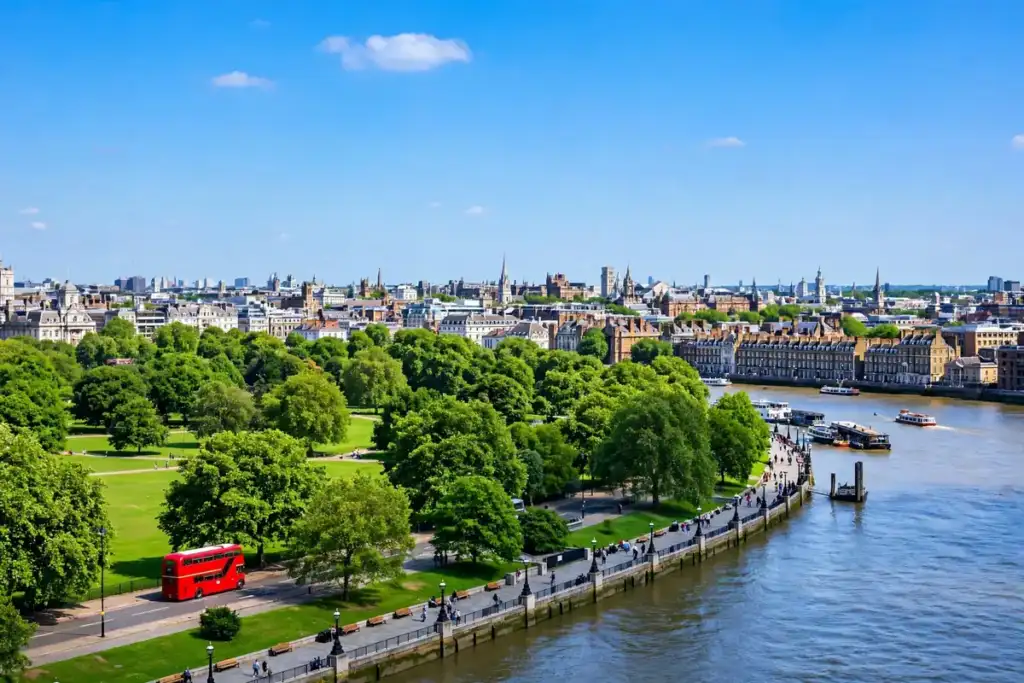
The Thames is London’s great outdoor corridor. The South Bank walk, from Westminster Bridge to Tower Bridge, passes the London Eye, the Tate Modern, Shakespeare’s Globe and Borough Market, and it can be enjoyed in sections rather than all at once. For a quieter riverside experience, the Regent’s Canal towpath from Little Venice to Camden offers narrowboats, willow trees and waterside cafes, while Hampstead Heath’s Parliament Hill gives the finest free panorama in the city. Sunset is the best time for viewpoints, when the light softens and the city begins to glow.
For Food Lovers: Markets, Classics and Treats
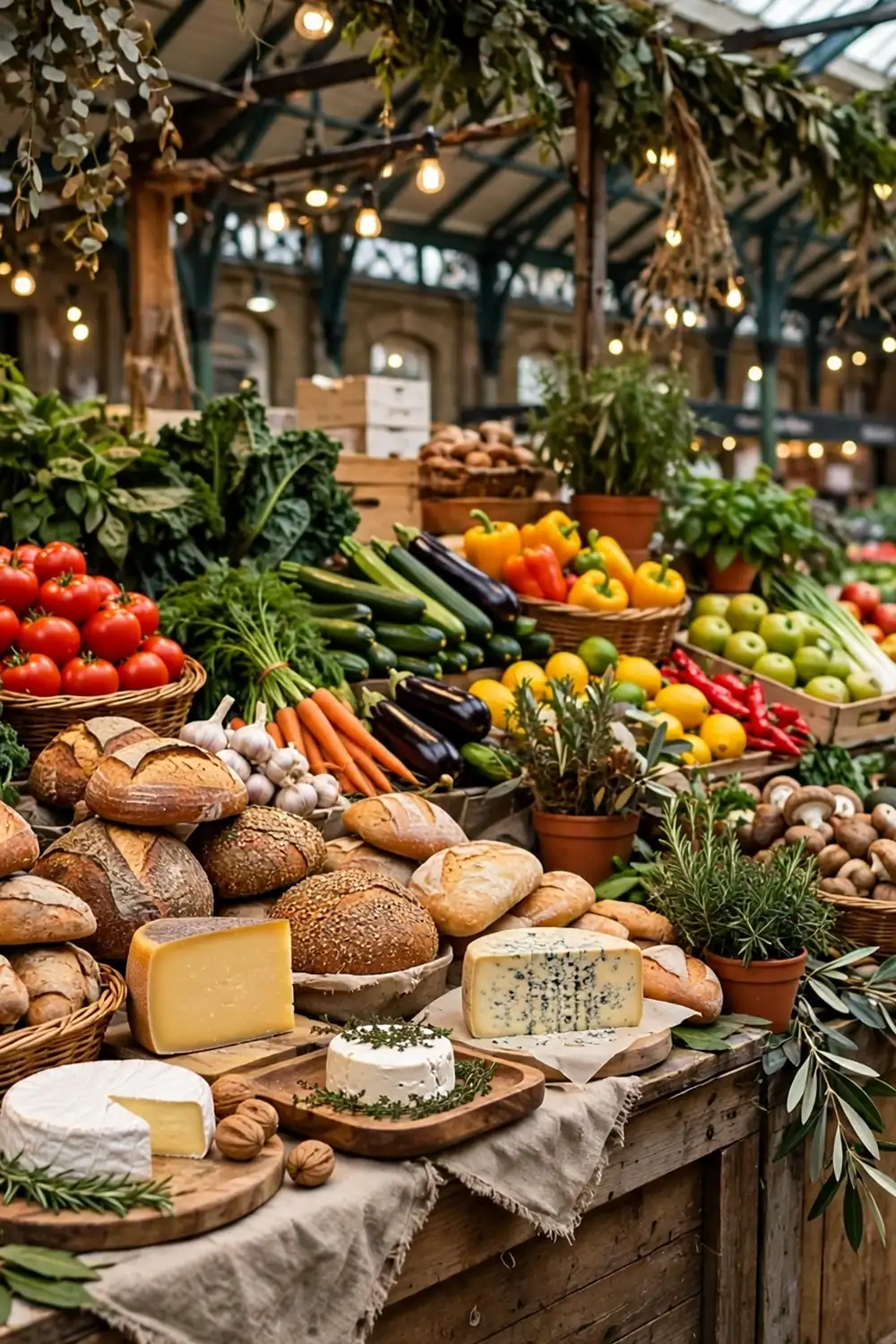
London is now one of the great food cities of the world, and its strength lies in variety rather than any single cuisine. Markets, neighbourhood restaurants, classic British dishes and international street food all sit side by side, often on the same street. A food-focused trip should mix one market morning, one classic meal and one adventurous dinner, leaving room for the small discoveries in between.
Market mornings
Borough Market, near London Bridge, is the essential food market, a covered maze of artisan bread, cheese, charcuterie and cooked dishes from around the world. Arrive hungry, graze from several stalls, and save room for something sweet. Camden Market adds a louder, younger energy, with food halls serving dishes from dozens of cuisines, while Portobello Road combines antiques with street food on Saturdays. Market lunches are also among the most affordable good meals in London, which makes them ideal for travellers watching a budget.
Classic dishes and one special meal
No food trip is complete without the classics: fish and chips from a proper chippie, a Sunday roast with Yorkshire puddings and roast potatoes, and afternoon tea with scones, clotted cream and jam. Each of these is best enjoyed in a place that takes it seriously, rather than a tourist trap beside a landmark, so ask local diners or look for a queue of regulars. For one special meal, book ahead, choose a restaurant that excites the whole group, and treat it as the centrepiece of the trip rather than an afterthought squeezed between sights.
For Free Days: The Best of London for Nothing
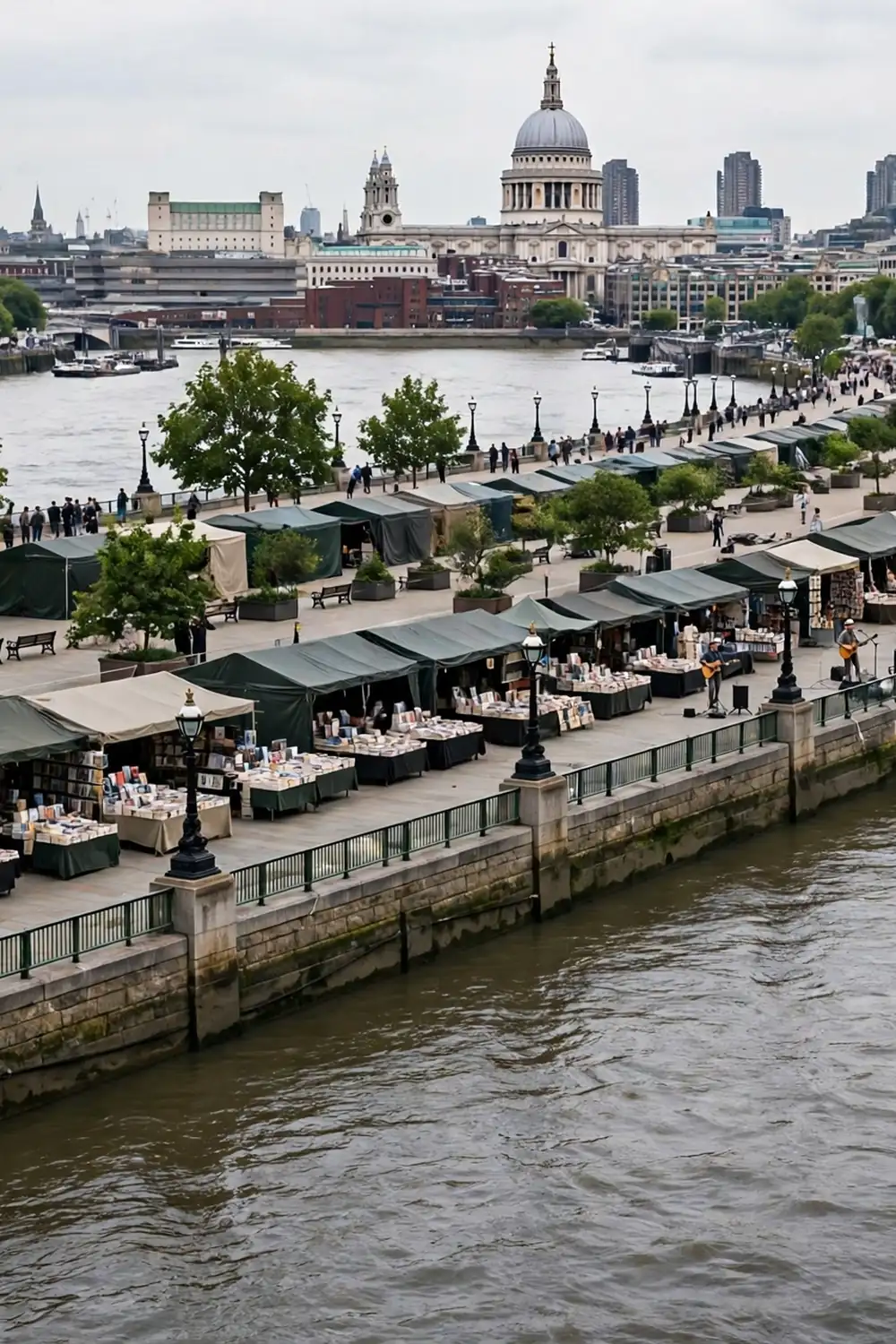
London’s free offerings are so good that a full day can cost almost nothing and still feel rich. The major national museums and galleries are free, the parks and riverside walks are free, and many viewpoints, markets and historic interiors cost nothing at all. A free day is not a compromise; for many visitors, it is the most enjoyable day of the trip.
A free day that feels generous
Start with a free museum, such as the British Museum or the National Gallery, and choose two galleries to enjoy properly rather than rushing through everything. Follow it with a market lunch from a street stall, a walk along the South Bank or the Regent’s Canal, and an afternoon in a park or a free viewpoint such as the Tate Modern’s top floor or Sky Garden’s booked viewing slots. Finish with a riverside stroll at sunset, when the city looks its best and the day’s memories settle. The total cost can be little more than lunch and transport, yet the day will feel full and varied.
Free sights that surprise people
Several free sights surprise even seasoned travellers. The grand reading room courtyards, the historic interiors of Leadenhall Market, the changing of the guard viewed from the street, and the many small churches and chapels that open their doors for free all offer beauty without a ticket. Libraries, such as the British Library’s treasures gallery, display priceless manuscripts for nothing, while street markets, canal boats and park wildlife provide endless free entertainment. The trick is to look for the free option first, and to spend only where the experience genuinely justifies the price.
For Families and Unhurried Days
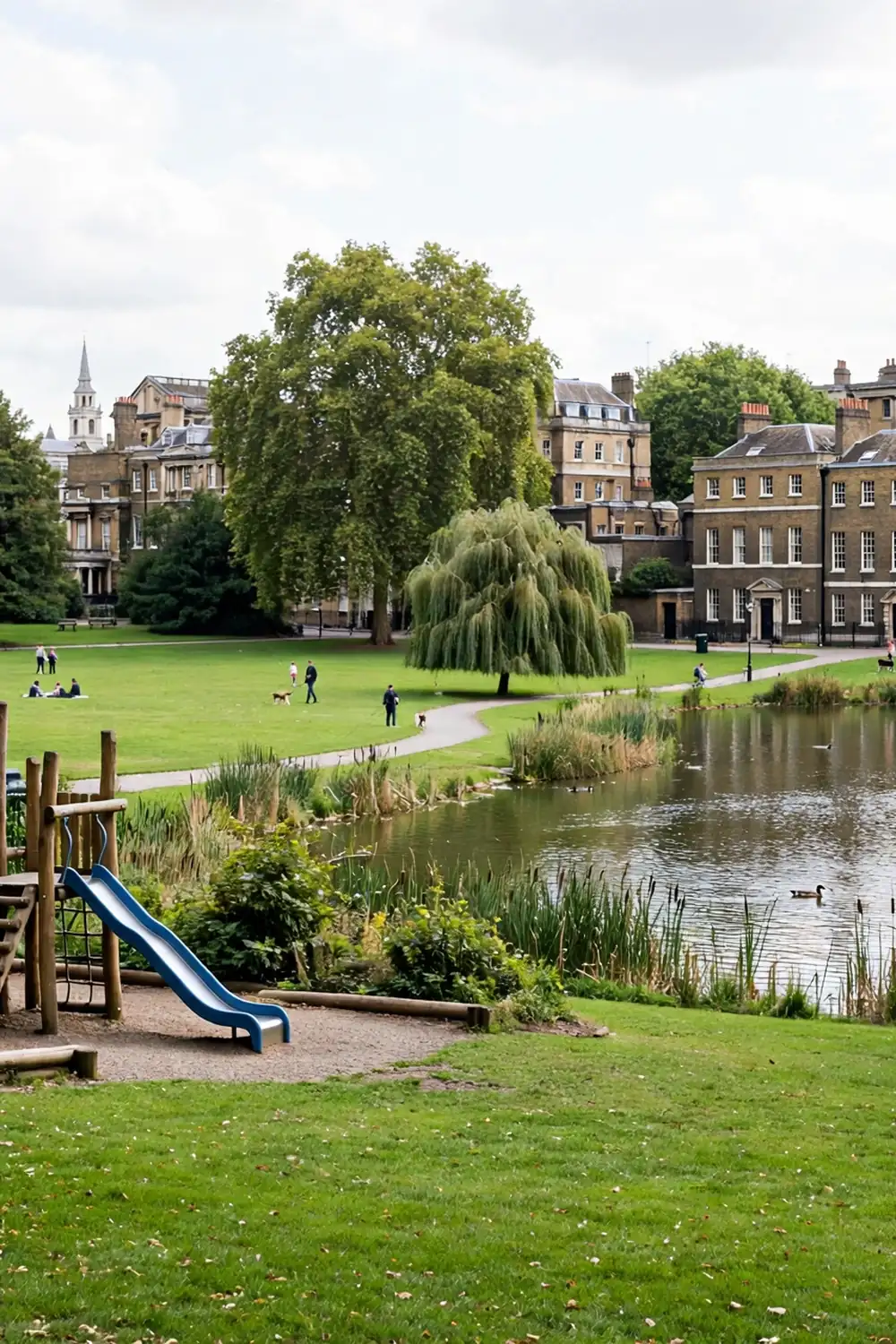
Families and slower travellers share a need: space, flexibility and a pace that leaves room for rest. London suits both groups well, provided the itinerary is built around one major activity per day rather than a checklist of sights. Children engage most with hands-on museums, parks, markets and river journeys, while slower travellers enjoy the same things at a gentler pace, with long lunches and afternoon rests built in.
Days that work for every age
The Natural History Museum, with its dinosaurs and giant whale skeleton, delights children and adults alike, while Greenwich combines a boat ride, a park, a famous ship and a market in one varied day. Richmond Park offers deer, open space and a woodland garden, and the South Bank walk gives street performers, book stalls and river views without any admission cost. For a wider escape, the ideas for day trips from London show how easily the city connects to castles, coastlines and historic towns, and the broader list of best places to visit in London helps families choose a second or third day that suits every age.
Slowing down without missing out
Slowing down is not missing out; it is the way to enjoy London properly. Choose a neighbourhood for the day, visit one sight, eat a long lunch, and spend the afternoon in a park or a cafe watching the city go by. This rhythm suits older travellers, young families and anyone recovering from a long journey, and it often produces the most memorable moments: a conversation in a market, a quiet square discovered by chance, or a sunset viewed from a park bench. London rewards patience, and the city will still be there tomorrow for whatever was left undone today.
Planning around children and energy levels
Children enjoy London most when the day has variety and frequent breaks, so mix a museum or a famous sight with a park, a market and a treat. A morning at the Natural History Museum followed by lunch in South Kensington and an afternoon in Hyde Park works better than two museums back to back, because it gives young legs a change of pace and young minds something new to look at. Carry snacks and water, since queues and walks between sights can stretch longer than expected, and build in a proper rest each afternoon, even if it is only half an hour on a park bench with an ice cream.
Unhurried travellers should apply the same principle in reverse: one sight, one long lunch, one gentle walk, and an early finish. London’s neighbourhood cafes are made for lingering, and a slow afternoon in a garden square or a riverside pub often becomes the most remembered part of the day. Booking a hotel near a park or a quiet street also helps, since it gives an easy retreat when the centre feels overwhelming. The goal is not to see the most, but to enjoy what is seen, and a calm day usually delivers more lasting memories than a packed one.
Good to Know
Whichever interest leads the trip, a few practical points apply to all of them. Book timed tickets for the busiest paid sights and for free viewpoints such as Sky Garden, and arrive early for the Tower of London and Westminster Abbey. Comfortable shoes matter more than any other item of clothing, since even a gentle day involves several miles of walking, and a light waterproof layer is wise in every season. Many museums are free, markets offer affordable lunches, and walking between nearby sights often reveals more than the Tube journey beneath them.
Finally, do not try to cover every interest in a single trip. Choose one or two sections from this guide, enjoy them properly, and leave the rest as a reason to return. London is a city that rewards return visits, and the second trip is often better than the first, because the layout is familiar and the favourite places are already known.
FAQ
What is the best of London for a first-time visitor?
First-time visitors should focus on the essential highlights: Westminster, Buckingham Palace, the Tower of London, the London Eye and a market such as Borough Market. These sights give the classic London skyline, the royal history and the everyday buzz of the city in a compact, walkable area, and they leave room for a neighbourhood walk or a free museum in the afternoons.
Which London experiences are best for culture lovers?
Culture lovers should prioritise the British Museum, the National Gallery and Tate Modern, all free, plus a West End show and a literary stop such as the British Library or the Charles Dickens Museum. Shakespeare’s Globe adds a unique theatrical experience, and the historic interiors of churches and markets provide cultural depth without any admission cost.
Can the best of London be enjoyed for free?
Yes, a great deal of the best of London is free, including the major national museums, the parks, the riverside walks, the canal towpaths and many viewpoints. A free day built around a museum, a market lunch from a street stall and a park or riverside walk can be one of the most enjoyable days of the trip, with the only costs being food and transport.
What is the best part of London for food lovers?
Borough Market is the best single food destination, while Soho offers the greatest variety of restaurants in a small area, and Brick Lane adds curry houses, bagel shops and street food. A food-focused trip should combine one market morning, one classic British meal such as a Sunday roast or fish and chips, and one adventurous dinner booked in advance.
Which London activities suit families with children?
Families do best with the Natural History Museum, Greenwich, Richmond Park, the London Eye and the markets, which offer space, variety and hands-on interest for different ages. River boat rides, canal walks and park playgrounds break up museum days, while one major sight per day keeps the pace manageable for younger children.
How should interests be combined on a longer London trip?
On a five-day trip, dedicate each day to a different interest: one day for first-timer highlights, one for culture, one for outdoors, one for food and one for free or family activities. This keeps each day varied without making any single day exhausting, and it leaves room for a day trip or a return visit to a favourite museum or neighbourhood.