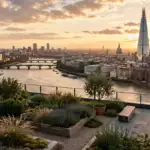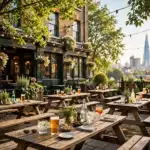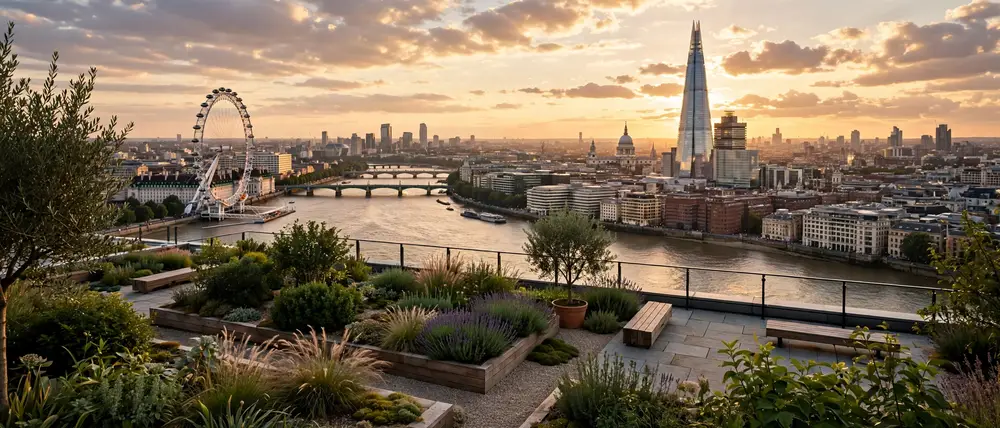
London is not a city you tick off — it is a city you feel. One morning you are standing in a glass garden 35 floors above the Thames with the whole skyline at your feet, and by evening you are eating your way through a thousand-year-old market while the bells of St Paul’s ring out across the river. The best London experiences are not just the famous sights; they are the moments in between — the free rooftop at sunset, the hidden garden behind a concrete wall, the pub where the whole room sings along. This guide rounds up the 15 best London experiences, from free viewpoints and world-class museums to boat rides, theatre nights and food markets, with honest notes on what each one costs, when to go, and which ones you need to book weeks ahead.
What Makes a Great London Experience?
A great London experience does three things. First, it gives you a story to take home — not just a photograph, but a memory you will still be talking about in a year. Second, it fits the city rather than fighting it: London rewards the visitor who groups things by neighbourhood, books the free viewpoints ahead, and leaves room for a spontaneous detour down a side street. Third, it suits your budget and your energy. Some of the finest experiences in London cost nothing at all — the Sky Garden, the Garden at 120, Horizon 22, the great free museums and the hilltop parks — while others, like a West End show or a Thames speedboat, are worth paying for exactly once and remembering for years.
The fifteen experiences below are chosen for variety and for value. They cover the icons every first-time visitor should see, the free rooftops Londoners love most, the food and drink that make the city taste like itself, and a few genuinely unusual experiences most tourists never hear about. Use the list by mood — views, history, food, adventure — or simply work through it in order. Either way, you will see a London most visitors miss.
15 Best London Experiences
These are the London experiences that deliver again and again, whether it is your first visit or your fifteenth. Each one is a real, open, bookable thing to do — not a vague idea — with practical notes on cost, timing and booking so you can plan with confidence.
1. Sky Garden — London’s Free Rooftop Garden
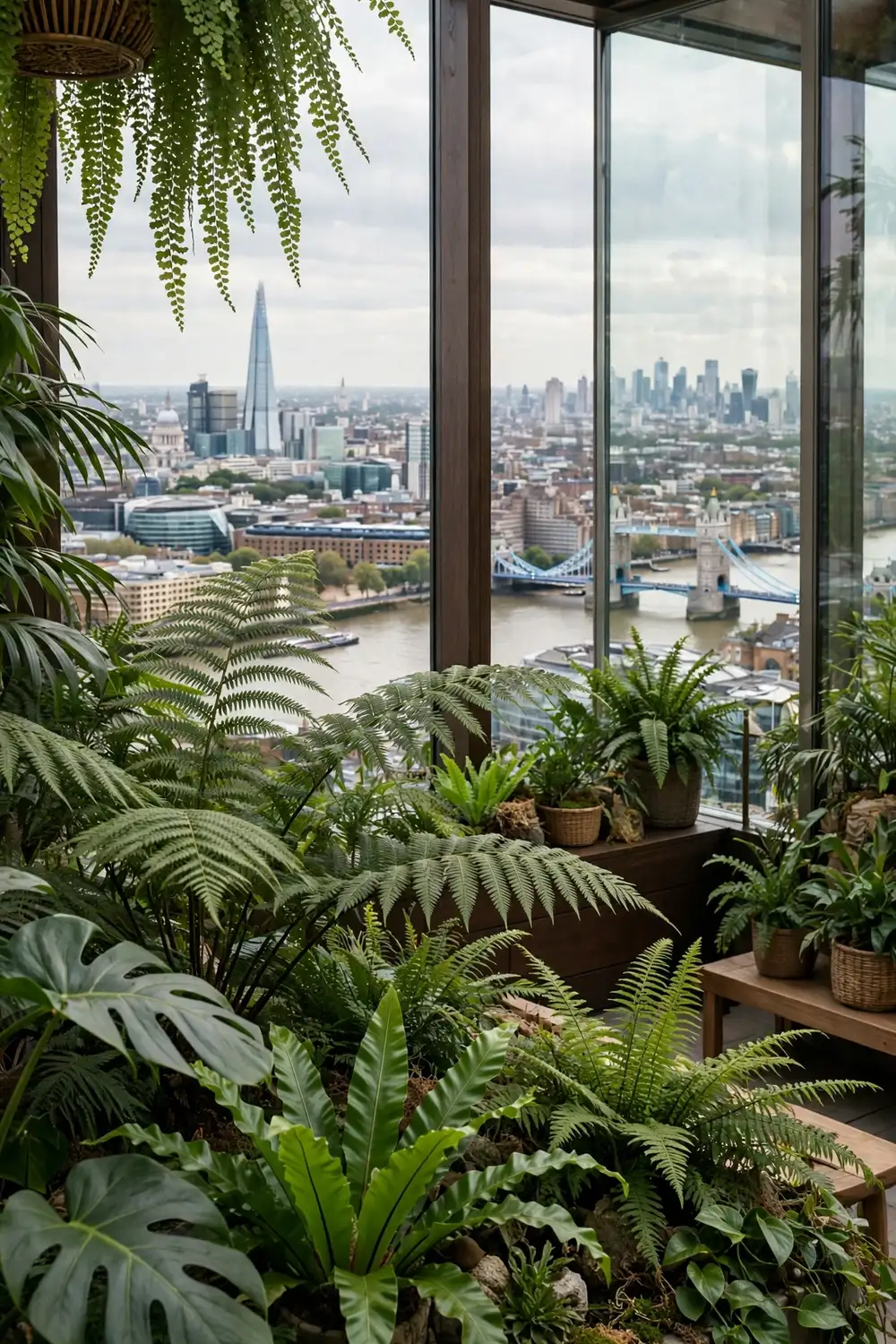
The Sky Garden sits at the top of 20 Fenchurch Street, the building Londoners call the Walkie-Talkie, and it is the single best free experience in London. Three storeys of landscaped gardens, ferns and flowering plants wrap around a glass dome 35 floors up, with panoramic views and an open-air terrace looking straight across the Thames towards the Shard and Tower Bridge. Entry is free, but you must book a timed ticket in advance through the official Sky Garden website — free tickets are released every Monday morning for the week three weeks ahead, and weekend slots go fast. Bring photo ID on the day, arrive at your booked time, and allow at least an hour to wander the gardens, take photographs and have a drink at the bar.
Come here for: the best free view in London with a garden attached. Go at sunset if you can get a ticket — the light over the river is extraordinary. If tickets are gone, the Garden at 120 a few minutes away needs no booking at all, and our guide to the best places to see the London skyline ranks every free viewpoint in the city.
2. Horizon 22 — The Highest Free Viewpoint in London
Horizon 22, on level 58 of 22 Bishopsgate, is the highest public viewpoint in London — higher even than the viewing gallery at the Shard — and it costs nothing. The 300-degree views stretch from the Thames to the hills beyond the city, and unlike many free viewpoints there is no strict time limit once you are up there, so you can take your time. Like the Sky Garden it works on free timed tickets booked through its own official website, so book ahead, especially for a weekend or a sunset slot. It is an indoor gallery, which makes it one of the best London experiences on a wet or windy day, when the outdoor rooftops are less appealing.
Come here for: height, space and a proper panorama without paying a penny. Pair it with a walk through the City’s lanes afterwards — the Garden at 120 and the Sky Garden are both within ten minutes on foot.
3. The Garden at 120 — The Walk-In Rooftop Garden
The Garden at 120 is the most useful viewpoint in London for one simple reason: you just turn up. This open-air rooftop garden sits on the 15th floor of 120 Fenchurch Street, with a water rill, wisteria and a 360-degree sweep over the City rooftops — and no ticket, no booking and no queue system. It is lower than the Sky Garden and Horizon 22, but the close-up rooftop views of the Gherkin and the surrounding towers are superb, and it is the perfect fallback when the free high-rise tickets are sold out. Winter hours run roughly 10am to 6.30pm on weekdays, and it closes on bank holidays and in high winds, so check before you make a special trip.
Come here for: a spontaneous rooftop garden with no planning at all. It is also step-free by lift, which makes it one of the easiest London viewpoints for anyone with limited mobility.
4. The Tower of London and the Crown Jewels
No London experience carries quite the weight of the Tower of London. Founded after the Norman Conquest, this royal fortress has been a palace, a prison, an armoury and a treasury across nearly a thousand years, and it still holds the Crown Jewels — the glittering centrepiece that draws visitors from around the world. A Yeoman Warder tour, free with admission and famously entertaining, brings the stones to life: the ravens, the executions, the escapes, the prisoners whose names are carved into the walls. Allow three to four hours, book ahead in peak periods, and arrive in the morning if you want the Crown Jewels without a long queue.
Come here for: the deepest history in the city, told where it happened. Afterwards, cross Tower Bridge and walk the South Bank to Borough Market — one of the great London days out, and almost entirely on foot.
5. The British Museum — World History, Free
The British Museum, founded in 1753, holds objects from every continent and thousands of years of human history — and its permanent collection is free. The Rosetta Stone, the Egyptian mummies, the Parthenon sculptures and the Sutton Hoo treasures are the headline acts, but the joy of the museum is wandering: one gallery holds Assyrian lions, the next holds Japanese prints, and the Great Court’s glass roof is worth the visit on its own. Pick one or two galleries with intent rather than trying to see everything; two to four hours is about right for a first visit. Special exhibitions are paid and should be booked ahead.
Come here for: world history under one roof, at no cost. Afterwards, walk to Covent Garden and Soho for lunch — the museum, the market halls and the West End sit within a single easy stroll.
6. Ride the London Eye at Sunset
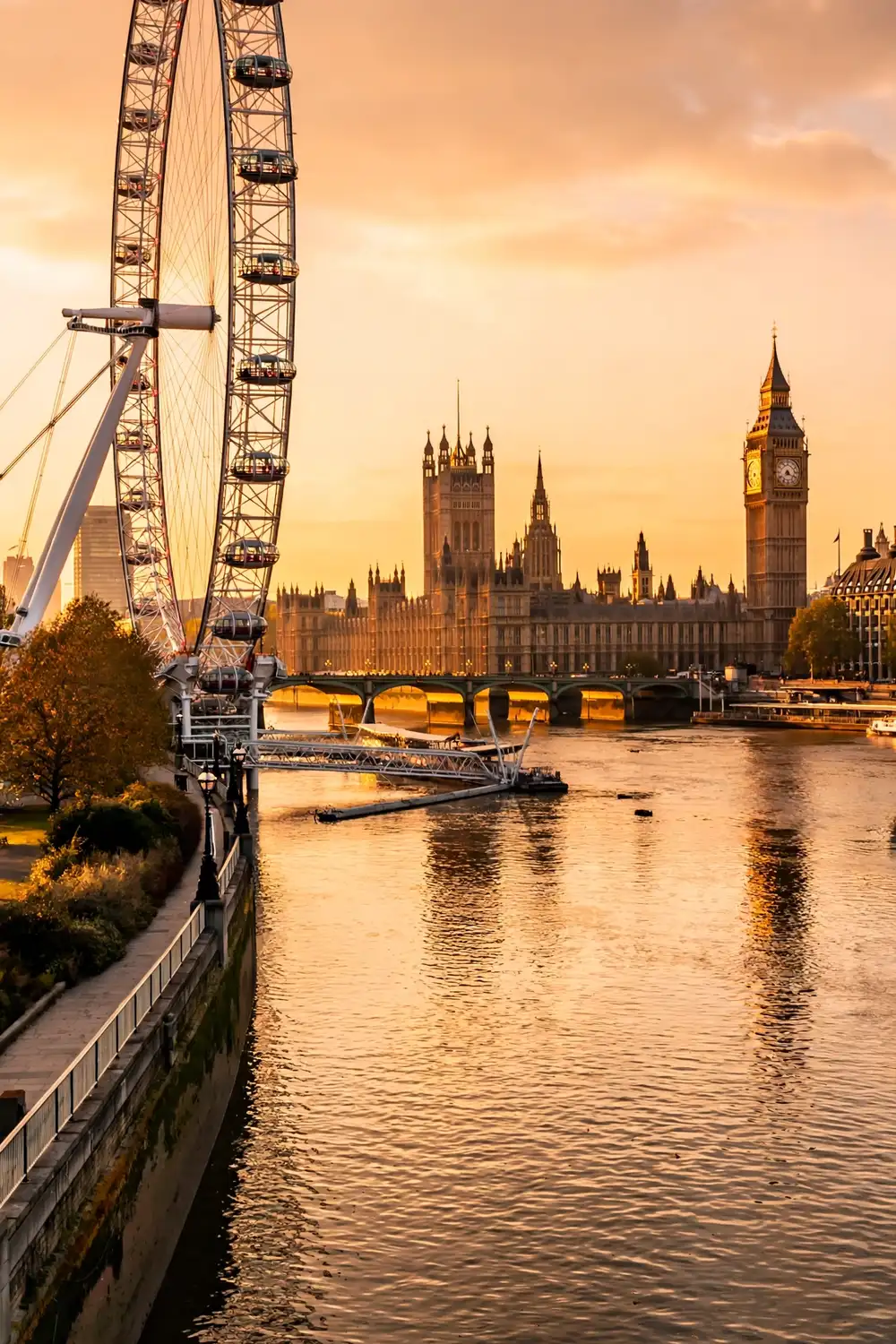
The London Eye, Europe’s largest observation wheel, sits on the South Bank beside the River Thames, and a slow rotation in one of its glass capsules gives you a panoramic view of the city that no photograph quite captures. From the top you can pick out the Houses of Parliament and Big Ben, St Paul’s Cathedral, the Shard and the river bending away to the east. Sunset is the time to ride — the light turns the Thames gold and the city lights begin to come on — but book a timed ticket in advance, because the sunset slots are the first to sell out. A standard rotation takes about thirty minutes.
Come here for: the classic London panorama, best at golden hour. Combine it with a walk along the South Bank, past the skateboarders, the book stalls and the street performers, and finish with dinner on the river.
7. A Thames Speedboat or River Cruise
Seeing London from the river changes everything. A Thames speedboat tour is the adrenaline version — fast, wet and wonderfully noisy, with a guide shouting out landmarks as you race past the Tower, the Shard and the Houses of Parliament — while a slower river cruise is the relaxed one, with commentary, a drink in hand and the city sliding by at walking pace. Both give you a view of London you simply cannot get from the street: the riverfront palaces, the bridges from below, the great dome of St Paul’s rising over the water. Book ahead in summer, dress for spray on the speedboat, and choose a sunset sailing if you can.
Come here for: London from the water, the way the city was built to be seen. If you want a calmer version, the regular river bus services run the same route for the price of a normal fare.
8. Up at The O2 — Climb Over the Roof of the Arena
Up at The O2 is one of the most unusual experiences in London: a guided climb over the roof of the O2 arena in Greenwich, in a harness, up a walkway to a viewing platform 52 metres above the ground. The climb takes about ninety minutes, the views over the Thames, Canary Wharf and the City are superb, and the feeling of standing on top of one of London’s most famous buildings is genuinely thrilling. No climbing experience is needed — guides lead the way, and there are climbs at sunset and in the evening too. Book ahead, wear sensible shoes, and leave anything loose in the lockers provided.
Come here for: adrenaline with a view. Afterwards, Greenwich itself is worth an afternoon — the Royal Observatory, the Cutty Sark and the park’s hilltop panorama over the river.
9. A West End Theatre Show
A night in the West End is one of the defining London experiences, and the city does theatre better than almost anywhere on earth. The great musicals run for years, the plays draw the finest actors, and the old theatres themselves — the gilt, the velvet, the cramped bars — are part of the pleasure. Book ahead for the big shows, especially at weekends, but same-day tickets and last-minute seats are often available for smaller productions if you are flexible. Arrive early, dress as you like, and stay for a drink afterwards in Soho or Covent Garden, where the streets are at their liveliest after the curtain falls.
Come here for: the best theatre in the world, in the theatres it was written for. If you are choosing one evening in London, this is often the one to choose.
10. Borough Market — Eat Your Way Through London
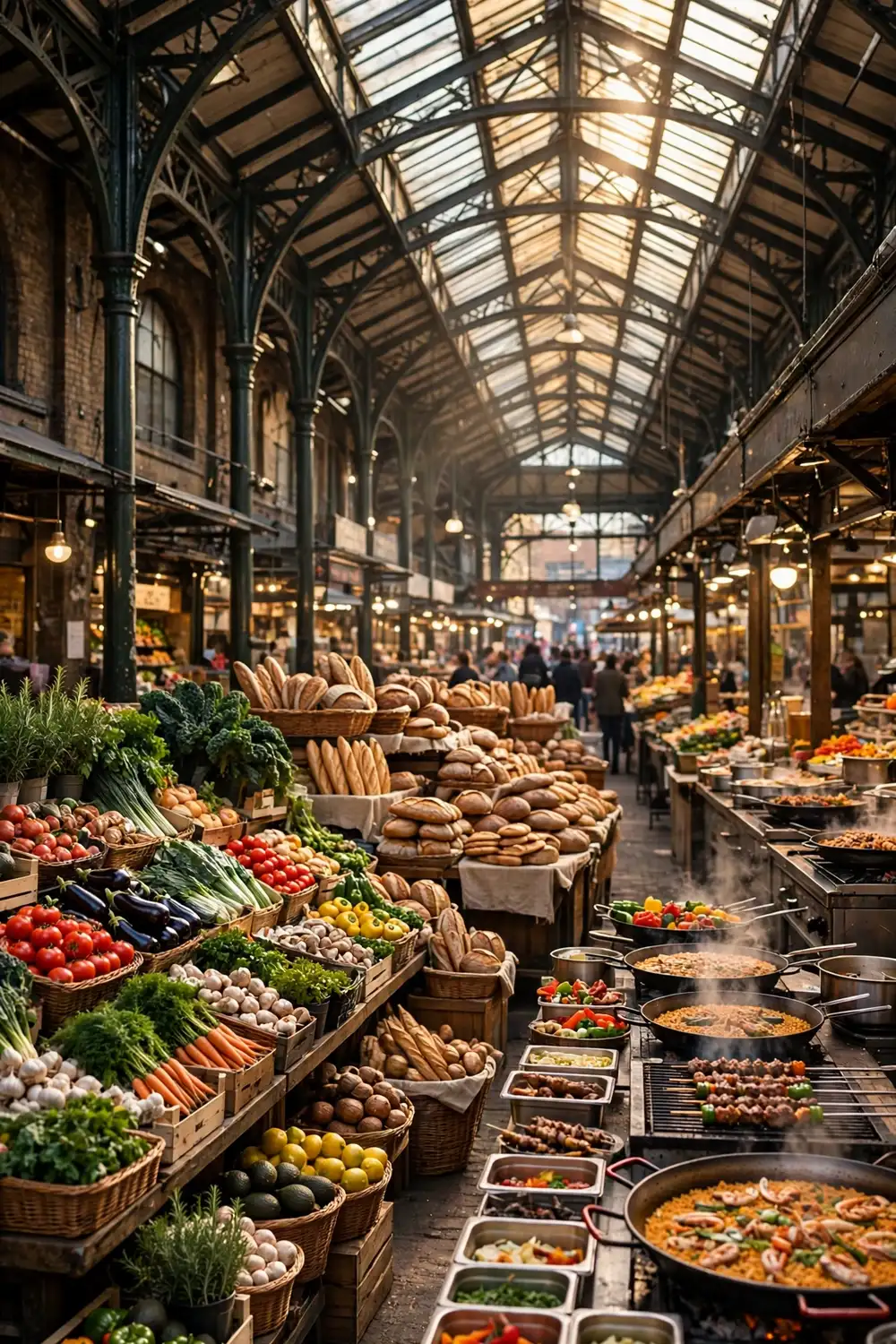
Borough Market, beside London Bridge, has fed Londoners for a thousand years, and it remains the city’s great food market. Come hungry: artisan bread, British cheeses, oysters, hot sandwiches, pastries, coffee and street food from every corner of the world, all under one Victorian roof. The market is at its best on a weekday morning, before the weekend crowds arrive, and the traders are generous with samples and advice. It is also a perfect anchor for a day — the Tower of London, the Shard, Tate Modern and the Globe Theatre are all within a short walk, so you can eat, wander, and eat again.
Come here for: the taste of London in one place. Bring cash or a card — most stalls take both — and skip breakfast. For more food-led wandering, Camden Market and Portobello Market offer the same energy in very different neighbourhoods.
11. Changing of the Guard at Buckingham Palace
The Changing of the Guard is the most ceremonial of all London experiences: the King’s Guard marching to Buckingham Palace in scarlet tunics and bearskins, with a military band playing, while crowds line the Mall. It runs on selected days — check the schedule before you go, as it is not daily in winter — and the best views are from the Victoria Memorial or along the Mall rather than pressed against the palace gates. Arrive at least 45 minutes early for a good spot, and combine it with a walk through St James’s Park to Westminster Abbey and Big Ben.
Come here for: pageantry, music and a very British spectacle. In summer the palace itself opens to the public, and you can picnic on its lawn — a rare chance to sit inside the most famous garden in the country.
12. St Paul’s Cathedral and the Whispering Gallery
St Paul’s Cathedral has dominated the London skyline for more than three hundred years, and climbing to the top of its famous dome is one of the great London experiences. The Whispering Gallery, 30 metres up, is a marvel of acoustics — a whisper against the wall carries clearly to the other side — and the climb continues to the Stone Gallery and the Golden Gallery, where the panorama over the City and the Thames opens out in every direction. The cathedral itself is a masterpiece of calm and light, and the crypt holds the tombs of Nelson and Wellington. Allow one and a half to two hours, and book a sightseeing ticket in advance at busy times.
Come here for: the dome, the whisper and the view. The rooftop terrace at One New Change, directly opposite, gives you St Paul’s at eye level for free afterwards.
13. Camden Market and Primrose Hill
Camden Market and Primrose Hill are two halves of one perfect London day. Start in Camden, where the markets spill along the canal with street food, vintage clothes, handmade jewellery and music drifting from every doorway, then follow the Regent’s Canal west through the locks and under the bridges to Regent’s Park. From there it is a short climb to Primrose Hill, the 63-metre summit that gives you one of the most photographed skylines in London — the Shard, Canary Wharf, the BT Tower and St Paul’s all visible on a clear day, and free at all hours. Our Primrose Hill guide covers the walk, the views and the best time to go.
Come here for: markets, canal walks and a hilltop sunset. It is the London that locals love — scruffy, lively and entirely free once you are there.
14. The Ceremony of the Keys and London’s Hidden Rituals
Some of the best London experiences are the ones most visitors never hear about. The Ceremony of the Keys, performed every night at the Tower of London for over seven hundred years, is the ancient locking-up of the Tower — a short, torchlit ritual of challenge and response that feels like stepping into another century. Tickets are free but must be booked well ahead, often months, and they go fast. The same spirit runs through the city’s other hidden gems: the Mail Rail, a ride on the secret underground postal railway beneath Clerkenwell; Dennis Severs’ House in Spitalfields, a candlelit house frozen in the eighteenth century; and the Barbican Conservatory, a tropical glasshouse hidden behind the concrete of the Barbican. These are the experiences that turn a good trip into a great one.
Come here for: the London behind the postcards. Book the Ceremony of the Keys as early as you possibly can — it is one of the hardest free tickets in the city to get.
15. A Historic Pub and a Proper London Evening
End your day the way Londoners do: in a historic pub. The city has pubs older than many countries — the Prospect of Whitby in Wapping, pouring since 1520 with a garden on the Thames; the Churchill Arms in Kensington, its whole facade covered in flowers; the Flask on Hampstead Heath, at the end of a walk across the heath. Order at the bar, pay as you go, and settle in for a pint of craft beer, a lager or a cider while the room does what London pubs have always done — talk, laugh and welcome strangers. Many of the best pub gardens in the city are in our guide to the best beer gardens in London, and for the highest terraces, our rooftop bars in London guide has the rest.
Come here for: the evening itself. A London pub is not just a place to drink — it is the city’s living room, and an evening in one is the most honest London experience there is.
Free London Experiences: The Best of the Best
London is one of the most generous cities in the world for free experiences, and a careful visitor can fill days without spending a penny on admission. The three free rooftop viewpoints — the Sky Garden, Horizon 22 and the Garden at 120 — are the crown jewels, and they sit within ten minutes of each other in the City. The great museums — the British Museum, the National Gallery, Tate Modern and the Natural History Museum — are free for their permanent collections. The parks are free: Hyde Park, Regent’s Park, Hampstead Heath and Greenwich Park, with Parliament Hill and Primrose Hill giving you the city’s finest panoramas for nothing. The markets are free to wander, the South Bank is free to walk, and the river itself costs nothing to look at from Waterloo Bridge, one of the finest free views in London. Our guide to the best free things to do in London gathers them all into one plan.
The trick with free experiences is booking: the Sky Garden, Horizon 22 and the Ceremony of the Keys all need advance tickets, and the free slots go first. Book those the moment your dates are fixed, then build the rest of the trip around them.
How to Plan Your London Experiences
London rewards planning, but it punishes over-planning. Group your experiences by area rather than by list: Westminster Abbey, Big Ben, St James’s Park and the South Bank in one day; the Tower of London, Tower Bridge, Borough Market and Tate Modern in another; the British Museum, Covent Garden and Soho in a third. Three days is the minimum for a satisfying first visit; four or five days lets you add a museum day, a market morning and a proper evening without rushing.
Book the timed things first — the Sky Garden, Horizon 22, the London Eye, the Tower, the West End — and leave the walk-in experiences, like the Garden at 120, the parks and the markets, as flexible fillers. Time your visit for a seasonal highlight if you can — the Notting Hill Carnival over the August bank holiday weekend, or a classic afternoon tea in one of the great hotels — and if you have a spare day, the Harry Potter Studio Tour is the classic add-on, but book it well ahead, as it sells out. And if you want one paid view, make it the Monument — 311 steps to the top and the whole City spread out below. Check opening hours and prices on the official website of each venue before you travel, because times, ticket prices and booking rules change with the season. And leave one slot in every day empty. London’s best experiences are often the ones you did not plan: a street market you stumble into, a garden you find behind a wall, a view from a bridge you were only crossing to get somewhere else.
Frequently Asked Questions
What are the best experiences in London for first-time visitors?
For a first visit, start with the icons and the free views: the Sky Garden, the Tower of London and the Crown Jewels, the British Museum, a walk along the South Bank to the London Eye, and a West End show in the evening. Add one market — Borough Market is the classic — and one hilltop view from Primrose Hill or Parliament Hill, and you will have seen the London that matters most.
What are the best free experiences in London?
The best free experiences in London are the Sky Garden, Horizon 22 and the Garden at 120 — three free rooftop viewpoints in the City — plus the British Museum, the National Gallery and Tate Modern, all free for their permanent collections, and the hilltop parks, Primrose Hill and Parliament Hill. The Ceremony of the Keys at the Tower of London is also free, but its tickets must be booked months ahead.
Do I need to book London experiences in advance?
Yes, for the popular ones. The Sky Garden, Horizon 22 and the Ceremony of the Keys all need advance booking, and their free tickets go quickly. The London Eye, the Tower of London, Up at The O2 and West End shows should also be booked ahead, especially at weekends and in summer. Walk-in experiences like the Garden at 120, the parks and the markets need no booking at all.
What is the most unique experience in London?
The most unique experiences in London are the hidden ones: the Ceremony of the Keys at the Tower, a ride on the Mail Rail postal railway, the candlelit rooms of Dennis Severs’ House, and the Barbican Conservatory’s tropical glasshouse. For something outdoors, climbing over the roof of the O2 or riding a Thames speedboat are the experiences visitors remember longest.
How many days do I need in London?
Plan at least three days for a satisfying first visit — enough for the icons, one museum, one market and one free viewpoint. Four to five days is better if you want to add a second museum, a neighbourhood walk, a theatre night and a day trip without rushing. London works year-round: late spring to early autumn is best for outdoor viewpoints and markets, while winter is strong for museums, theatre and the city’s lights.