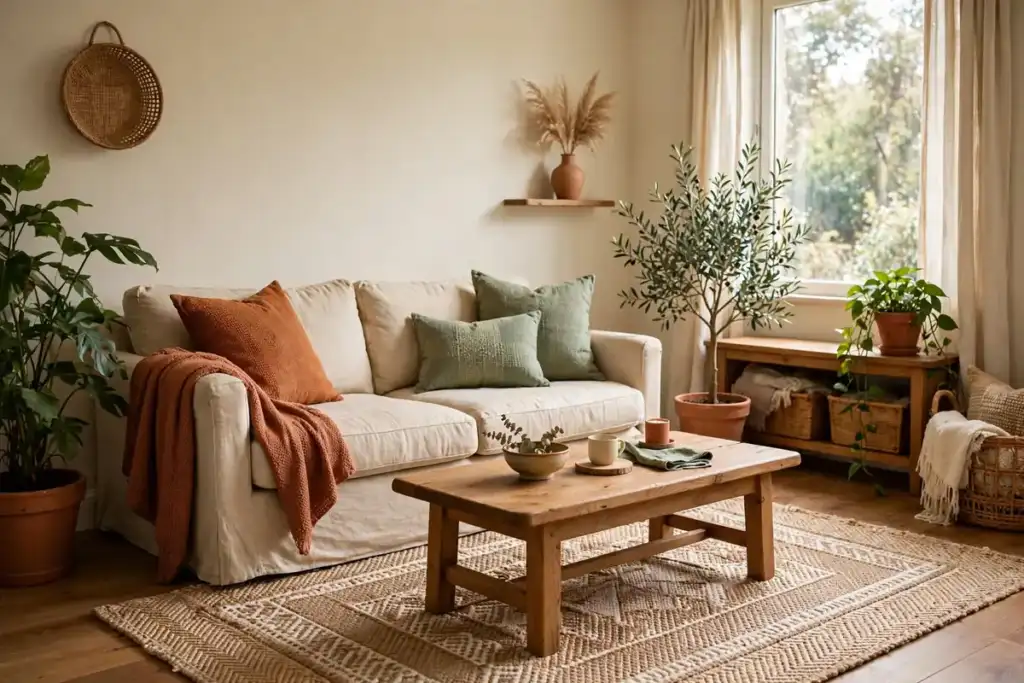
A well-decorated home does not need to be expensive, fashionable or perfect. It needs to feel like yours: comfortable to live in, pleasant to look at, and practical for everyday life. The most inviting homes are rarely the ones with the most money spent on them. They are the ones where colour, light, layout and personal touches work together, where every room has a clear purpose, and where a few thoughtful details make ordinary spaces feel special.
This guide gathers home decorating ideas for every room, from the entryway that greets visitors to the bedroom where you unwind at night. It covers styles that stand the test of time, budget-friendly updates that make a real difference, and the common mistakes that can undermine even the best intentions. Whether you are decorating a whole house or simply refreshing a single room, you will find practical ideas you can start with this weekend.
Start With Your Home, Not a Trend
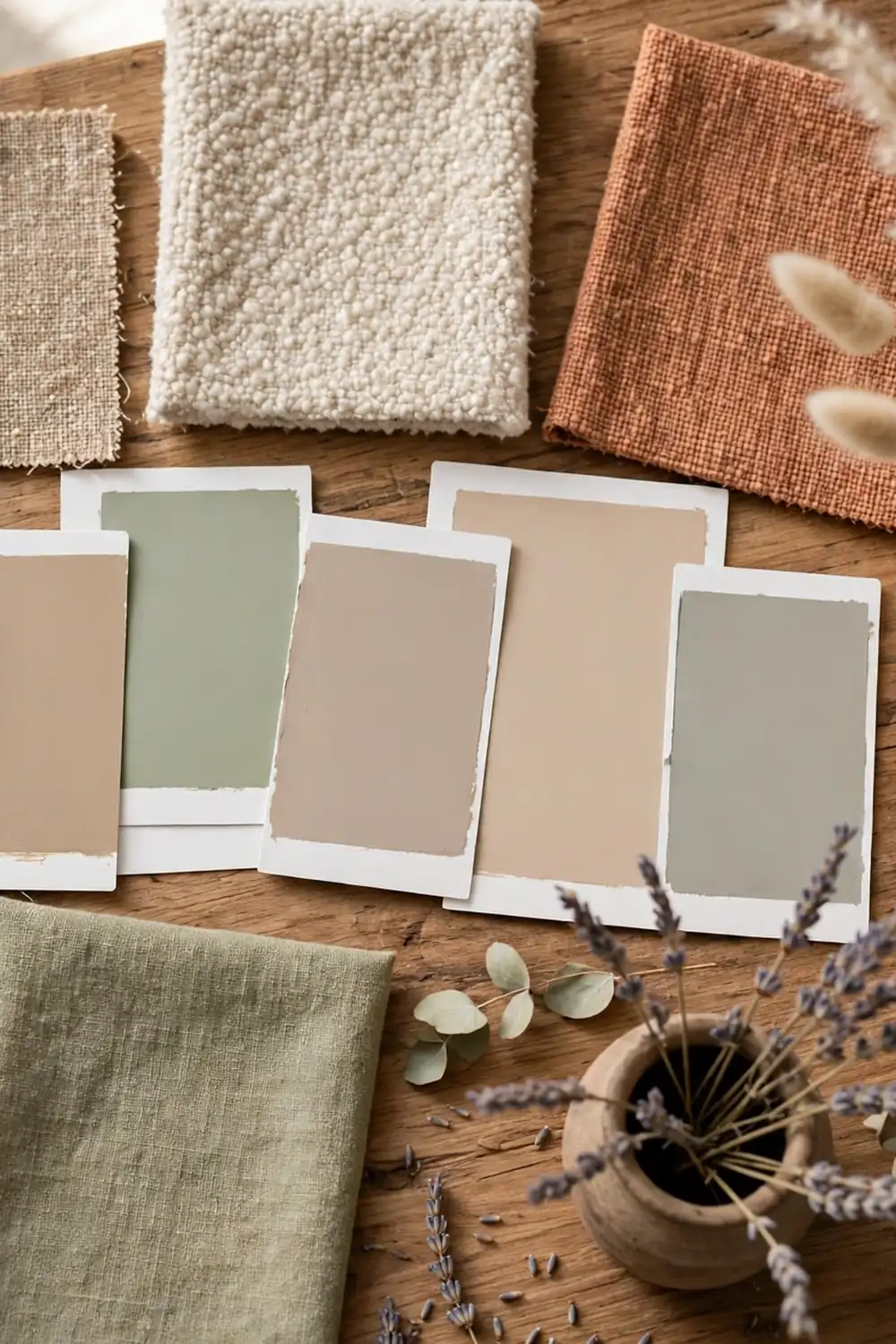
Trends come and go quickly, but a home decorated around your own life, light and architecture will feel right for years. Before buying anything, spend time noticing how you actually live. Which rooms do you use most, and at what times of day? Where does the light fall in the morning and evening? Which pieces of furniture do you love, and which are you keeping only because replacing them feels like a chore? Honest answers to these questions will guide better decisions than any trend forecast.
It also helps to identify the style you naturally gravitate towards. Some people feel at home among warm woods, earthy colours and natural textures, while others prefer clean lines, pale colours and minimal clutter. Neither is better, and most homes sit somewhere between styles. Collect images you love, whether from magazines, gardens or houses you have visited, and look for the patterns: the colours that repeat, the materials that appear again and again, and the moods that draw you. Those patterns are your personal style, and decorating around them will always feel more authentic than copying a showroom.
Work with what you already have
Before spending anything, look at your home with fresh eyes. Rearranging furniture, moving artwork to a better wall, or swapping cushions between rooms can transform a space for free. A rug that looks lost in a large room may be perfect in a smaller one, and a lamp moved beside a reading chair may finally get used every evening. Decluttering is equally powerful. Removing a few items that no longer serve you, from broken ornaments to furniture that blocks a walkway, instantly makes a room feel calmer and more spacious. Decorating is often as much about editing as it is about adding.
Choose a colour palette for the whole home
A home feels coherent when its rooms share a loose colour palette, even if each room has its own character. Choose two or three main neutrals for walls and large furniture, then a handful of accent colours that repeat through cushions, artwork and accessories in different rooms. This does not mean every room must look the same. It means that walking from one room to another feels like a natural progression rather than a jolt. Warm neutrals such as cream, warm white and soft beige suit most homes, while sage green, dusty blue and terracotta make versatile accents that work in living rooms, bedrooms and kitchens alike.
Living Room Ideas
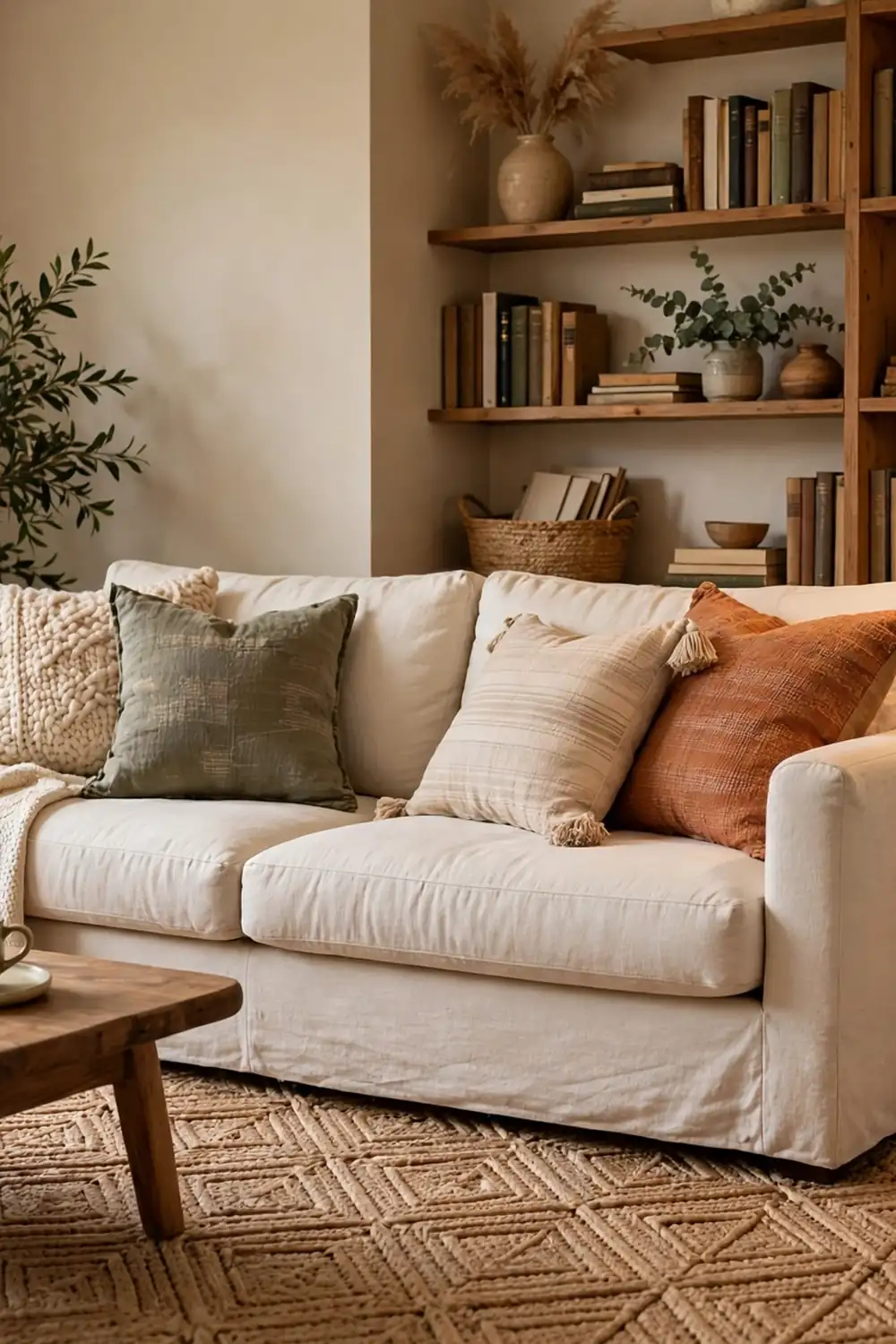
The living room is where most homes do their socialising, relaxing and everyday living, so it needs to be both comfortable and flexible. Start with the seating arrangement. Arrange sofas and chairs around a focal point, whether that is a fireplace, a television or a window view, and leave clear walkways so the room is easy to move through. A rug large enough for the front legs of all seating to rest on it will anchor the arrangement and make the room feel grounded, while a rug that is too small can make even a large room feel scattered.
Layering is what makes a living room feel inviting rather than staged. Combine different textures, such as linen cushions, a wool throw, a wooden coffee table and a woven basket, so the room feels warm and touchable. Add lighting at several heights: a ceiling light for general illumination, floor and table lamps for reading, and candles or a small lamp for evening atmosphere. Finally, add personality through artwork, books and objects that mean something to you. A living room full of personal touches feels like home in a way that a perfectly matched showroom never will.
Make a small living room feel larger
Small living rooms benefit from pale walls, mirrors placed to reflect light, and furniture that does not block sightlines. Choose a sofa that fits the room rather than dominating it, use open-legged furniture that lets you see the floor beneath, and keep window treatments light so daylight flows in. Wall-mounted shelves free up floor space, and a single large piece of artwork usually works better than many small frames competing for attention. Above all, resist overfilling the room. A few well-chosen pieces will always feel more generous than a room crammed with furniture.
Kitchen and Dining Room Ideas
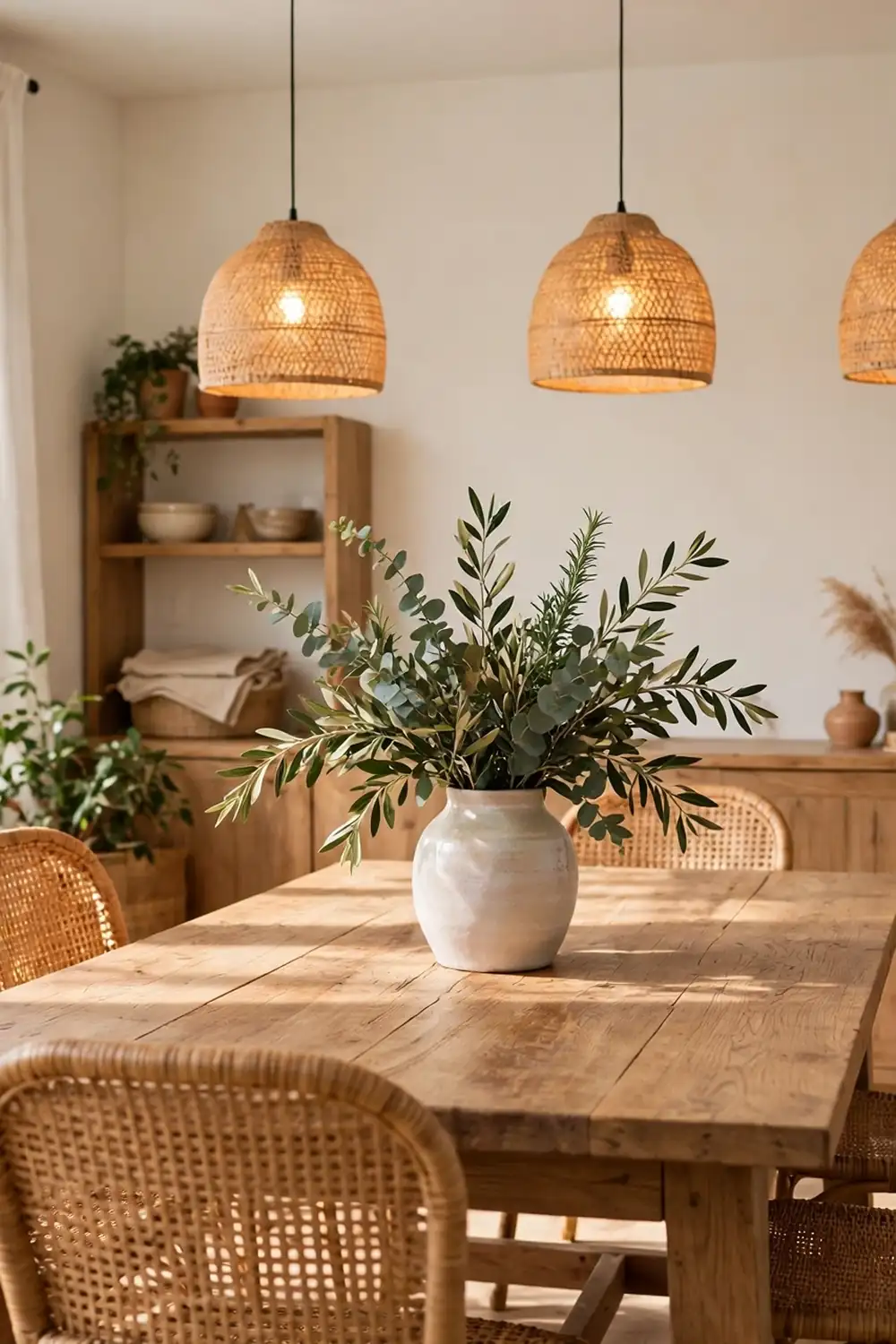
Kitchens and dining rooms are the hardest-working social spaces in most homes, so decorating here should balance beauty with practicality. In the kitchen, focus on surfaces that are easy to clean, good task lighting over worktops and the cooker, and storage that keeps clutter off counters. Open shelving can look beautiful, but it needs regular tidying, so a mix of closed cupboards for everyday items and a few open shelves for attractive pieces usually works best. Add warmth with wooden chopping boards, ceramic pots, a bowl of fruit and a few herbs on the windowsill.
Dining rooms deserve a little more drama, because they are where meals turn into occasions. A solid table that seats everyone comfortably, chairs that are comfortable enough for long conversations, and warm, dimmable lighting above the table will do more for the atmosphere than any amount of decoration. A centrepiece of greenery, candles or seasonal flowers adds life without getting in the way of conversation. If you are rethinking this space, our guide to dining room design ideas covers furniture, lighting and layout in more detail, from small breakfast corners to formal dining rooms.
Decorate with earthy, natural touches
Earthy decorating, built around natural materials and warm, muted colours, suits kitchens and dining rooms particularly well. Terracotta pots, wooden boards, linen tablecloths, stoneware and woven placemats all add texture and warmth without feeling fussy. Plants are equally valuable: a trailing plant on a shelf, a pot of basil by the window, or a vase of eucalyptus on the table brings life and colour into the room. Natural materials age gracefully, so they look better over time rather than wearing out, which makes them a sensible choice for rooms that are used every day.
Bedroom Ideas
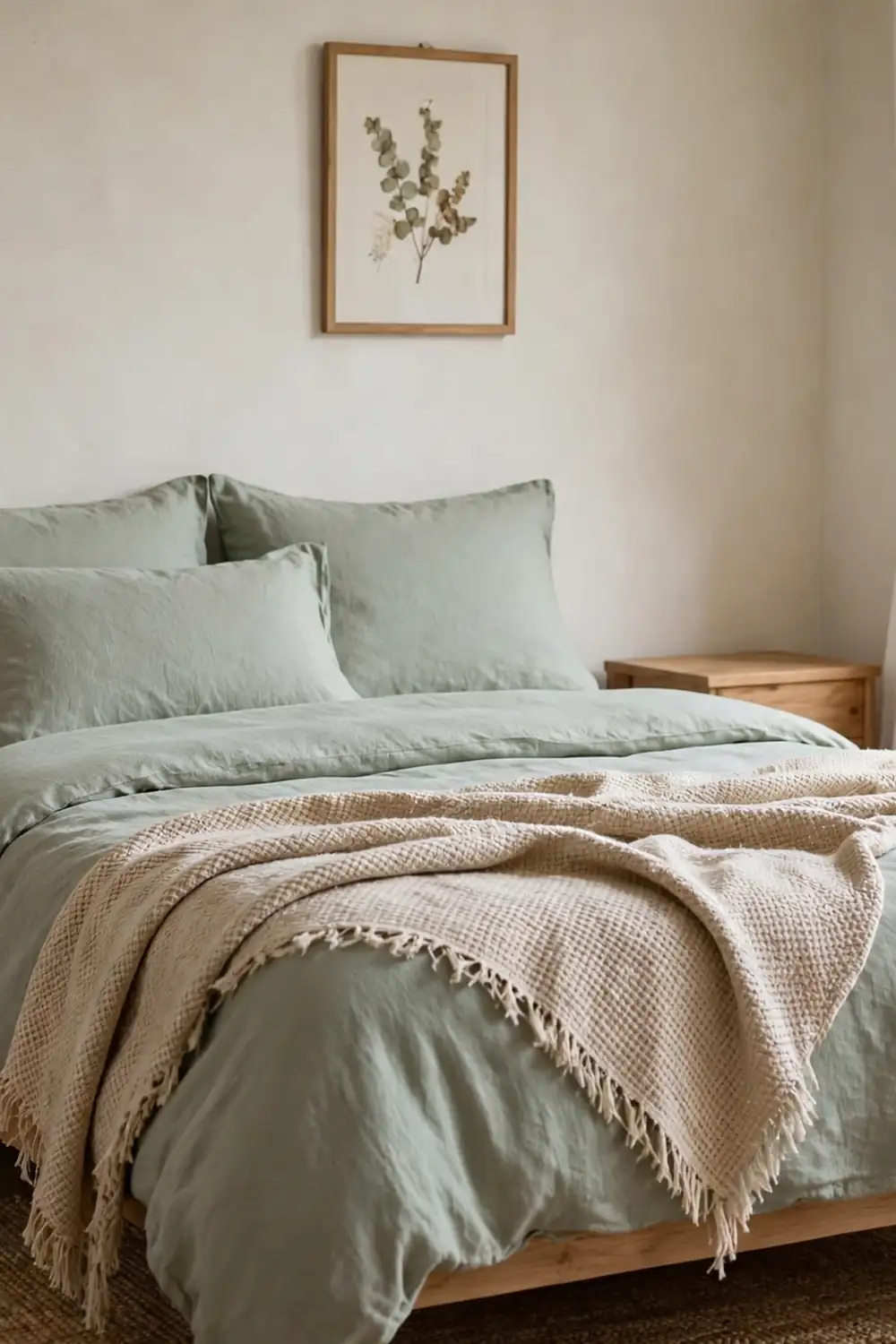
The bedroom should be the calmest room in the house, designed first for sleep and second for everything else. Choose soothing colours, such as soft blues, greens, warm neutrals or gentle blush, and keep bold, stimulating colours for small accents. Invest in good bedding, because it is what you touch every night, and layer it with a throw and cushions that can be removed at bedtime. Blockout curtains or blinds, a comfortable mattress and a clutter-free bedside table will improve sleep far more than any decorative flourish.
Storage makes or breaks a bedroom. A room with clothes draped over chairs and belongings piled on surfaces never feels restful, however pretty its colours are. Built-in wardrobes, under-bed storage and a simple routine of putting things away each evening will keep the room calm. Add personality through artwork above the bed, a favourite lamp, photographs that make you happy, and a scent you associate with rest, such as lavender. A bedroom that feels like a retreat, rather than a storage room with a bed in it, changes how you start and end every day.
Create a cosy reading corner
If space allows, a small reading corner turns a bedroom from a purely functional room into a place you enjoy spending time in. All you need is a comfortable chair, a small side table, a good reading lamp and a place for books. Position the chair near a window for daylight, and add a soft throw for cooler evenings. A reading corner does not need to be large or expensive, but it gives the bedroom a second purpose, and it encourages the kind of slow, screen-free time that makes a home feel restorative.
Bathroom and Hallway Ideas
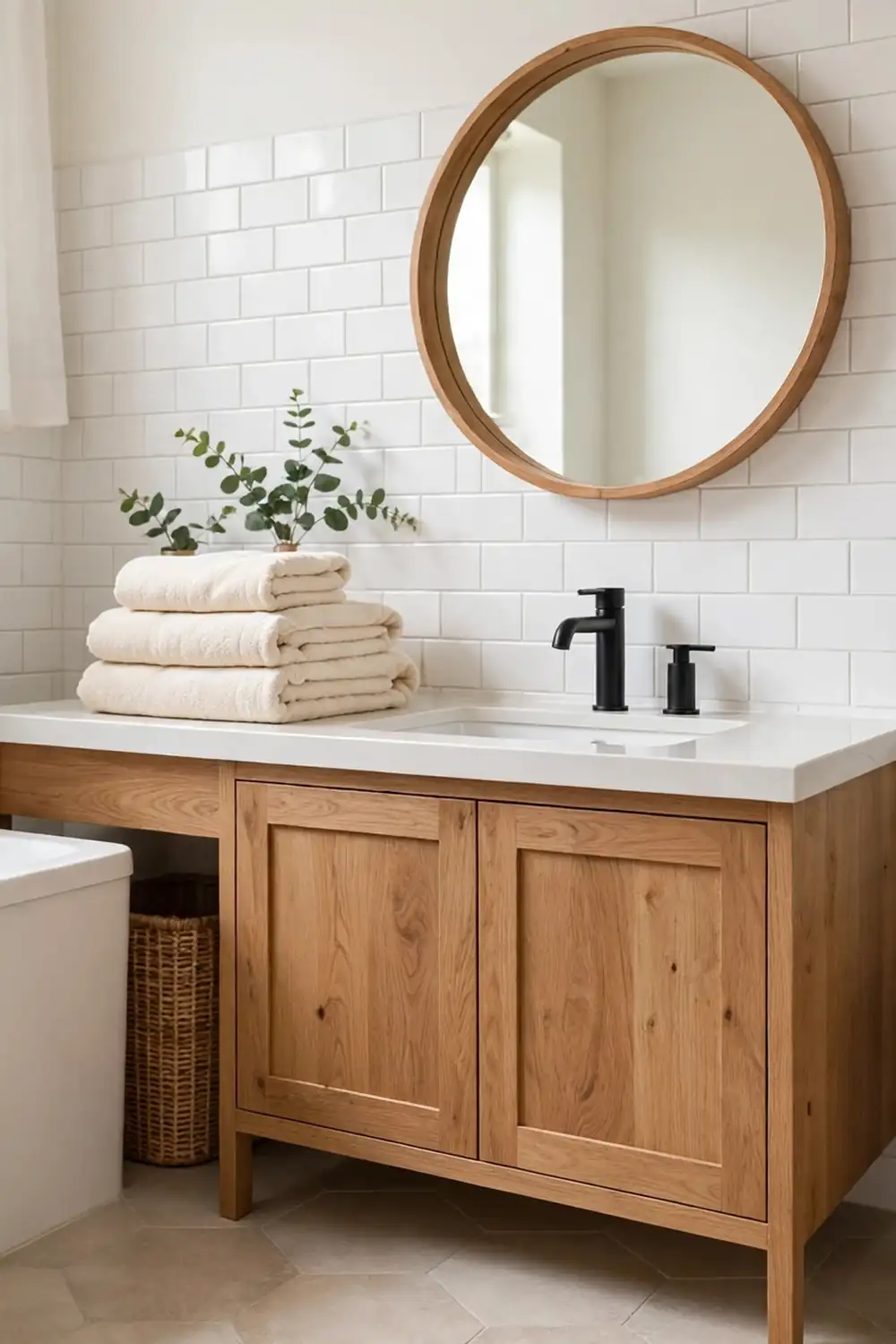
Bathrooms and hallways are often the last rooms to be decorated, yet they are used every day and they shape first impressions. In the bathroom, aim for a clean, spa-like feel: pale tiles, warm wood accents, fluffy towels and good lighting around the mirror. Replace a tired shower curtain, add a wooden bath mat, and display a few beautiful bottles rather than a crowd of half-empty ones. Plants that love humidity, such as ferns and pothos, thrive in bathrooms and add a touch of green that makes the room feel cared for.
Hallways deserve the same attention. Because they are usually narrow and short on natural light, pale colours, mirrors and good lighting work best. A console table with a mirror above it, a bowl for keys and a vase of stems can turn a bare hallway into a welcoming entrance. Add a runner rug for warmth underfoot, and use the walls for artwork or family photographs, which turn a passageway into a gallery. The entryway is the first thing visitors see and the last thing you see when you leave, so it is worth making it feel intentional rather than forgotten.
Style a console table like a designer
A console table is a small stage, and styling it well is simpler than it looks. Start with one larger anchor, such as a mirror or a piece of artwork on the wall above. Add a lamp or a tall vase for height, then a stack of books or a decorative box for a middle layer, and finish with a small object such as a candle or a tiny plant. Keep the arrangement to odd numbers of items, leave some empty space so the display can breathe, and step back to check the overall balance. A well-styled console table makes an entire hallway feel considered.
Budget-Friendly Updates That Look Expensive
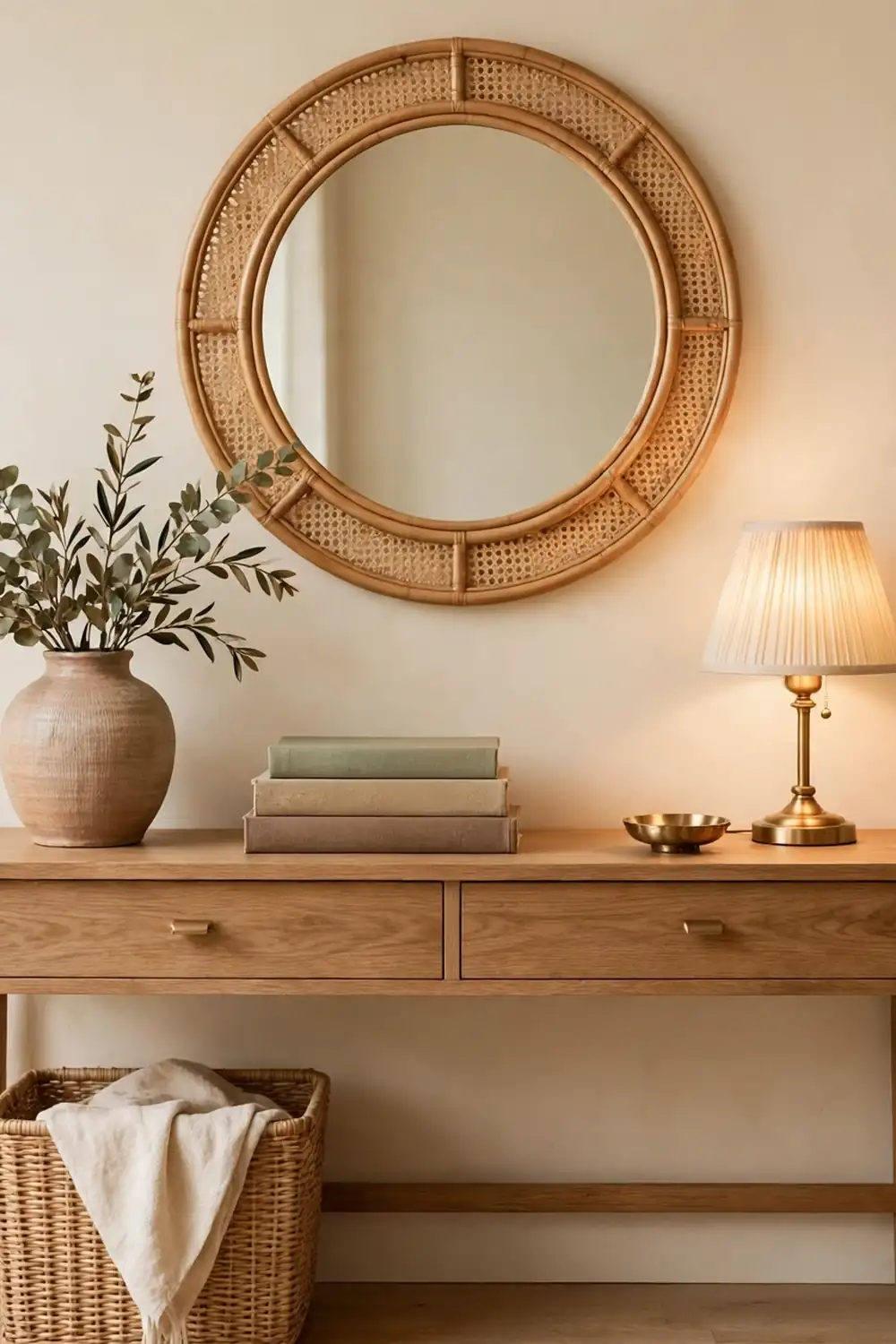
You do not need a large budget to make a home look significantly better. Paint is the single most transformative and affordable update: a fresh coat in a warm white or a soft, contemporary colour can make a tired room feel new. Swapping old cushion covers, curtains or a rug is another high-impact change, because textiles set the tone of a room. Replacing dated light fittings, door handles and drawer knobs is surprisingly affordable and instantly modernises a space, while a large mirror can make a small room feel brighter and more generous.
Artwork is another area where small spending goes a long way. Large, inexpensive prints in simple frames, a gallery wall of family photographs, or a piece of fabric stretched over a frame can fill a bare wall beautifully. Plants, too, are among the best-value decorations: a few well-chosen houseplants add life, colour and texture to every room. If you want specific, affordable pieces to start with, our round-up of affordable decor items every home needs lists practical buys that work in almost any home, from mirrors and throws to baskets and vases.
Refresh a room in a single weekend
A weekend refresh works best when you focus on one room and a short list of changes. Start by decluttering and deep cleaning, which alone can transform a space. Then paint a feature wall or touch up scuffed woodwork, swap textiles such as cushions and throws, rearrange furniture for a better flow, and add a few finishing touches such as fresh flowers, a new lamp or a piece of artwork. Doing one room properly feels far more satisfying than making half-hearted changes across the whole house, and it gives you momentum to tackle the next room when you are ready.
Styles That Stand the Test of Time
Some decorating styles age gracefully because they are built on natural materials, classic proportions and colours that do not date quickly. A warm, earthy style with wooden furniture, linen textiles and muted greens and terracottas feels timeless and welcoming. A classic, tailored style with cream walls, dark wood and simple, elegant furniture suits older homes beautifully. A relaxed coastal style with pale blues, whites and natural fibres feels fresh without being tied to a particular year. Whichever style you choose, anchor it with good-quality basics and let trends appear only in easily changed accessories.
Mixing styles can also work, provided there is a unifying thread. A modern sofa can sit happily beside a vintage wooden table if they share a colour or a material, and a contemporary lamp can look wonderful in a traditional room. The key is repetition: repeat a colour, a material or a shape at least three times through a room, and the mix will feel deliberate rather than accidental. Avoid filling a room with items that share nothing at all, because that is what makes a space feel like a jumble rather than a collection.
Good to Know
Before starting any decorating project, a few practical points will save time and money. First, measure everything, including doorways and staircases, before ordering furniture, because a sofa that cannot get into the room is an expensive mistake. Second, test paint colours on the wall in different lights before committing, since colours shift dramatically between morning, evening and artificial light. Third, set a budget for each room and keep a small contingency for unexpected costs, such as extra paint or a repair discovered mid-project.
Finally, remember that decorating is a process, not a single event. The most comfortable homes evolve over years, as pieces are found, inherited or replaced, and as the people living there change. Do not feel pressured to finish everything at once. Start with the rooms you use most, make changes you can afford, and let your home grow with you. The garden, too, is part of the picture, because the view through a window shapes how a room feels. Our guide to top garden design tips shows how to plan outdoor colour and structure so the view from your rooms works as hard as the rooms themselves.
FAQ
How can I decorate my home on a small budget?
Start with paint, which is the cheapest way to transform a room, then swap textiles such as cushion covers and curtains, and add affordable accessories such as mirrors, plants and artwork. Decluttering and rearranging furniture costs nothing and often makes the biggest difference. Focus on one room at a time, and choose updates that change the overall feeling of the room rather than many small items that add clutter.
What colours work best for a living room?
Warm neutrals, soft greens and muted blues are reliable living room colours, because they feel welcoming without being overpowering. Pair a pale or mid-toned wall colour with warmer accents in cushions, throws and artwork to add personality. If your living room is large, a deeper accent wall can make it feel more intimate, while small rooms benefit from paler walls and colour brought in through textiles.
How do I choose a decorating style for my home?
Notice the colours, materials and moods you are naturally drawn to, whether in houses you visit, gardens, or images you save. Look for patterns in what you love, and build your palette around those patterns rather than copying a trend. A style that reflects your own taste and suits your home’s architecture and light will feel right for years, while a purely fashionable scheme can date quickly.
What is the easiest way to make a room feel cosier?
Layer textures and lighting. Add a soft rug, cushions and a throw, use lamps instead of a single bright ceiling light, and include warm materials such as wood and wool. Curtains, even in a simple linen, soften a room instantly, and a few personal items such as books and photographs make it feel lived in rather than staged. Scent, from candles or fresh flowers, also plays a surprisingly large role in cosiness.
How can I make a small room feel bigger?
Use pale colours, mirrors and furniture that does not block sightlines. Keep window treatments light, choose open-legged furniture, and avoid overfilling the room. A large rug that anchors the seating, a single large artwork instead of many small frames, and clear walkways all help a small room feel more generous and calm.
Should every room in my home match?
No, but rooms should relate to each other. Choose a loose palette of shared neutrals and a few accent colours that repeat through the house, so moving from room to room feels coherent rather than jarring. Each room can still have its own character and purpose, from a calm bedroom to a lively dining room, as long as the overall palette holds the home together.






1 thought on “Home Decorating Ideas for Every Room and Budget”