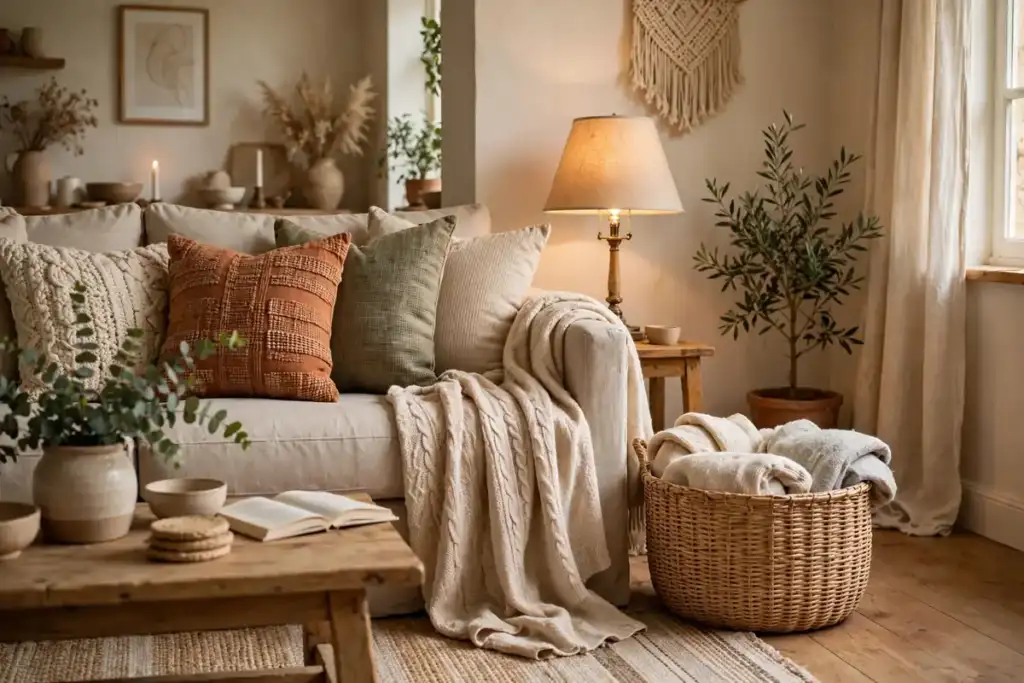
A home does not need an expensive renovation to feel finished. Often, all it needs is a handful of well-chosen, affordable pieces that add comfort, warmth and personality to rooms that already have good bones. A small table where you can set down a cup of tea, a cushion that makes a sofa inviting, a lamp that softens the evening light: these are the items that turn a house into a home, and none of them needs to cost a fortune.
The ten items below are the workhorses of home decorating. Each one is affordable, easy to find, and useful in more than one room, which is what makes them worth buying. For each item you will find what it is, why it works, and roughly what to pay, so you can shop with confidence and avoid the most common decorating trap: buying something cheap that looks cheap, instead of something affordable that looks considered. If you are planning a bigger refresh, our guide to home decorating ideas will help you tie these pieces into a wider plan.
How to Spend a Little and Gain a Lot
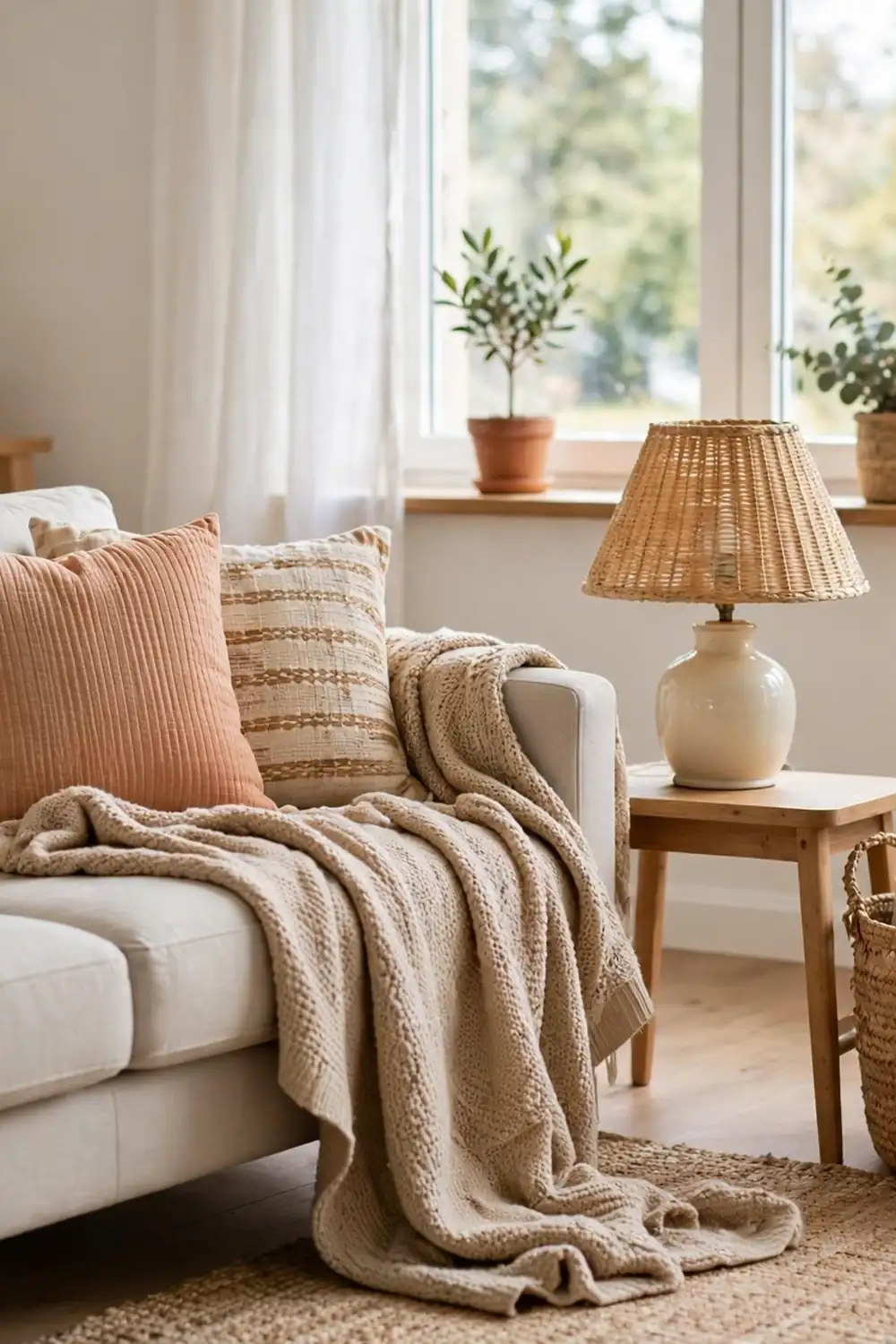
Affordable decorating works best when you spend where it shows and save where it does not. Items you touch every day, such as cushions, throws and lamps, are worth a little more, because quality shows in how they feel and how they last. Items that are purely visual, such as a decorative bowl or a basket, can be found very cheaply without anyone noticing. The trick is to choose a simple colour palette first, ideally two or three colours that already appear in your home, and then buy pieces that fit it. Random bargains in clashing colours will always look like random bargains. A small number of coordinated pieces will look like a plan.
It also pays to buy slowly. Start with the pieces that solve a real problem, such as a missing lamp in a dark corner or nowhere to put a drink beside the sofa, and add decorative pieces afterwards. A room improved one useful item at a time will always feel more coherent than a room filled in a single shopping trip. Keep receipts where you can, try pieces at home before committing to a set, and remember that the most expensive-looking rooms are usually the ones with the fewest, best-chosen items, not the most.
Start With the Rooms You Use Most
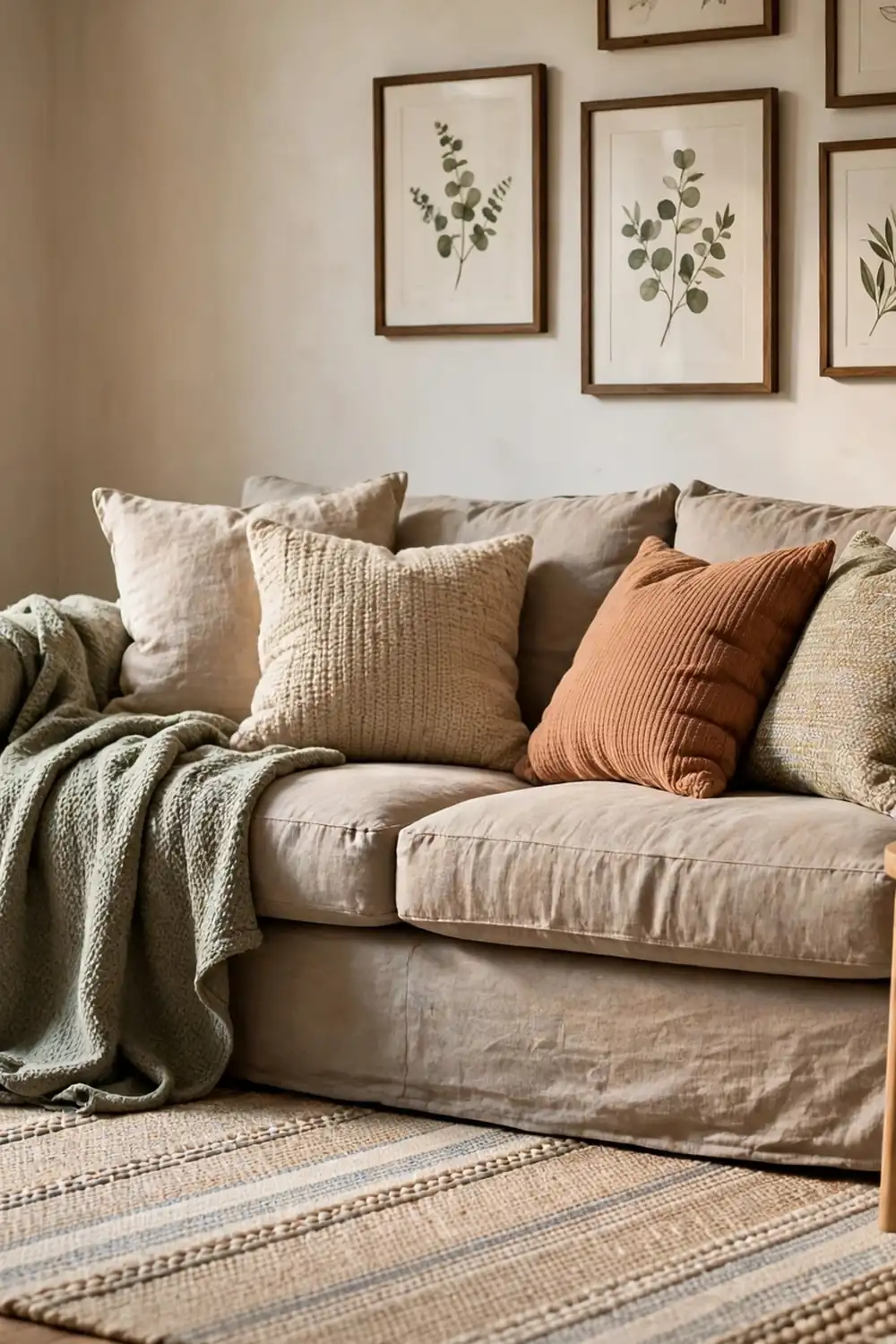
Before buying anything, decide where it will live. The living room and the bedroom are the rooms you spend the most time in, so they deserve attention first. A hallway or a bathroom can be transformed later with a single piece, such as a small table or a basket, but there is little point in styling a spare room while the sofa you sit on every evening is uncomfortable and unlit. Walk through your home with fresh eyes, note the spots that feel unfinished or awkward, and let that list guide your shopping. The ten items below are ordered to help with exactly those everyday rooms.
The 10 Affordable Decor Items Every Home Needs
1. A drink table
A drink table is a small, tall side table, just big enough for a mug, a glass or a book, and it is one of the most useful pieces you can own. Unlike a bulky coffee table, it can float beside a sofa, between two chairs, or next to a bath, without crowding the room. It also doubles as a pedestal: place a vase or a small sculpture on top and it becomes a display piece in its own right. Look for a simple tripod or pedestal design in wood or metal, sturdy enough not to wobble when you set a cup down. Expect to pay around £25 to £60 for a good one, and buy one or two rather than a matching set, since a pair that can move around the house will serve you far better than a fixed set.
2. Lumbar pillows
A lumbar pillow is a long, rectangular cushion, and it is the secret to making a sofa or a bed look professionally styled. Where square cushions can look like a pile, a lumbar pillow adds length, balance and a grounding line across the middle of a seating arrangement. It is also a wonderful way to introduce a new colour or pattern without committing to a whole room scheme, since one bold lumbar pillow can carry an accent colour for the entire space. Choose a removable, washable cover in a durable fabric, and fill it generously so it keeps its shape. Expect to pay around £15 to £35 each, and start with one per sofa or bed before adding more.
3. Euro-size pillows
Euro pillows are large square cushions, usually around 65 centimetres, that sit behind your standard pillows on a bed or anchor the back of a deep sofa. They add height and softness, making a bed look plush and a sofa feel deep and inviting, and they are genuinely comfortable for sitting up in bed to read. The key is the insert: buy an insert slightly larger than the cover so the pillow looks full rather than flat. A pair of euro pillows in a plain colour, such as white, cream or soft grey, will work with any bedding you already own. Expect to pay around £15 to £30 each including the insert, and wash the covers regularly to keep them looking fresh.
4. A task lamp
Good lighting transforms a room more than almost any other single purchase, and a task lamp is the most versatile form of it. A well-placed lamp beside an armchair or on a desk gives you focused light for reading, softens a room in the evening, and removes the harshness of a single overhead light. Look for a lamp with a warm-toned bulb and, ideally, an adjustable head or a dimmer, so you can tune the light to the task. A simple ceramic, wood or metal base in a neutral finish will suit most rooms and will not date quickly. Expect to pay around £25 to £55, and remember that the bulb matters as much as the lamp: warm white, around 2700 kelvin, feels cosy, while cool white can feel clinical in a living room.
5. A quilt or throw
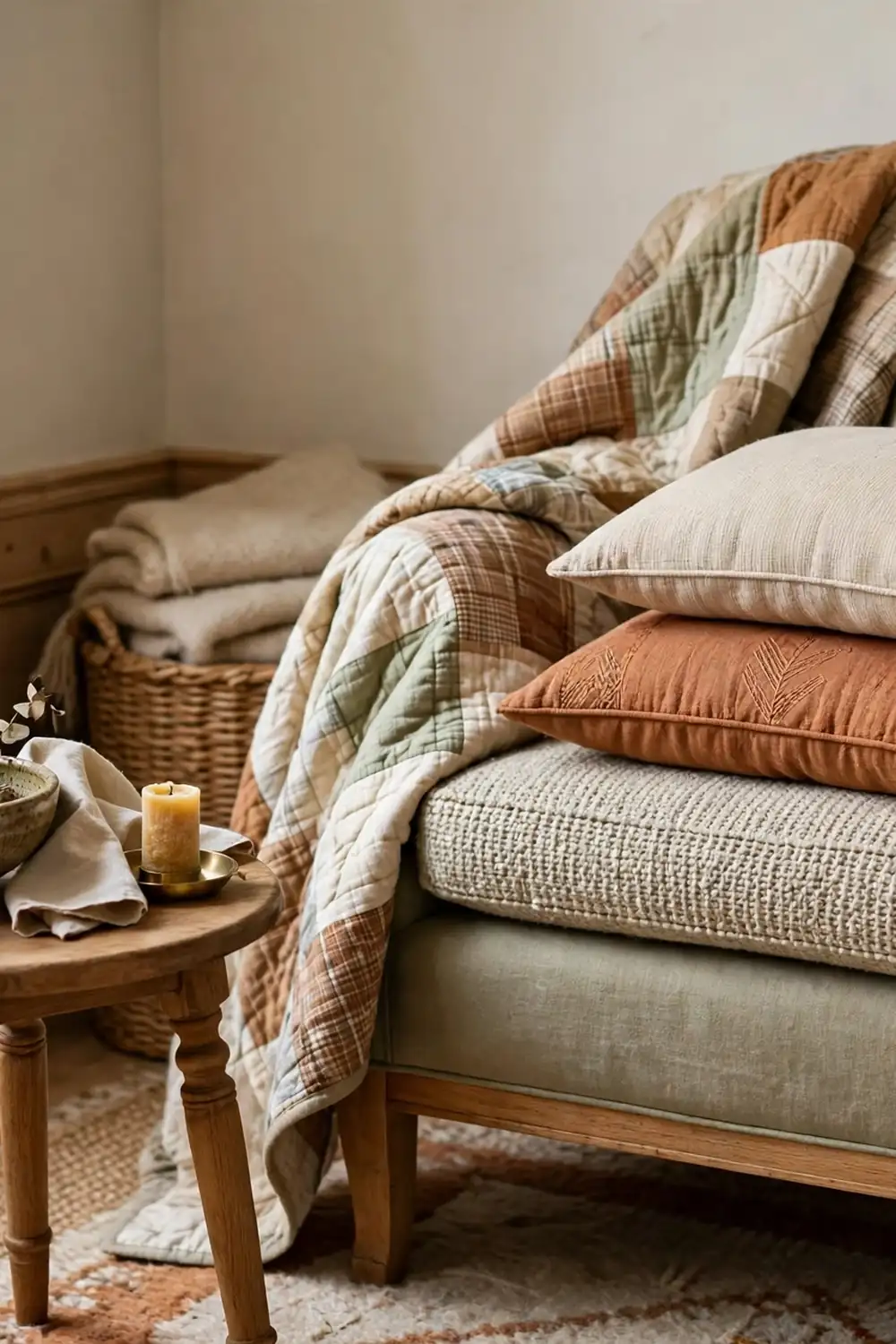
A quilt or a soft throw draped over a sofa arm, folded at the foot of a bed, or kept in a basket by the fire adds instant warmth and texture. It is also practical: on a cool evening, it is the first thing you will reach for, and on a summer morning it adds a layer of colour without any weight. Choose a washable fabric, since throws are used hard, and pick a colour or pattern that echoes something already in the room, such as a cushion or a piece of art. A generously sized throw, at least 130 by 180 centimetres, is far more useful than a small decorative one. Expect to pay around £20 to £50, and keep one in the living room and one in the bedroom for everyday comfort.
6. Decorative canisters
Decorative canisters are lidded jars or containers, and they are the quiet organisers of a beautiful home. In a kitchen, they hold tea, coffee, pasta or baking ingredients and replace a jumble of packets with a calm, uniform row. In a bathroom, they hold cotton wool, bath salts or soap. In a living room, a single large canister can hold remote controls, matches or small treasures that would otherwise clutter a tabletop. Glass canisters show off attractive contents, while ceramic or stoneware ones give a cleaner, more uniform look. Expect to pay around £8 to £25 each, and buy a set of two or three in the same material for the most polished effect.
7. An outdoor rug
An outdoor rug is a flatweave rug made from weather-resistant materials, and it is a surprisingly powerful tool indoors as well as out. On a patio or balcony, it defines a seating area and makes bare paving feel like a room. In a hallway, a kitchen or a children’s play area, its durability and easy cleaning make it far more practical than a delicate wool rug, and modern designs are often indistinguishable from indoor rugs. Choose a size that fits under the front legs of your seating at least, since a rug that is too small will look lost. Expect to pay around £25 to £70 depending on size, and hose it down or shake it out regularly to keep it looking new.
8. A decorative bowl
Every home needs at least one beautiful bowl, and it will earn its place in more ways than you expect. On a coffee table, a bowl filled with pine cones, dried oranges or simple greenery becomes a centrepiece. On a hallway console, it becomes the place for keys and loose change. On a dining table, it can hold fruit and double as a serving piece. Choose a material with some character, such as turned wood, hammered metal, or hand-glazed ceramic, and a size that suits its spot: too small and it disappears, too large and it dominates. Expect to pay around £15 to £40, and change its contents with the seasons to keep it feeling fresh all year.
9. Pinch-pleat curtains
Pinch-pleat curtains are curtains with small, permanently sewn pleats at the top, and they hang in soft, even folds that instantly make a window look tailored and expensive. Compared with flat tab-top or eyelet curtains, they drape more elegantly, block drafts more effectively, and suit both traditional and contemporary rooms. The secret to making them look high-end is to hang them high and wide: mount the rod close to the ceiling and extend it beyond the window frame, so the curtains frame the window rather than covering it, and choose a length that just kisses the floor. Expect to pay around £30 to £80 per pair for ready-made pinch-pleats, and choose a lined pair for bedrooms and draughty windows.
10. Floor baskets
A floor basket is a large, sturdy basket that sits on the floor, and it is the most forgiving storage solution in home decorating. It holds throws, children’s toys, magazines, firewood or laundry, and it does so while looking warm and natural rather than utilitarian. Unlike a plastic box, a woven seagrass, cotton rope or rattan basket adds texture to a room, softens hard corners, and can be moved wherever it is needed. Choose one with handles for easy carrying, and a size that fits its job without overwhelming the room: a basket that swallows a whole sofa corner is too big, while one that cannot hold a folded throw is too small. Expect to pay around £20 to £45, and keep one in the living room and one in the bedroom.
How to Style Them Without Clutter
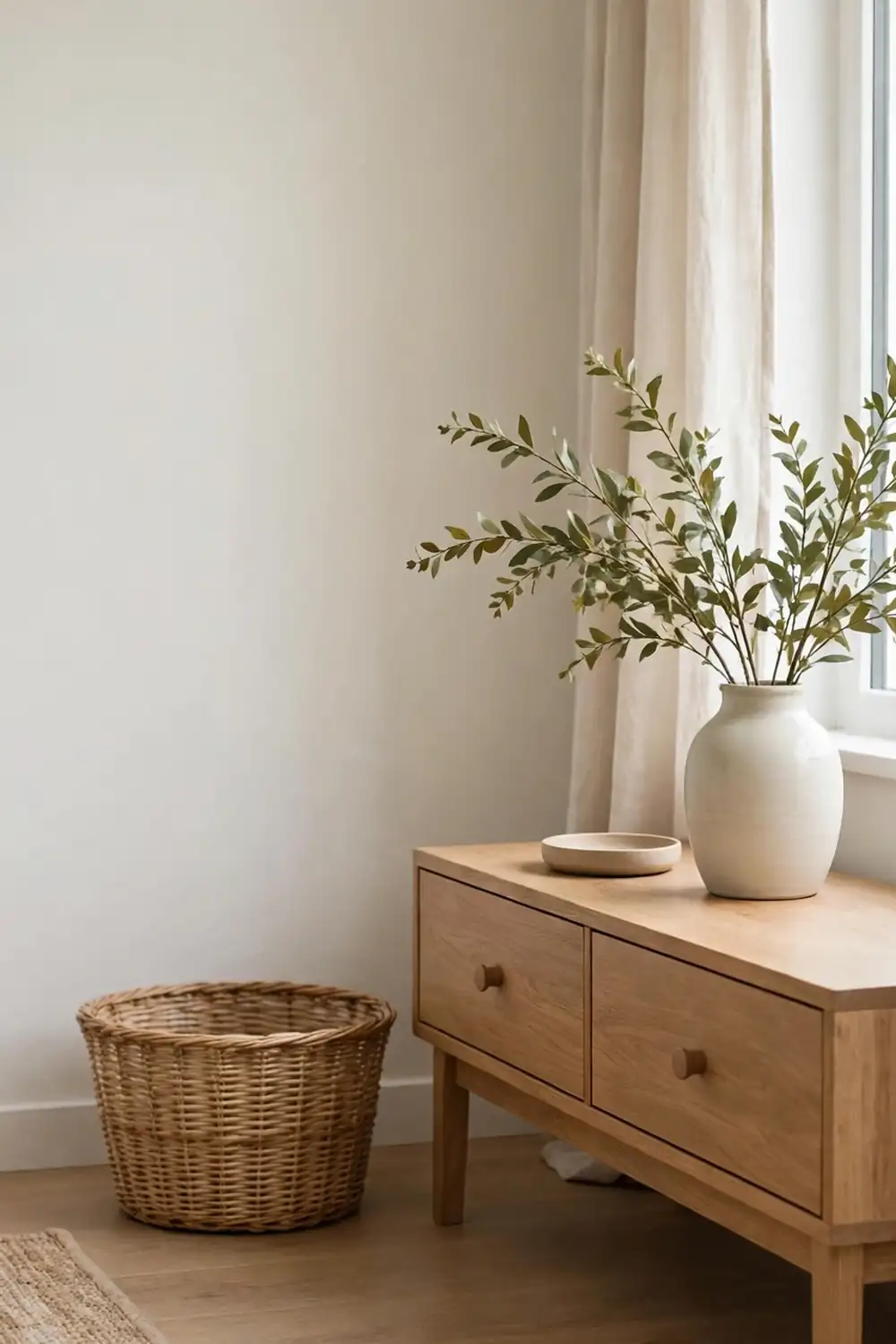
Ten new items can easily become ten new sources of clutter if they are not placed with intention. The rule is simple: every item needs a home, a job, and breathing room. A drink table beside the sofa has a job. A basket holding throws has a home. A bowl on a console has a purpose. If an item has none of these, it is clutter, however pretty it is, and it should be moved or removed. Group items in odd numbers where you can, leave empty space on shelves and tabletops, and step back regularly to check the whole room rather than a single corner.
Colour is your other organising tool. The way colour affects mood and perception is worth understanding before you buy, and our guide to colour psychology in interior design explains how warm, cool and neutral tones change the feel of a room. If your new pieces share a palette with your existing furniture, they will look like they belong, even if they were bought months apart. If you are styling a dining area in particular, our guide to dining room design ideas shows how small pieces such as bowls, lamps and textiles can complete a table setting without a full redesign.
Good to Know
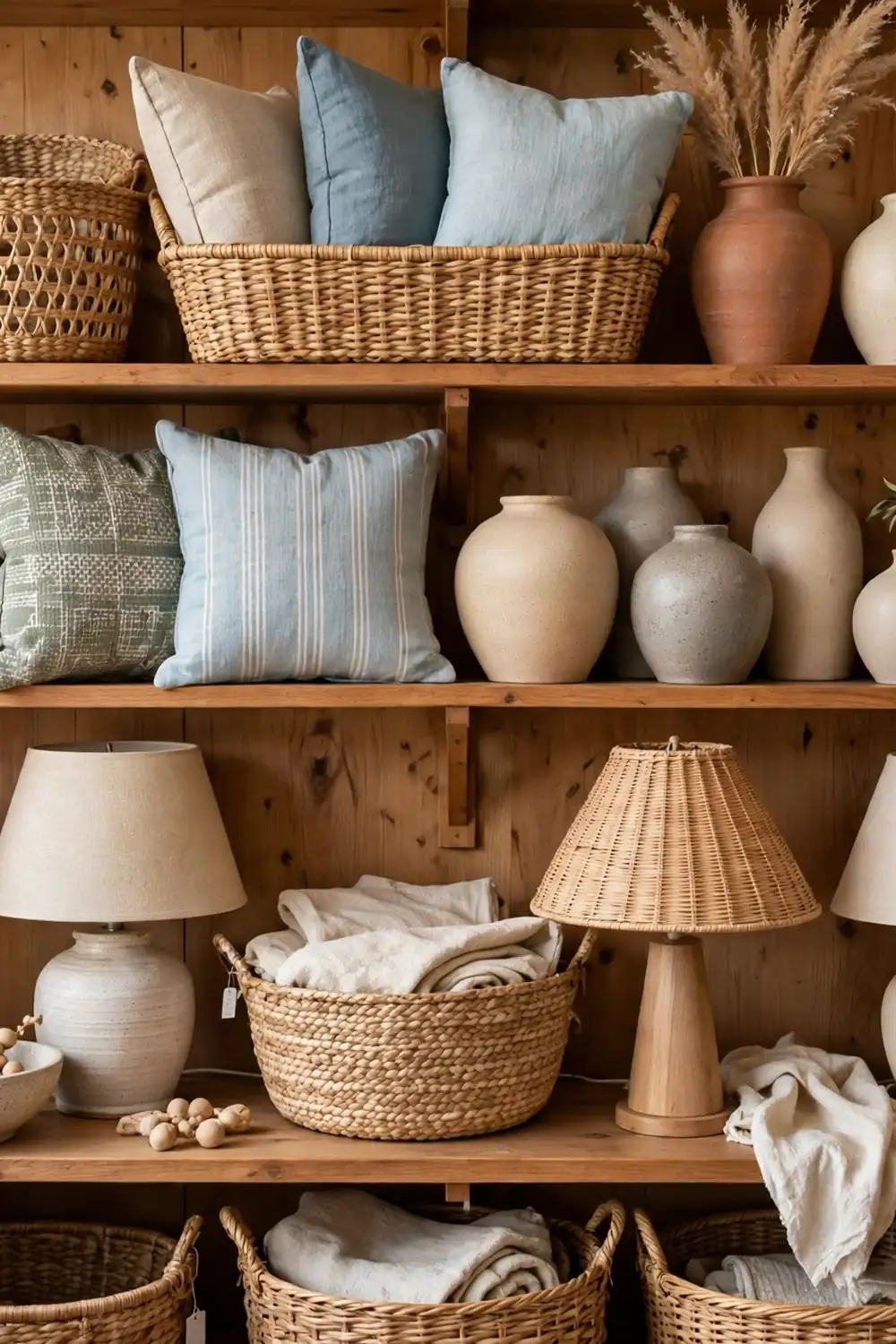
Before you shop, a few practical points will save you money and disappointment. First, measure before you buy, especially for rugs, curtains and baskets, since a beautiful item in the wrong size is a return waiting to happen. Second, check care labels: washable cushion covers, throws and rugs will look good for years, while dry-clean-only pieces in high-traffic rooms often will not. Third, buy the best you can afford for items you touch daily, such as pillow inserts and lamp switches, and save on purely decorative pieces, where the difference between budget and premium is often invisible.
Finally, remember that affordable does not mean disposable. A well-made basket, a solid drink table or a good lamp can last for decades and move with you from home to home. Choose natural materials where you can, avoid ultra-trendy finishes that will date within a year, and keep the pieces you love rather than replacing them each season. A home built slowly from useful, beautiful, affordable things will always feel more personal than a room filled overnight from a single catalogue.
FAQ
What is the first affordable decor item I should buy?
Start with lighting. A good task lamp changes how a room feels in the evening more than any other single purchase, and it makes every other piece in the room look better. After lighting, a drink table and a set of cushions will make the biggest everyday difference.
How much should I budget for affordable home decor?
Most of the items in this guide cost between £15 and £60 each, so a meaningful refresh of one room can be done for £150 to £300, spread over several purchases. Buying slowly, one useful item at a time, keeps the cost manageable and the result more coherent.
How do I make cheap decor look expensive?
Stick to a simple colour palette, choose natural materials such as wood, cotton and ceramic, and hang curtains high and wide. Group items in odd numbers, leave empty space on surfaces, and invest a little more in the pieces you touch daily, such as cushion inserts and lamp bulbs.
Are outdoor rugs suitable for indoor use?
Yes. Modern outdoor rugs are made from durable, easy-to-clean materials and many designs look identical to indoor rugs. They are an excellent choice for hallways, kitchens and children’s areas, where spills and heavy foot traffic would damage a delicate rug.
What size curtains should I buy?
Mount the rod close to the ceiling and wider than the window frame, and choose curtains long enough to just touch the floor. This makes windows look larger and ceilings look higher, and it lets pinch-pleat curtains hang in their best, most even folds.
How many cushions should I have on a sofa?
For a standard three-seater sofa, three to five cushions usually looks best: a pair of euro or square cushions at each end, plus one lumbar pillow in the middle. Fewer, well-filled cushions always look better than a crowd of flat ones.