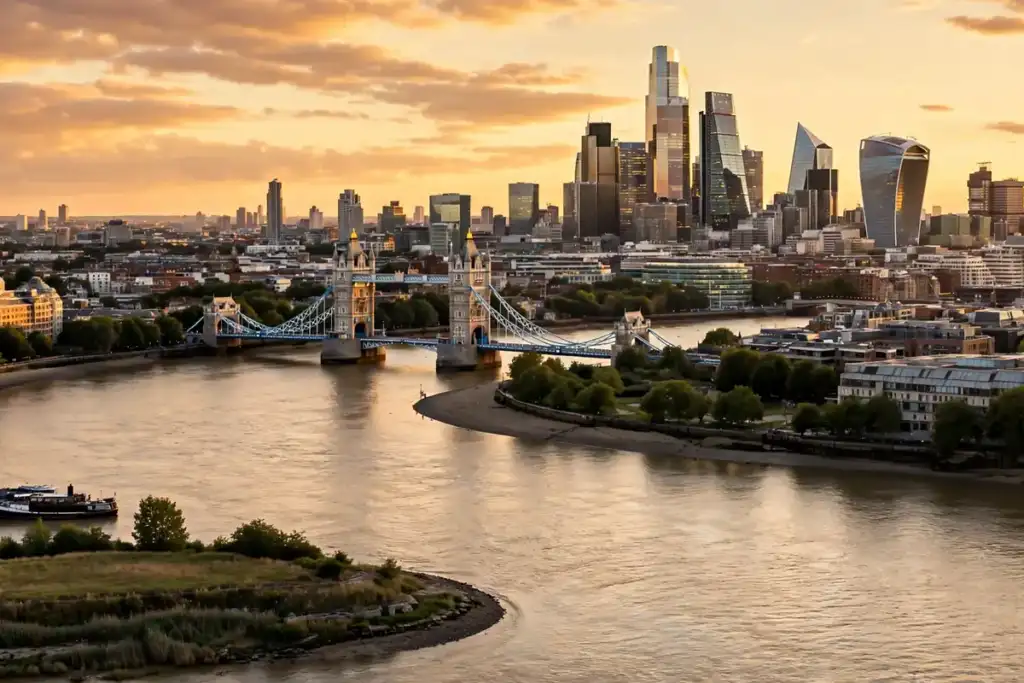
London rewards the curious. It is a city where a medieval fortress stands within sight of glass towers, where a quiet canal towpath runs a short walk from a roaring market, and where some of the finest views cost nothing at all. First-time visitors often try to see everything at once and end up exhausted; the better approach is to mix the famous sights with neighbourhood wandering, green space and good food. This guide brings together fifteen experiences that, taken together, give a rounded picture of the capital: grand landmarks, historic streets, museums, parks, markets and a stretch of the river that ties them all together.
Westminster and the West End
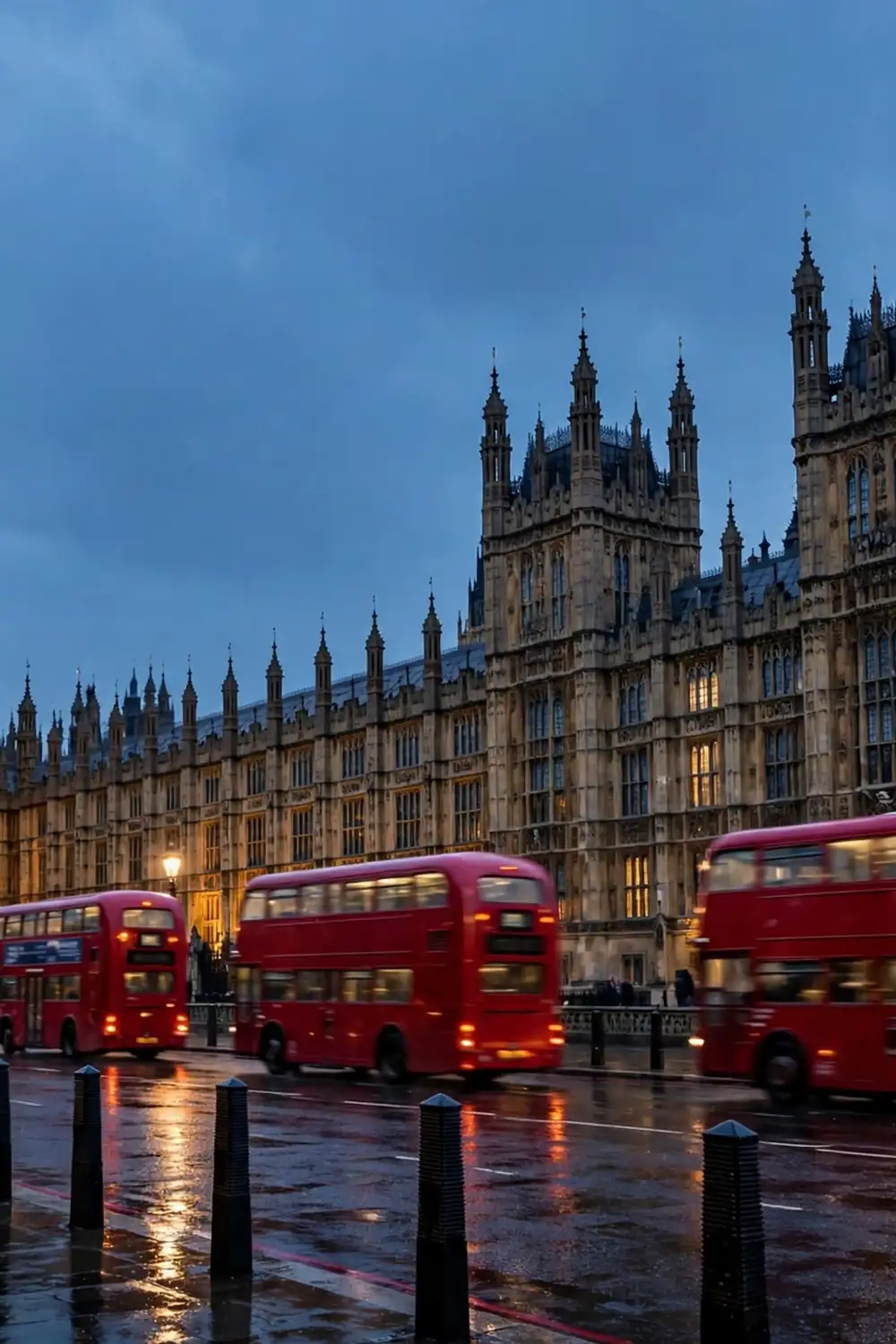
For many visitors, central London begins here, and for good reason. The area packs an extraordinary number of landmarks into a walkable patch, while just to the north the West End adds theatres, shops and streets that stay lively long after dark.
1. Take in the Westminster Landmarks
Westminster is the seat of government and the ceremonial heart of the country. The clock tower most people call Big Ben rises beside the Palace of Westminster, and across the road stands Westminster Abbey, a Gothic church where coronations, royal weddings and state occasions have taken place for centuries. Inside, the Abbey holds tombs and memorials to monarchs, writers, scientists and statesmen, and its stained glass and stone carving repay a slow look. A short stroll away, Trafalgar Square, with Nelson’s Column at its centre, makes a natural meeting point, while Buckingham Palace, the monarch’s official London residence, draws crowds for the Changing of the Guard ceremony. Because this area is so popular, booking timed entry in advance for the Abbey and other paid sights is wise, and it is always worth confirming current arrangements on the official site before you go.
2. Explore the West End
The West End is London’s theatre and shopping quarter, and it changes character from street to street. Oxford Street is the busiest shopping thoroughfare, lined with large stores and familiar brands, while Regent Street, with its sweeping curve of elegant facades, feels more polished, and Bond Street is quieter, with high-end boutiques and art dealers. Away from the shops, Piccadilly Circus glows with advertising screens, Leicester Square hosts film premieres, and Soho offers a dense tangle of restaurants, bars and small theatres. Covent Garden is a favourite for a slower afternoon: its covered market building houses craft stalls, cafes and street performers, and the surrounding lanes are full of places to eat before an evening show. If theatre is on your list, evening performances often sell well, so booking ahead is sensible.
History You Can Walk Through
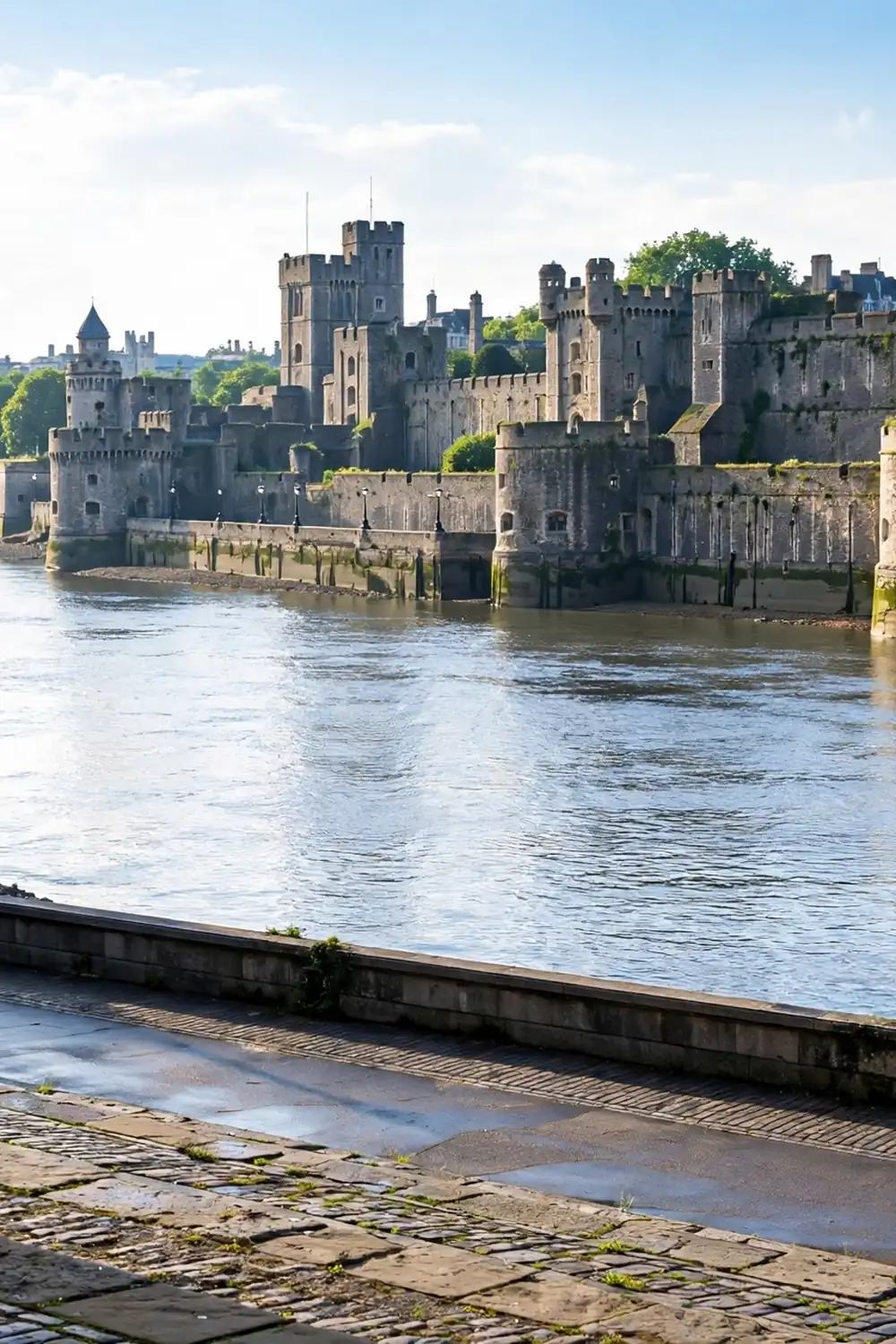
London’s long past is not locked away in display cases. Two of its greatest buildings invite you to climb, wander and stand where history happened.
3. Visit the Tower of London
On the north bank of the Thames, the Tower has stood for nearly a thousand years. Over the centuries it has served as a royal residence, a fortress, an armoury and a prison, and its thick walls and towers still dominate the riverside. The Crown Jewels, displayed within the complex, are the highlight for most visitors, but the White Tower, the medieval chapel and the riverside walk are just as memorable. Guided tours led by the Yeoman Warders, the ceremonial guards better known as Beefeaters, add stories and humour to the stones; tour times and ticket details vary, so confirm them on the official site before your visit. Allow at least half a day here, and combine it with a walk across nearby Tower Bridge.
4. Climb St Paul’s Cathedral
Sir Christopher Wren’s masterpiece, rebuilt after the Great Fire of London, is one of the city’s most recognisable silhouettes. Inside, the great dome, the mosaics and the carved stonework create a sense of scale that photographs struggle to capture. The climb to the top is part of the experience: the Whispering Gallery, high inside the dome, is famous for the way a whisper on one side can be heard on the other, and the galleries above lead to an open walkway with wide views across the City and the river. The ascent involves many steps and narrow passages, so comfortable shoes and a reasonable level of fitness help. As with other major sights, advance booking is recommended, especially at weekends.
Museums and Galleries
5. Spend Time in London’s Museums
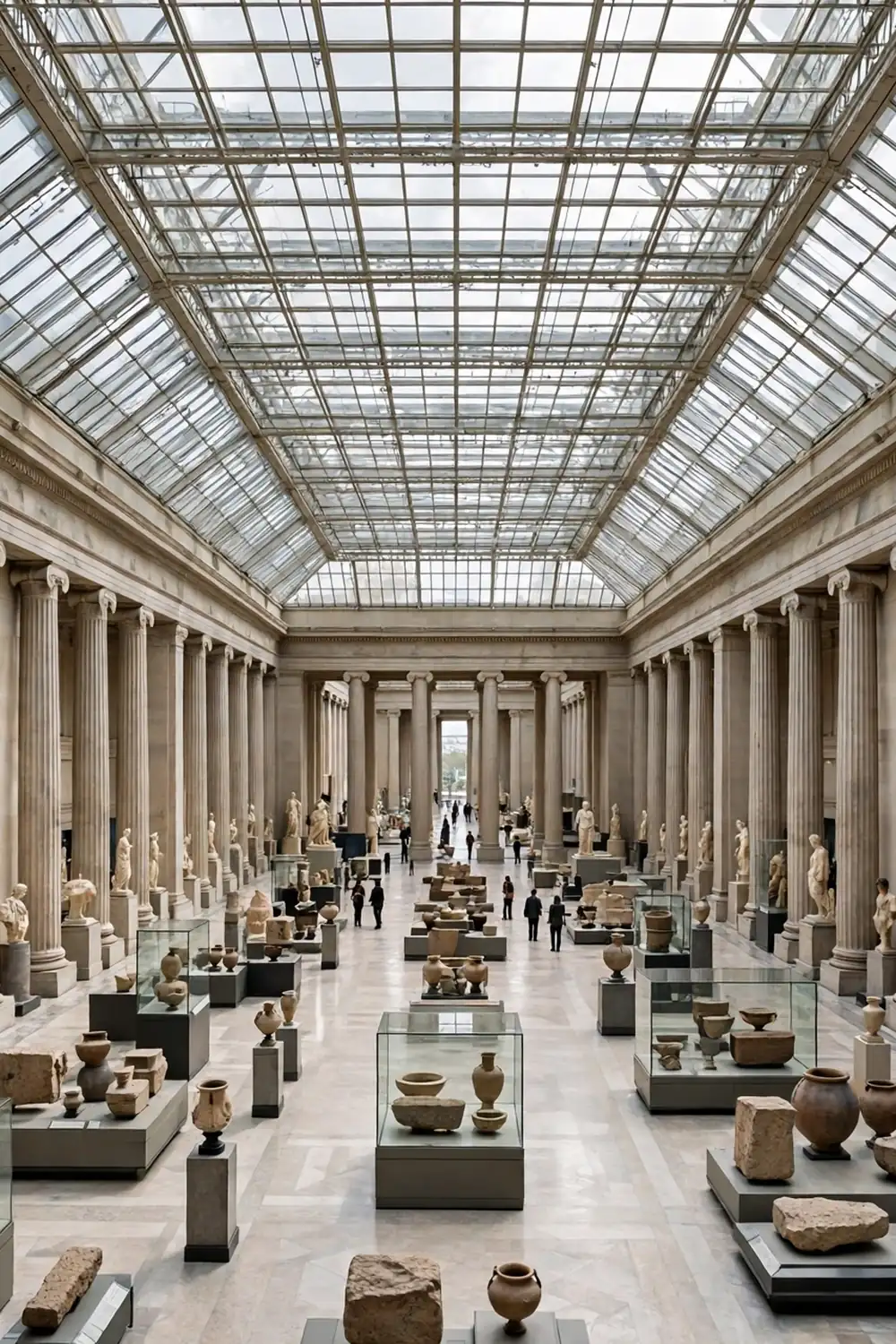
London holds more than 170 museums, and many of the largest offer free entry to their permanent collections, which makes museum-hopping one of the best-value pleasures in the city. South Kensington is the classic starting point, where the Natural History Museum, the Science Museum and the Victoria and Albert Museum stand within a few minutes of each other. Each could fill a day on its own, so pick one theme per visit rather than rushing through all three. Across the river, Tate Modern, set in a converted power station on the South Bank, presents modern and contemporary art alongside a viewing level with river views. For something different, immersive digital art experiences near Hyde Park turn well-known paintings into moving, room-sized displays. Special exhibitions at most museums carry a separate charge and often need advance booking, so look at what is on before you travel.
Seeing London from Above
6. Find a Viewpoint That Suits You
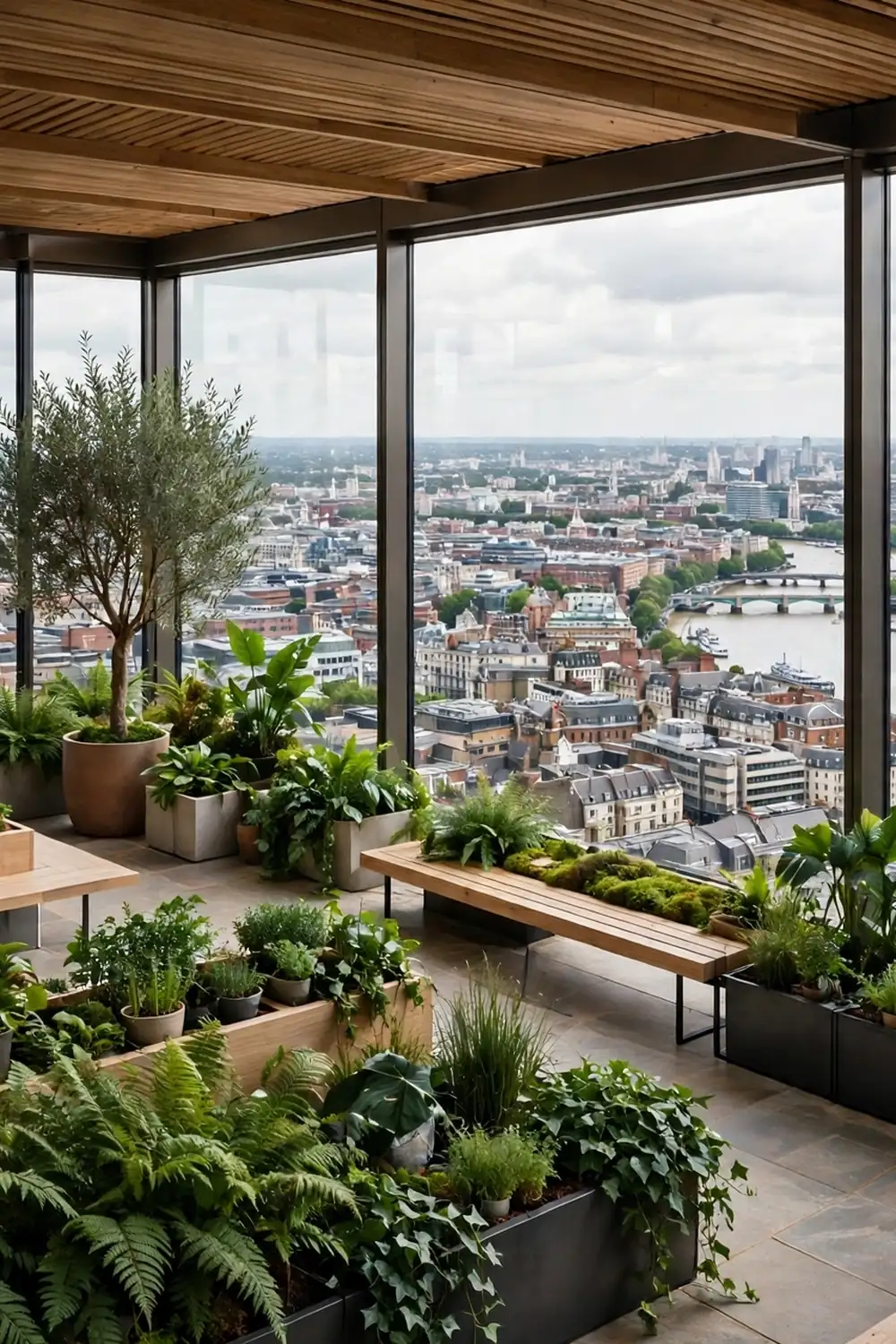
Seeing London from above changes how the city makes sense: the Thames bends into view, the parks appear as green islands, and the old and new skylines sit side by side. The Shard, the tallest building in the city, offers a high viewing platform with sweeping panoramas, and it pairs well with a drink or a meal for a special occasion. If you would rather keep the cost down, London has several free viewpoints, and our guide to the best free views of London compares them side by side. The Sky Garden, a landscaped garden inside a City skyscraper, is the best known of the free options: entry uses free timed tickets booked in advance, and its terraces look out over the Thames, Tower Bridge and the City. Our guide to inside the Sky Garden explains the layout, the gardens and the practical details. Whichever viewpoint you choose, clear mornings after rain often give the sharpest views, while sunset slots are the most sought after and go first.
Neighbourhoods with Character
The landmarks tell you what London is; the neighbourhoods tell you how it lives. These three are different from each other, and each rewards an unhurried wander.
7. Discover Shoreditch and Brick Lane
East London’s Shoreditch is known for street art, independent shops, creative studios and a lively evening scene. Brick Lane, at its heart, is a street of contrasts: vintage shops and record stores sit beside curry houses, bagel bakeries, coffee roasters and market stalls, and the walls around it carry large-scale murals that change regularly. Spend time looking up as well as in shop windows, and follow the side streets, where smaller galleries and quiet cafes hide. Weekends are busiest, when the markets are in full swing; weekdays offer a calmer version of the same streets.
8. Wander Notting Hill and Portobello Road
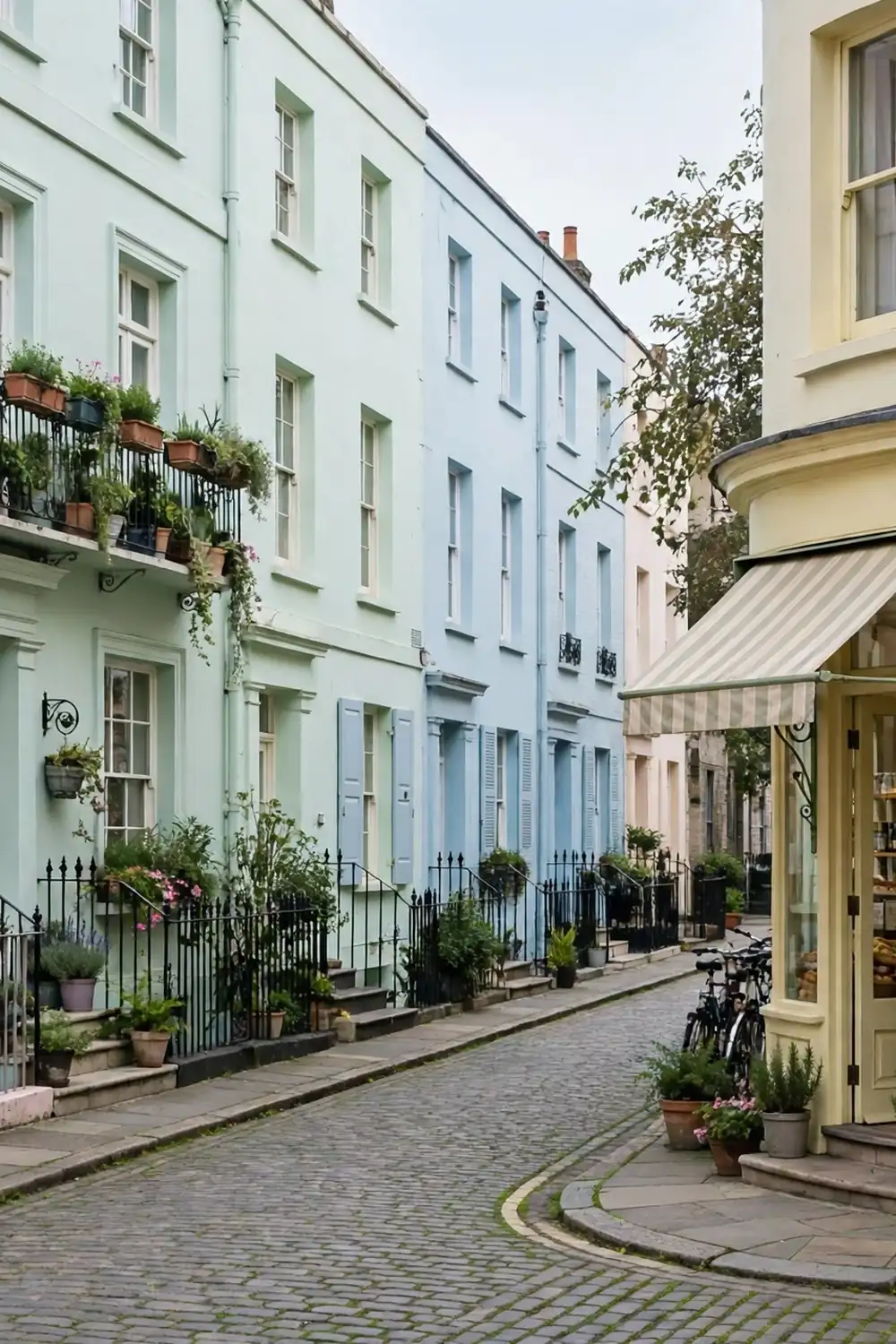
In west London, Notting Hill is famous for its rows of pastel-painted houses, its independent bookshops and its relaxed cafe culture. Portobello Road Market, which runs along the main street, is best known for antiques and vintage clothing, and it grows livelier towards the weekend, when more stalls open. Beyond the market, the surrounding streets are worth exploring on foot: small galleries, garden squares and quiet residential corners give a gentler picture of London life than the centre. Arrive in the morning for the calmest browsing, and leave time simply to sit with a coffee and watch the street.
9. Spend a Day in Greenwich
South-east of the centre, Greenwich feels like a small town with a grand past. Its star attraction is the Royal Observatory, home of the Prime Meridian, the line from which world time is measured, where you can stand with a foot in each hemisphere. The observatory also holds historic instruments, globes and clocks that tell the story of navigation at sea. Set on a hill in Greenwich Park, it offers fine views back towards the City and the river. A full day here can also take in the National Maritime Museum, the Cutty Sark sailing ship, the Queen’s House, the Old Royal Naval College and Greenwich Market. Arriving by river boat makes the journey part of the pleasure.
Water, Parks and Open Air
London is greener and more watery than many visitors expect. These three experiences show the city at its most peaceful.
10. Walk Along Regent’s Canal
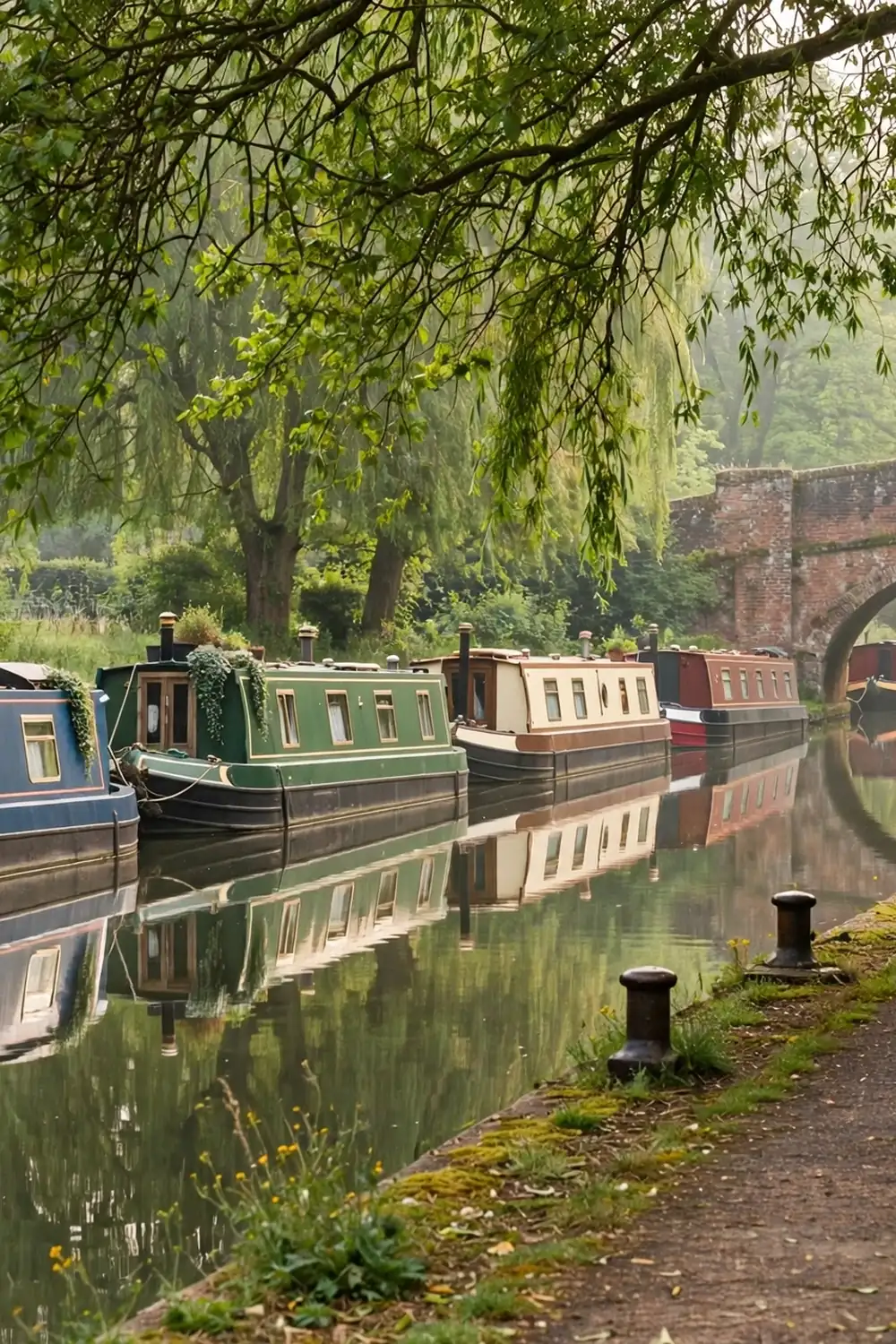
Regent’s Canal threads through north London, offering a slower, quieter route through the city. The towpath walk from Camden, with its lively market, towards Little Venice in Paddington passes houseboats, colourful street art, waterside cafes and stretches of birdsong that feel far from traffic. The full Camden to Little Venice section is roughly four kilometres one way and takes about an hour at a gentle pace, though most people stop along the way. You can also take a canal boat for part of the route. Wear comfortable shoes, and note that some stretches are narrow, so cyclists and walkers share the path.
11. Relax in the Royal Parks
London has eight Royal Parks, and together they form a green chain across the city. Hyde Park is the most central, with its Rose Garden, the Serpentine lake and wide open lawns, while neighbouring Kensington Gardens feels more formal, with long avenues and flower beds. St James’s Park and Green Park, near Buckingham Palace, are ideal for a picnic with a view of the palace and the lake’s pelicans. For a panorama, Primrose Hill, just above Regent’s Park, is a favourite at sunset, and Greenwich Park pairs greenery with the observatory views described above. Parks are free to enter, open daily, and at their best in late spring and early summer, when the planting is at its fullest.
12. Enjoy the River Thames
The Thames is London’s original highway, and a river trip is one of the most relaxing ways to see the sights in order. A boat journey between Westminster and Tower Bridge passes the London Eye, Shakespeare’s Globe, HMS Belfast, Tower Bridge and the Palace of Westminster, with commentary explaining what you are passing. For walkers, the South Bank riverside path between Westminster Bridge and Tower Bridge makes a flat, mostly level route of around five kilometres, taking about two hours with stops for photographs. Along the way you will pass the Hay’s Galleria shopping arcade, the Golden Hinde replica ship, riverside book stalls and plenty of places to eat. Evening cruises, when the bridges and buildings are lit, offer a different mood entirely.
Eating Your Way Round London
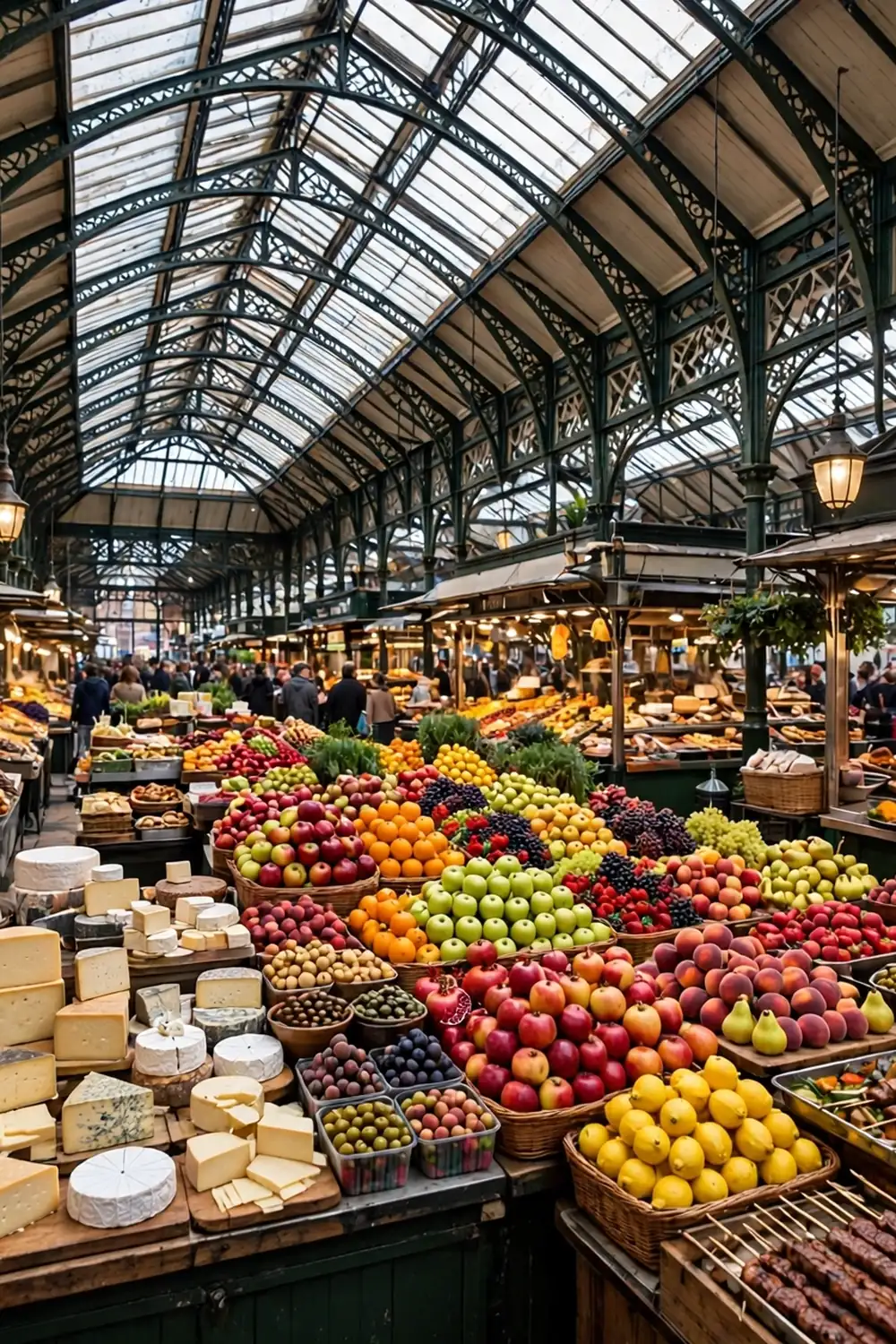
Food is one of London’s great strengths, thanks to its diversity. Two experiences capture it best: a sit-down taste of tradition, and the joyful chaos of the markets.
13. Taste London’s Food Scene
Start with the classics: afternoon tea, with finger sandwiches, scones and pastries, remains a beloved ritual, and a historic pub, with hearty dishes such as fish and chips and a proper pint, is an essential London evening. Beyond that, the city’s kitchens span the world. You can find Mexican tacos, Sri Lankan kottu, Indian curries, Middle Eastern mezze, East Asian noodles and much more, often within a few streets of each other. Soho, Brick Lane and Brixton are good areas for an evening of grazing, while neighbourhood restaurants across the city offer quieter, local favourites. If you have dietary requirements, most menus mark allergens clearly, and staff are generally happy to advise.
14. Explore the Food Markets
London’s markets are where the food scene becomes theatre. Borough Market, near London Bridge, is the most famous, with stalls selling artisan cheese, cured meats, fresh bread, seasonal produce and hot food from around the world; go early on weekdays to avoid the thickest crowds. Camden Market offers a sprawling mix of international street food alongside clothing and craft stalls, while Pop Brixton, a food hall built from shipping containers, brings together smaller traders and communal seating. Markets are ideal for lunch: arrive hungry, share dishes, and try something you would not normally order.
A Studio Day Out
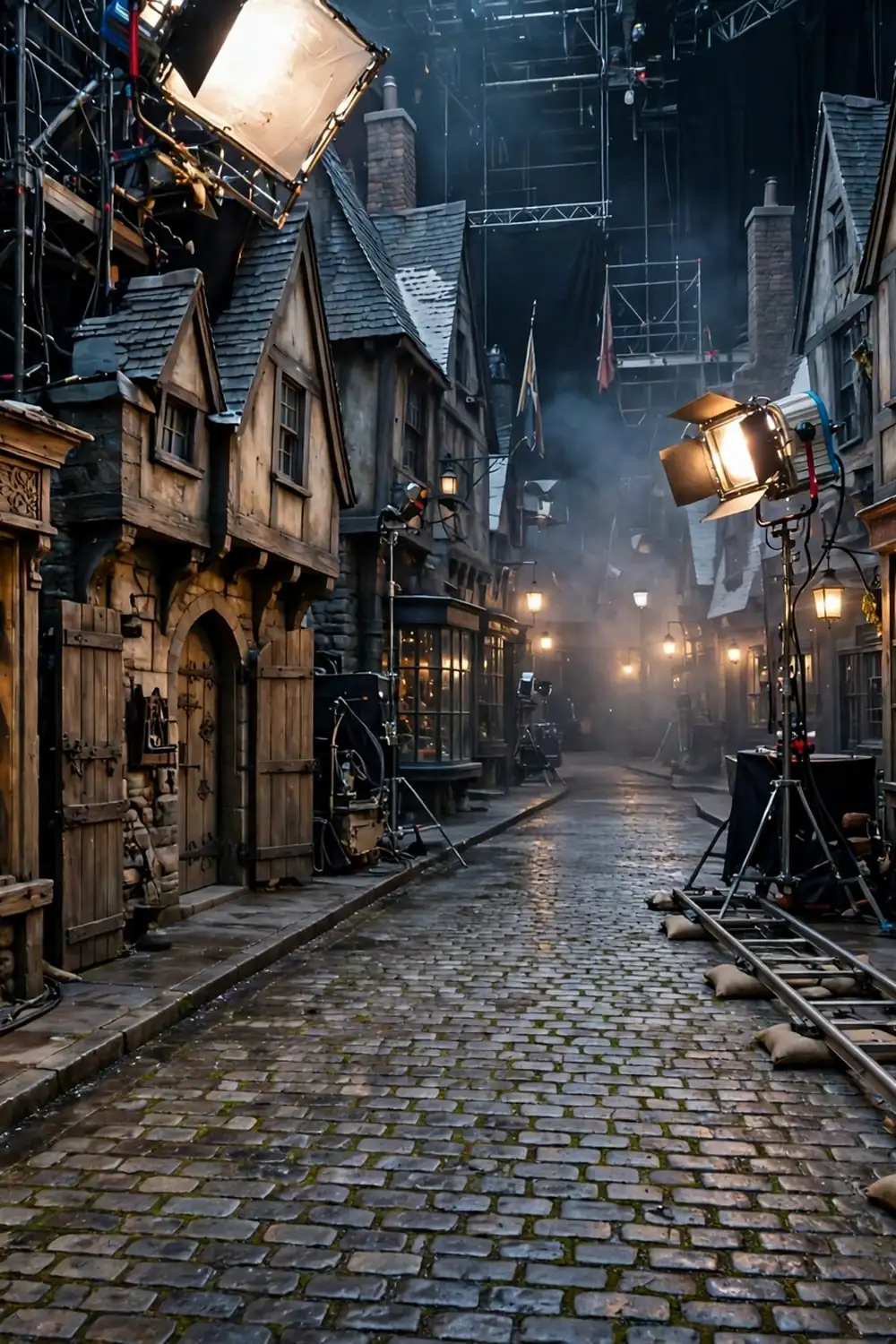
15. Tour the Warner Bros. Studios
Just outside London, the Warner Bros. Studio Tour takes visitors behind the scenes of the Harry Potter films. The tour moves through recreated sets including the Great Hall, Diagon Alley, the Forbidden Forest and the Hogwarts Express, alongside displays of original costumes, props and models, including a large-scale model of Hogwarts Castle. It is an interactive experience rather than a simple exhibition, with chances to learn how effects, sets and creatures were made. Tickets are timed and frequently sell out well in advance, especially in school holidays, so booking as early as possible is essential, and the official site carries current prices and availability. Allow at least three to four hours for the visit, plus travel time from central London.
Planning Your Visit
A little planning goes a long way in London. The Underground, known as the Tube, is the fastest way across the city, supported by buses and overground trains; contactless bank cards and travel cards both work on most services, and a journey-planning app helps with connections and closures. For accommodation, staying near a Tube station on more than one line saves time every day: well-connected areas include Paddington, with its links towards Heathrow, King’s Cross, with national and international rail connections, and Finsbury Park, which offers good value and two Tube lines. For a ready-made plan, our guide to spending three days in London as a first-time visitor shows how these sights can fit together across a short break. Above all, book the big sights in advance, keep one day loose for wandering, and remember that many museums cost nothing for their main collections.
Good to Know
- Book timed tickets in advance for the Tower of London, St Paul’s Cathedral, the Sky Garden and the Warner Bros. Studio Tour, and always confirm hours and prices on the official site before you go.
- Many major museums offer free entry to their permanent collections; special exhibitions usually charge separately.
- The Tube and buses accept contactless payment; a journey-planning app makes connections far easier.
- Stay near a Tube station served by more than one line to cut daily travel time.
- Keep one day unplanned: neighbourhoods such as Shoreditch, Notting Hill and Greenwich reward slow wandering.
- Wear comfortable shoes: canal towpaths, park walks and the riverside path all add up to several kilometres a day.
FAQ
How many days do you need for the best things to do in London?
Three full days cover the highlights in this guide at a comfortable pace: one day for Westminster, the West End and the river, one day for museums, viewpoints and neighbourhoods, and one day for Greenwich, parks and markets. With five days you can add the studio tour and slower neighbourhood wandering without rushing. Whatever the length of your trip, grouping sights by area saves far more time than hopping across the city.
What are the best free things to do in London?
Many of the finest experiences cost nothing: the permanent collections of the major museums, the Royal Parks, the Regent’s Canal towpath, the South Bank riverside walk and viewpoints such as the Sky Garden, which uses free timed tickets booked in advance. Markets are also free to wander, with money spent only on what you choose to eat or buy.
Is London expensive for first-time visitors?
London can be costly, especially for hotels and paid attractions, but it is easy to balance the budget. Free museums, parks, canal walks and viewpoints keep days full without spending, while markets offer filling lunches at modest prices. Booking attraction tickets in advance and staying near a well-connected Tube station both help to keep costs under control.
What is the best area to stay in London for a first visit?
For a first visit, choose somewhere near a Tube station on more than one line and within easy reach of the centre. Paddington suits airport connections, King’s Cross suits rail travel, and areas around the West End suit theatre and shopping. The exact neighbourhood matters less than the transport links: a quiet street ten minutes from a good station beats a central address with poor connections.
Do you need to book London attractions in advance?
For the most popular sights, yes. The Tower of London, St Paul’s Cathedral, the Sky Garden and the Warner Bros. Studio Tour all use timed entry and can sell out, particularly at weekends and in school holidays. Museums with free permanent collections may still ask you to reserve a timed slot, so confirm the arrangement on each attraction’s official site before you travel.
What is the best time of year to visit London?
Late spring and early summer offer the best balance: long daylight, parks in full bloom and generally mild weather, though rain is possible at any time of year. Autumn brings quieter streets and colourful parks, winter offers festive lights and markets, and summer brings the warmest weather alongside the largest crowds. Pack a light waterproof layer whatever the season.